
How Do You Reset The Tire Pressure Sensor
Maintaining the correct tire pressure is crucial for your vehicle's safety, fuel efficiency, and tire longevity. Modern vehicles are equipped with a Tire Pressure Monitoring System (TPMS) that alerts you when your tire pressure is low. However, sometimes the TPMS light stays on even after you've inflated your tires to the recommended pressure. This means you might need to reset the tire pressure sensor. This comprehensive guide will walk you through the process of how to reset your TPMS and get your vehicle back on the road safely.
Understanding Your TPMS
Before diving into the reset procedures, it's important to understand what the TPMS is and how it works. The TPMS is an electronic system that monitors the air pressure inside your tires. It typically consists of pressure sensors mounted inside each tire and a central control unit that receives and interprets the sensor data. When the tire pressure drops below a certain threshold (usually 25% below the recommended pressure), the TPMS light illuminates on your dashboard.
There are two main types of TPMS: direct and indirect. Direct TPMS uses pressure sensors inside each tire to directly measure the pressure. Indirect TPMS, on the other hand, uses the vehicle's Anti-lock Braking System (ABS) wheel speed sensors to detect changes in tire diameter, which can indicate low pressure. Knowing which type of TPMS your vehicle has can help you troubleshoot issues more effectively.
Why Reset the Tire Pressure Sensor?
There are several reasons why you might need to reset your tire pressure sensor:
- Tire Inflation: After inflating your tires to the correct pressure, the TPMS light might remain on.
- Tire Rotation: Rotating your tires can sometimes confuse the system, especially with direct TPMS.
- Tire Replacement: When you replace your tires, the sensors may need to be relearned or reset.
- Temperature Changes: Significant temperature fluctuations can affect tire pressure, triggering the TPMS light.
- Sensor Malfunction: Although less common, a faulty sensor can trigger the light and require a reset or replacement.
Methods to Reset the Tire Pressure Sensor
Here are several methods you can try to reset your tire pressure sensor. Start with the simplest method and proceed to more complex ones if necessary.
1. The Inflation Method (Most Common)
This is the most common and often the easiest method to reset the TPMS. It works best after you've inflated your tires to the recommended pressure, which can be found on a sticker inside your driver's side doorjamb or in your vehicle's owner's manual.
- Inflate All Tires: Ensure all tires are inflated to the recommended pressure (as indicated on the tire placard). Use a reliable tire pressure gauge for accuracy.
- Drive the Vehicle: Drive your vehicle for about 10-20 minutes at speeds above 30 mph. This allows the TPMS to recalibrate and recognize the correct tire pressures.
- Check the Light: The TPMS light should turn off after driving for a while. If it doesn't, proceed to the next method.
2. The Deflate and Inflate Method
This method involves slightly deflating and then re-inflating your tires to trigger the TPMS reset process. Always check your owner's manual prior to attempting this method, as it could cause issues if done incorrectly.
- Deflate the Tires: Deflate each tire completely.
- Re-inflate the Tires: Re-inflate each tire to the recommended pressure.
- Drive the Vehicle: Drive your vehicle for at least 10 minutes at speeds above 30 mph to allow the TPMS to recalibrate.
- Check the Light: See if the TPMS light has turned off.
3. The TPMS Reset Button (If Equipped)
Some vehicles have a dedicated TPMS reset button. This button is typically located in the glove compartment, under the steering wheel, or in the center console. Refer to your owner's manual to locate the reset button if your vehicle has one.
- Locate the Reset Button: Find the TPMS reset button in your vehicle.
- Turn the Ignition On: Turn the ignition key to the "On" position, but do not start the engine.
- Press and Hold the Button: Press and hold the TPMS reset button until the TPMS light blinks a few times.
- Start the Engine: Start the engine and drive the vehicle for about 10 minutes to allow the system to relearn the tire pressures.
- Check the Light: Verify that the TPMS light has turned off.
4. The Battery Disconnect Method
Disconnecting the vehicle's battery can sometimes reset the TPMS, but this method should be used as a last resort, as it can also reset other electronic systems in your vehicle.
- Disconnect the Battery: Disconnect the negative terminal of the vehicle's battery.
- Wait: Wait for about 10-15 minutes.
- Reconnect the Battery: Reconnect the negative terminal of the battery securely.
- Drive the Vehicle: Drive the vehicle for about 10-20 minutes to allow the TPMS to recalibrate.
- Check the Light: Check if the TPMS light has turned off.
5. Using a TPMS Reset Tool
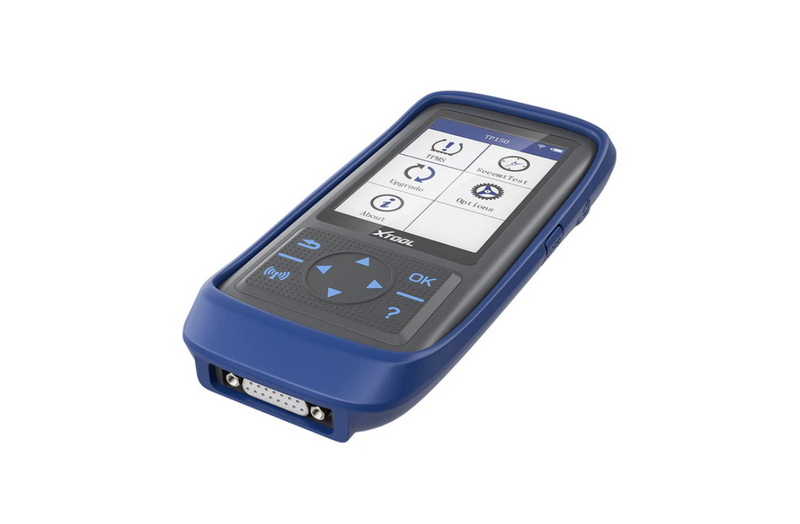
If none of the above methods work, you may need to use a TPMS reset tool. These tools are available for purchase online or at automotive parts stores. They are specifically designed to communicate with the TPMS sensors and reset the system.
- Purchase a Reset Tool: Buy a TPMS reset tool compatible with your vehicle's make and model.
- Follow the Instructions: Follow the tool's instructions carefully. Typically, you'll need to activate each sensor using the tool, starting with the driver's side front tire and moving clockwise around the vehicle.
- Relearn Procedure: After activating all the sensors, the tool may guide you through a relearn procedure.
- Check the Light: Verify that the TPMS light has turned off.
Troubleshooting TPMS Issues
If the TPMS light persists even after trying these reset methods, there might be other underlying issues:
- Faulty Sensor: One or more of the TPMS sensors might be malfunctioning and need replacement.
- Dead Sensor Battery: The sensor batteries can die, especially in older vehicles.
- Damaged Sensor: A sensor might be damaged due to impact or corrosion.
- Electrical Problems: There might be wiring issues or problems with the TPMS control unit.
In these cases, it's best to take your vehicle to a qualified mechanic or tire shop for diagnosis and repair. They have the tools and expertise to identify and fix TPMS issues.
Preventative Maintenance for Your TPMS
To minimize TPMS problems, consider these preventative maintenance tips:
- Regular Tire Pressure Checks: Check your tire pressure at least once a month and before long trips.
- Proper Tire Inflation: Maintain the correct tire pressure as recommended by the vehicle manufacturer.
- Professional Tire Rotations: Have your tires rotated regularly by a professional.
- Sensor Inspections: Ask your mechanic to inspect the TPMS sensors during routine maintenance.
- Avoid Harsh Chemicals: Avoid using harsh tire cleaners that could damage the sensors.
By following these tips, you can help ensure that your TPMS functions properly and keeps you safe on the road.
Important Reminder: Always consult your vehicle's owner's manual for specific instructions and recommendations regarding your TPMS. The information provided in this article is for general guidance only and may not apply to all vehicles.
Keeping your tires properly inflated and understanding your TPMS are essential for safe and efficient driving. By knowing how to reset the tire pressure sensor, you can address many common TPMS issues yourself. However, when in doubt, always seek professional assistance to ensure the safety and reliability of your vehicle.