
How Does The Heating System Work In A Car
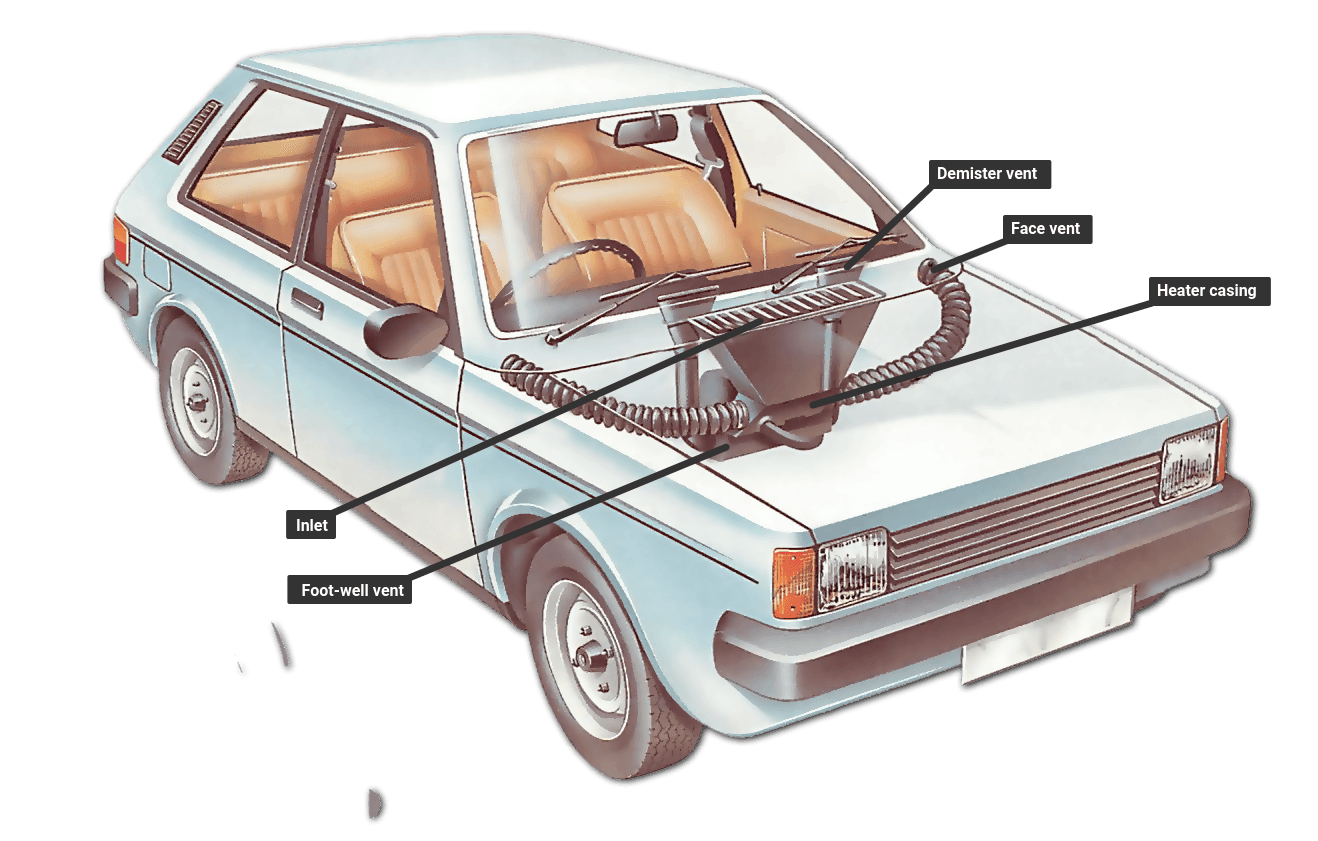
The comforting blast of warm air on a frigid morning is something most drivers take for granted. But behind that simple act of turning a dial lies a cleverly engineered system that harnesses the waste heat of your engine to keep you cozy. The car's heating system, while seemingly basic, relies on principles of thermodynamics and a network of interconnected components to function efficiently. Let's delve into the workings of this unsung hero of automotive comfort.
The Core Principle: Waste Heat Recovery
The key to understanding a car's heating system is recognizing that it's fundamentally a waste heat recovery system. Internal combustion engines are notoriously inefficient, converting only a fraction of the fuel's energy into actual propulsion. The rest is lost as heat, primarily through the exhaust and the engine block. Instead of simply venting this heat into the atmosphere, automotive engineers have ingeniously tapped into it to provide cabin heating.
Components of the Heating System
The system comprises several key components, working in concert:
- Engine Coolant: This is the lifeblood of the system. A mixture of water and antifreeze (typically ethylene glycol or propylene glycol), the coolant circulates through the engine block, absorbing heat.
- Water Pump: Driven by the engine, usually via a belt, the water pump ensures continuous circulation of the coolant throughout the system. A failing water pump is a common cause of heating system malfunction, often manifesting as overheating or inconsistent heat.
- Heater Core: This small radiator, usually located behind the dashboard, is where the magic happens. Hot coolant from the engine flows through the heater core's intricate network of fins and tubes.
- Blower Motor: A fan, powered by an electric motor, forces air across the hot heater core. This heated air is then directed into the cabin through the ventilation system.
- Blend Door/Temperature Control: This crucial component regulates the proportion of air flowing through the heater core versus bypassing it. By adjusting the temperature control knob, you're actually manipulating the blend door, allowing you to mix heated and unheated air to achieve your desired cabin temperature.
- Hoses and Connections: A network of hoses connects all the components, carrying the hot coolant to and from the engine. These hoses are subject to degradation over time due to heat and pressure, making them a common source of leaks.
The Heating Process: A Step-by-Step Explanation
Here's how the system operates:
- The engine produces heat during combustion.
- The coolant absorbs this heat as it circulates through the engine block.
- The water pump forces the hot coolant to the heater core.
- The blower motor pushes air across the hot heater core fins.
- The heated air is directed into the cabin through the vents.
- The blend door regulates the temperature by mixing heated and unheated air.
- The cooled coolant returns to the engine to repeat the cycle.
Troubleshooting Common Heating System Problems
Several issues can plague a car's heating system:
- No Heat: This could be due to a low coolant level (indicating a leak), a faulty thermostat (preventing the engine from reaching operating temperature), a clogged heater core, a failing water pump, or a malfunctioning blend door actuator.
- Weak Heat: Similar causes to "no heat," but often indicates a partially clogged heater core or a blend door not fully functioning.
- Overheating: While not directly related to the heating system, overheating can damage components and lead to heating issues. Ensure the cooling system is properly maintained.
- Coolant Leaks: Leaks can occur at the hoses, connections, water pump, or even the heater core itself. Coolant leaks require immediate attention to prevent engine damage. Check for a sweet smell inside the car, which is often a sign of a leaking heater core.
Maintenance and Prevention
Regular maintenance is crucial for a reliable heating system:
- Coolant Flushes: Periodic coolant flushes (typically every 2-3 years) prevent corrosion and buildup in the cooling system, ensuring optimal heat transfer. The cost for this service is relatively low, around $100 - $200, but it significantly extends the life of the system.
- Hose Inspection: Regularly inspect coolant hoses for cracks, swelling, or leaks. Replace worn hoses promptly.
- Thermostat Replacement: A faulty thermostat can affect both heating and cooling performance. Replace the thermostat as needed.
Understanding how your car's heating system works empowers you to diagnose problems, perform basic maintenance, and appreciate the engineering that keeps you comfortable on the road. By keeping an eye on coolant levels, performing regular flushes, and addressing any issues promptly, you can ensure a cozy ride for years to come.