
How Hard Is It To Fix A Blown Head Gasket
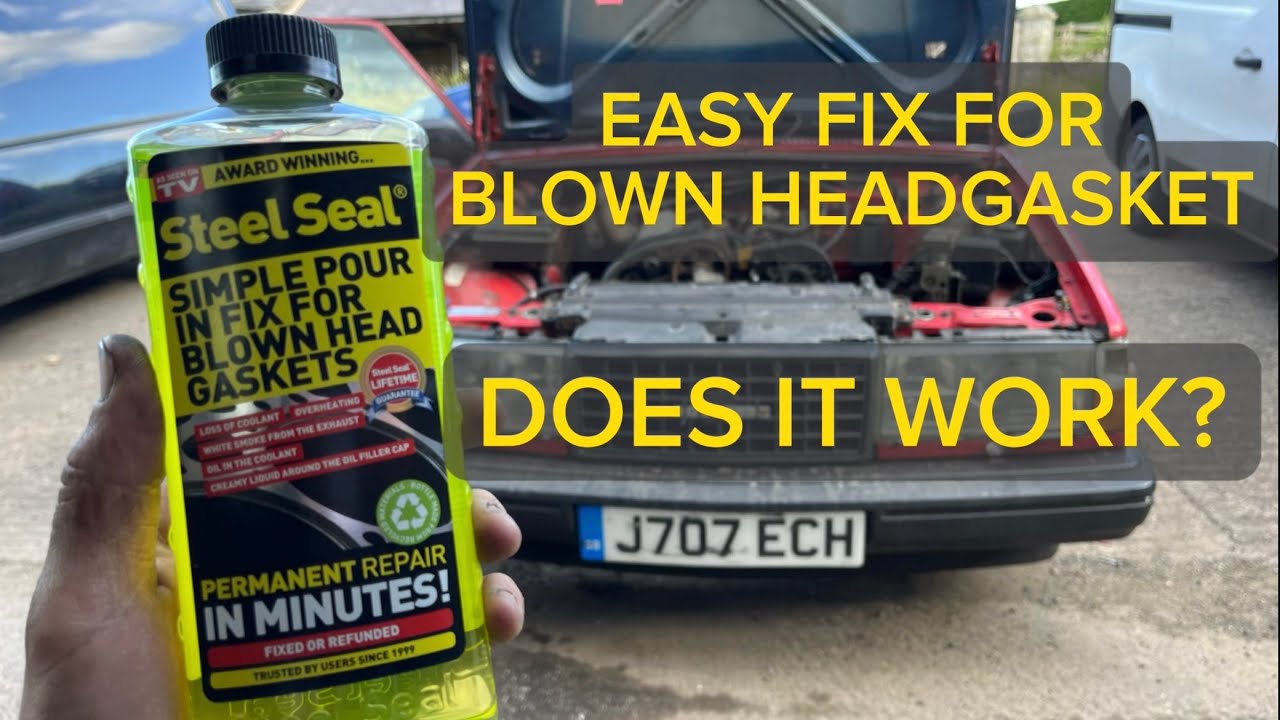
Alright, let's talk about head gaskets. They're one of those engine components that can strike fear into the heart of any car owner, DIYer, or even seasoned mechanic. A blown head gasket can range from a minor inconvenience to a complete engine killer, and the difficulty of fixing one depends heavily on several factors. So, how hard is it, really? Let's break it down with a realistic and technically informed perspective.
Understanding the Head Gasket's Role
First, we need to understand what a head gasket does. It's not just a simple seal. The head gasket sits between the engine block and the cylinder head(s). Think of it as a crucial intermediary. Its primary functions are threefold:
- Sealing Combustion Chambers: This is paramount. The head gasket prevents the high-pressure, high-temperature gases created during combustion from escaping the cylinders. A leak here results in lost power and potential engine damage.
- Sealing Coolant Passages: The engine block and head have coolant passages running through them to regulate temperature. The head gasket seals these passages to prevent coolant from leaking into the cylinders or oil passages.
- Sealing Oil Passages: Similar to coolant, the head gasket seals oil passages between the block and head, ensuring proper lubrication and preventing oil contamination.
When a head gasket "blows," it means this seal is compromised. This can happen in various ways, which significantly impacts the repair's complexity.
Symptoms and Diagnosis: The First Hurdle
Accurate diagnosis is crucial. You need to be absolutely sure it's the head gasket and not something else mimicking its symptoms. Common symptoms include:
- Overheating: A classic sign, often caused by combustion gases leaking into the cooling system.
- White Smoke from Exhaust: This usually indicates coolant burning in the combustion chamber. It often smells sweet.
- Bubbling in the Radiator or Overflow Tank: Combustion gases entering the coolant system create bubbles.
- Milky Oil: Coolant mixing with oil creates a milky, often tan-colored substance. Check the dipstick and oil filler cap. This is a serious problem.
- Loss of Power: Due to compression loss.
- Coolant Loss Without Visible Leaks: The coolant is leaking into the cylinders and being burned.
- External Coolant or Oil Leaks: Leaks near the head gasket itself.
However, these symptoms can also indicate other issues. A cracked cylinder head, a warped engine block, or even a faulty water pump can present similar problems. Compression tests and leak-down tests are vital diagnostic tools. A compression test measures the pressure in each cylinder, identifying cylinders with low compression (indicating a leak). A leak-down test pressurizes each cylinder with air and measures how quickly the pressure drops, helping pinpoint the source of the leak (valves, piston rings, or head gasket).
Don't skip the diagnostic stage! You don't want to tear down an engine unnecessarily.
The Repair: Assessing the Difficulty
Okay, you've confirmed it's the head gasket. Now comes the real work. The difficulty of the repair boils down to these factors:
1. Engine Complexity
This is a big one. A simple inline-four engine (like in many older Hondas or Toyotas) is generally much easier to work on than a V6 or V8. V-engines have two cylinder heads, effectively doubling the work. Furthermore, some engines have incredibly complex layouts with numerous sensors, vacuum lines, and other components that need to be carefully disconnected and reconnected.
Older engines might have fewer sensors, but can also be more difficult due to rust, corrosion, and seized bolts.
2. Accessibility
Some engines are tucked deep into the engine bay, making access to the head bolts and other components a nightmare. Working in tight spaces increases the risk of mistakes and makes the entire process more time-consuming.
3. Necessary Tools
You'll need a good set of tools, including:
- Torque Wrench: Absolutely essential for properly tightening the head bolts. Overtightening or undertightening can lead to another blown head gasket.
- Sockets and Wrenches: A comprehensive set, including various sizes and depths.
- Breaker Bar: For loosening stubborn bolts.
- Piston Stop Tool (optional): For removing crankshaft pulley bolts on some engines.
- Timing Tools (critical): Essential for engines with timing belts to ensure proper timing after reassembly. Incorrect timing can destroy an engine.
- Head Bolt Socket: Head bolts often require specialized sockets (e.g., triple-square or Torx).
- Feeler Gauges: For measuring valve clearances after reassembly.
- Clean Workspace: A clean and organized workspace is crucial to prevent contamination and keep track of parts.
Beyond the basic tools, you may need specialized tools for specific engines. Rental tools from auto parts stores can help minimize costs, but ensuring you have everything you need before starting is essential.
4. Required Skills and Experience
Replacing a head gasket is not a beginner's job. You should be comfortable with basic engine mechanics, including:
- Disassembling and reassembling engine components: Knowing how things fit together is crucial.
- Understanding torque specifications: Proper torque is critical for engine longevity.
- Using a torque wrench correctly: It's not as simple as just tightening until it clicks.
- Reading and understanding repair manuals: These provide critical information on procedures and specifications.
- Basic electrical knowledge: Disconnecting and reconnecting sensors correctly.
- Patience and attention to detail: Rushing the job is a recipe for disaster.
If you've never tackled a major engine repair before, a head gasket replacement might be too ambitious for your first project. Consider starting with simpler tasks to gain experience.
5. Machining Requirements
This is where things can get expensive and complex. After removing the head, it must be inspected for warping. A machine shop can check the head's flatness and resurface it if necessary. Similarly, the engine block should also be checked for flatness. Warping can occur due to overheating, and simply slapping a new head gasket on a warped surface will likely lead to another failure.
Furthermore, the machine shop can also perform valve grinding and other head work to ensure optimal performance.
6. Parts Availability and Cost
Head gaskets themselves aren't terribly expensive, but you'll also need to replace other parts, such as:
- Head Bolts: Most head bolts are torque-to-yield (TTY) and must be replaced every time they're removed.
- Valve Cover Gasket: A good idea to replace while you're in there.
- Intake and Exhaust Manifold Gaskets: Another good practice.
- Thermostat: A relatively inexpensive part that's easy to replace during the process.
- Coolant and Oil: Necessary for refilling after the repair.
- Timing Belt/Chain Components: If the engine has a timing belt, consider replacing it and the tensioner/idler pulleys while the engine is apart.
The cost of these parts can add up quickly, especially if you opt for high-quality components. Availability can also be an issue for older or less common engines.
Conclusion: Is It Worth It?
So, how hard is it to fix a blown head gasket? The answer is: it depends. On a simple engine with good access and readily available parts, an experienced DIYer with the right tools can tackle the job. However, on a complex engine with limited access or requiring significant machining, it might be better left to a professional. Before you start, carefully assess your skills, resources, and the specific challenges of your engine. A well-researched and carefully executed head gasket replacement can save you a lot of money, but a poorly executed one can lead to even more problems and expenses. Consider all these factors before deciding whether to tackle this challenging repair.
Ultimately, weigh the cost of the repair (parts, machining, and your time) against the cost of replacing the engine or buying a new car. Sometimes, the latter options might be more cost-effective in the long run.