
How Long Can A Slipping Transmission Last
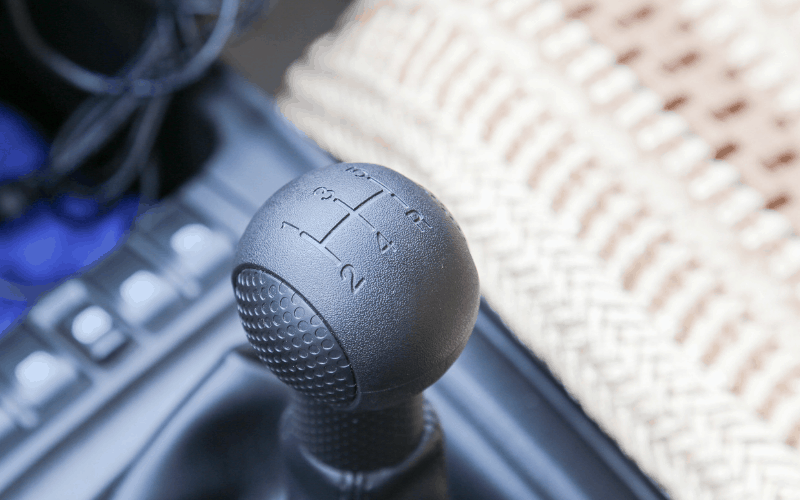
A slipping transmission is a problem that no car owner wants to experience. It signals that something is seriously wrong, potentially leading to costly repairs or even a complete transmission failure. The big question is: how long can a slipping transmission last? Unfortunately, there's no definitive answer, as it depends on several factors. This article will guide you through understanding the issue, troubleshooting potential causes, and exploring possible solutions to help you extend the life of your transmission, or at least get it repaired before catastrophic damage occurs.
Understanding Transmission Slipping: Symptoms and Causes
First, let's define what we mean by "slipping." Transmission slipping occurs when the engine RPM increases without a corresponding increase in vehicle speed. It feels like the engine is revving up, but the car isn't accelerating properly. This can manifest in several ways:
- Delayed or hesitant acceleration: You press the gas pedal, but the car takes a moment to respond.
- High RPMs between gears: The engine revs excessively between gear shifts.
- Jerky or erratic shifting: The transmission shifts roughly or unpredictably.
- Complete loss of power: In severe cases, the transmission may disengage entirely, leaving you with no drive power.
- Unusual noises: You might hear whining, clunking, or grinding sounds coming from the transmission area.
So, what causes this slippage? Several factors can contribute, including:
- Low or Contaminated Transmission Fluid: This is the most common culprit. Low fluid levels reduce hydraulic pressure, preventing the clutches from engaging properly. Contaminated fluid (old, burnt, or containing debris) loses its lubricating properties and can damage internal components.
- Worn Clutch Packs: Inside the transmission, clutch packs engage and disengage to change gears. Over time, these clutches wear down, losing their ability to grip and causing slippage.
- Faulty Solenoids: Solenoids control the flow of transmission fluid to different parts of the transmission. If a solenoid malfunctions, it can disrupt the hydraulic pressure and lead to shifting problems.
- Damaged Valve Body: The valve body is the control center of the transmission, directing fluid to the appropriate clutches. A damaged valve body can cause erratic shifting and slippage.
- Torque Converter Issues: The torque converter transfers power from the engine to the transmission. If it fails, it can cause slippage and a loss of power.
- Electronic Control Module (ECM) Problems: In modern vehicles, the ECM controls the transmission's shifting behavior. Sensor failures or wiring issues can cause incorrect signals to be sent to the transmission, resulting in slipping.
How Long Can a Slipping Transmission Last? The Grim Reality
As mentioned earlier, there's no precise answer. However, the longer you drive with a slipping transmission, the worse the problem will become. Think of it like a slowly leaking tire. You might be able to drive on it for a while, but eventually, it will go completely flat. Here's a general idea, keeping in mind that these are *estimates*:
- Short-Term (Days to Weeks): If the slipping is very minor and caused by slightly low fluid, you *might* get away with driving for a few days or weeks after noticing it. However, this is risky and can quickly worsen the situation.
- Medium-Term (Weeks to Months): If the slipping is more pronounced, and you continue to drive on it, you're likely looking at weeks to months before a complete failure. Each drive puts additional stress on the internal components, accelerating wear and tear.
- Long-Term (Months+): This is highly unlikely. Continuing to drive with a significantly slipping transmission for months will almost certainly result in catastrophic damage, requiring a complete transmission replacement.
Driving habits also play a significant role. Aggressive driving (hard acceleration, frequent stop-and-go traffic) will accelerate the wear and tear on the transmission, shortening its lifespan considerably. Conversely, gentle driving might buy you a little more time, but it's still not a long-term solution.
Troubleshooting and Potential Solutions
Here's a problem-solution approach to addressing a slipping transmission:
- Problem: Minor Slipping, Especially When Cold. Solution: Check the transmission fluid level immediately. Use the correct type of fluid specified in your owner's manual. Add fluid if necessary. This is particularly common in models like the Toyota Camry or Honda Accord, where fluid leaks can occur over time.
- Problem: Rough Shifting and Slipping After Driving for a While. Solution: This could indicate contaminated transmission fluid. A transmission fluid flush and filter change might resolve the issue. This is a common preventative maintenance procedure for vehicles like the Ford F-150 or Chevrolet Silverado, known for their heavy-duty usage. Make sure to use the correct fluid type!
- Problem: Slipping in Specific Gears (e.g., 3rd or 4th). Solution: This could indicate a problem with a specific solenoid or clutch pack related to that gear. This likely requires a professional diagnosis and repair. Some BMW models are known for having solenoid issues that cause slipping in certain gears.
- Problem: Severe Slipping or Complete Loss of Power. Solution: Stop driving immediately. Continuing to drive will only cause more damage. You'll likely need to have the vehicle towed to a qualified mechanic for a transmission rebuild or replacement. Older Nissan Altimas are notorious for complete transmission failure due to internal wear and tear.
- Problem: Check Engine Light is On, Accompanied by Slipping. Solution: Have the vehicle scanned for diagnostic trouble codes (DTCs). These codes can provide valuable information about the source of the problem. An OBD-II scanner is essential for diagnosing modern vehicles, regardless of make or model.
Preventative Maintenance: Keeping Your Transmission Healthy
The best way to avoid transmission slipping is to practice preventative maintenance. Here are some key tips:
- Regular Transmission Fluid Changes: Follow the manufacturer's recommended service intervals for transmission fluid changes. This is *crucial* for maintaining optimal performance and preventing wear.
- Use the Correct Transmission Fluid: Always use the type of fluid specified in your owner's manual. Using the wrong fluid can damage the transmission.
- Avoid Aggressive Driving: Harsh acceleration and hard braking put extra strain on the transmission. Drive smoothly and avoid unnecessary wear and tear.
- Address Leaks Promptly: If you notice any transmission fluid leaks, have them repaired immediately. Low fluid levels can quickly lead to slipping and other problems.
- Listen for Unusual Noises: Pay attention to any unusual noises coming from the transmission area. These could be early warning signs of a problem.
- Get Regular Inspections: Have your transmission inspected by a qualified mechanic during routine maintenance. They can identify potential problems before they become serious.
In conclusion, a slipping transmission is a serious issue that should be addressed promptly. While you *might* be able to drive for a short period, the longer you wait, the worse the problem will become. By understanding the symptoms, causes, and solutions, and by practicing preventative maintenance, you can significantly extend the life of your transmission and avoid costly repairs.