
How Long Can I Drive With Grinding Brakes
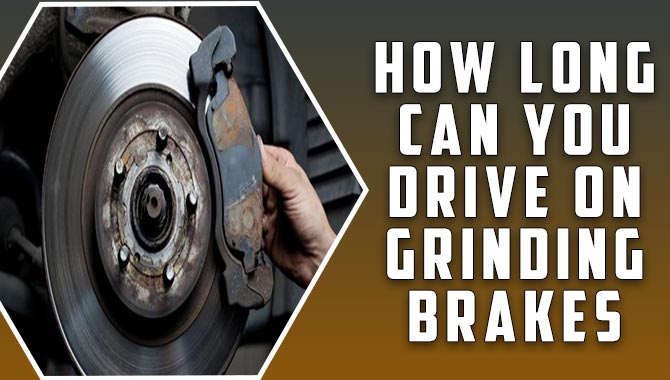
Hearing a grinding noise when you hit the brakes is never a good sign. It’s a sound that can instill panic and raise questions about safety. One of the most pressing questions drivers have when they hear that dreaded grind is: How long can I drive with grinding brakes? The short answer is: As little as possible. Continuing to drive with grinding brakes can be dangerous and lead to more costly repairs down the road. Let's delve deeper into why and what to do about it.
Understanding the Causes of Grinding Brakes
To fully understand the urgency of addressing grinding brakes, it's essential to know the underlying causes. Grinding sounds typically indicate that something is amiss within your brake system. Here are a few common culprits:
Worn Brake Pads
This is the most frequent reason for grinding brakes. Brake pads are designed to wear down over time as they create friction to slow your vehicle. Most brake pads have a metal wear indicator embedded in them. When the pads wear thin enough, this indicator rubs against the rotor, creating a squealing sound – a warning sign that your pads need replacement. If ignored, the pads will wear down completely, and the metal backing plate will then grind directly against the rotor. This produces a much harsher, more noticeable grinding sound.
Damaged Brake Rotors
Brake rotors are the shiny metal discs that the brake pads clamp onto. When brake pads are severely worn and the metal backing plate comes into contact with the rotor, it can cause scoring and grooves on the rotor surface. These imperfections can lead to a grinding noise, even after new brake pads are installed. In severe cases, the rotors may need to be resurfaced or replaced entirely.
Foreign Objects
Sometimes, debris like small rocks, pebbles, or road salt can become lodged between the brake pad and rotor. This can cause a temporary grinding noise until the object is dislodged. This is usually accompanied by a distinct scraping or clicking. While sometimes this will resolve on its own, it's advisable to get it checked, because the object could be damaging the braking surface.
Calipers
Brake calipers house the brake pads and use pistons to press them against the rotors. If a caliper malfunctions, such as a seized piston, it can cause uneven wear on the brake pads or constant pressure on the rotor. This can lead to overheating, grinding, and even pulling to one side when braking.
The Dangers of Driving with Grinding Brakes
Ignoring grinding brakes is not just a matter of neglecting vehicle maintenance; it’s a safety hazard. Here’s why:
Reduced Braking Power
Worn brake pads or damaged rotors significantly reduce your vehicle's ability to stop quickly and safely. The grinding indicates that the friction surface is compromised, meaning you need more distance to come to a complete stop. In emergency situations, this could be the difference between avoiding an accident and a collision.
Rotor Damage and Replacement
Driving with worn-out brake pads that are grinding against the rotors will cause significant damage to the rotors. What might have been a simple brake pad replacement can quickly turn into a much more expensive rotor replacement as well. Delaying repairs only compounds the problem and increases the overall cost.
Complete Brake Failure
In extreme cases, continued driving with grinding brakes can lead to complete brake failure. Overheating, worn components, and compromised hydraulic systems can all contribute to a catastrophic loss of braking ability. This is especially dangerous at high speeds or in heavy traffic.
Compromised Vehicle Safety Systems
Modern vehicles rely on a number of integrated safety systems, such as ABS (Anti-lock Braking System) and electronic stability control. A compromised brake system can negatively impact the effectiveness of these systems, rendering them less reliable in critical situations.
How Far Can You Realistically Drive?
While it's strongly advised against driving with grinding brakes at all, the question of "how far" often arises. There is no definitive answer. The distance you can safely drive depends on the severity of the problem, driving conditions, and your own judgment. However, consider these factors:
- Severity of the Grinding: A light squeal may be a minor issue, while a loud, harsh grinding noise indicates a more serious problem.
- Driving Conditions: Stop-and-go traffic puts more stress on brakes than highway driving. Inclement weather, such as rain or snow, further reduces braking effectiveness.
- Your Driving Habits: Aggressive braking habits will exacerbate the problem.
It is best to avoid driving any further than necessary. If you absolutely must drive, do so cautiously and at reduced speeds. Maintain a greater following distance and be prepared to brake earlier than usual. Plan your route to minimize stops and avoid heavy traffic areas. The goal is to get your vehicle to a qualified mechanic as soon as possible.
What to Do When You Hear Grinding Brakes
Here’s a step-by-step guide on what to do if you hear a grinding noise coming from your brakes:
- Stay Calm: Panic can lead to poor decisions. Maintain control of your vehicle and avoid sudden movements.
- Assess the Situation: Pay attention to the intensity and frequency of the grinding. Does it happen every time you brake, or only under certain conditions? Is the noise getting worse?
- Test Your Brakes: Gently apply the brakes in a safe and controlled environment (e.g., an empty parking lot) to gauge their responsiveness. Be aware of any pulling to one side or unusual vibrations.
- Schedule an Inspection: Contact a trusted mechanic or repair shop immediately. Explain the situation and schedule a brake inspection.
- Consider Towing: If the grinding is severe, or if you experience a noticeable decrease in braking power, consider having your vehicle towed to the repair shop. This is the safest option to avoid further damage or potential accidents.
Preventative Maintenance is Key
The best way to avoid the hassle and danger of grinding brakes is to adhere to a regular maintenance schedule. Here are some preventative measures you can take:
- Regular Brake Inspections: Have your brakes inspected by a qualified mechanic at least once a year, or as recommended in your vehicle's owner's manual.
- Replace Brake Pads Promptly: Don't wait until you hear grinding noises to replace your brake pads. Replace them when they reach the recommended minimum thickness.
- Use Quality Brake Components: When replacing brake pads or rotors, opt for high-quality parts that meet or exceed OEM (Original Equipment Manufacturer) specifications.
- Proper Lubrication: Ensure that brake components, such as caliper slides and pivot points, are properly lubricated to prevent seizing and uneven wear.
The Cost of Delaying Brake Repairs
While it might be tempting to postpone brake repairs to save money, the long-term costs of delaying maintenance can be significantly higher. Consider these potential expenses:
- Rotor Replacement: As mentioned earlier, driving with worn brake pads can damage the rotors, requiring their replacement.
- Caliper Repair or Replacement: Neglecting brake issues can lead to caliper damage, requiring costly repairs or replacement.
- Hydraulic System Damage: Overheating and worn components can damage the brake lines and master cylinder, resulting in hydraulic system failures.
- Accident-Related Costs: The most significant cost of delaying brake repairs is the potential for an accident, which can result in vehicle damage, personal injuries, and increased insurance premiums.
In conclusion, while there's no magic number of miles you can drive with grinding brakes, the resounding answer is: Don't risk it! Address the issue immediately to ensure your safety and prevent more costly repairs. By understanding the causes of grinding brakes, recognizing the dangers of driving with compromised brakes, and adhering to a regular maintenance schedule, you can keep your brake system in top condition and enjoy a safer driving experience.
Safety should always be your top priority. A small investment in preventative brake maintenance can save you from potentially disastrous situations in the future.