
How Long Can You Drive On A Doughnut Tire
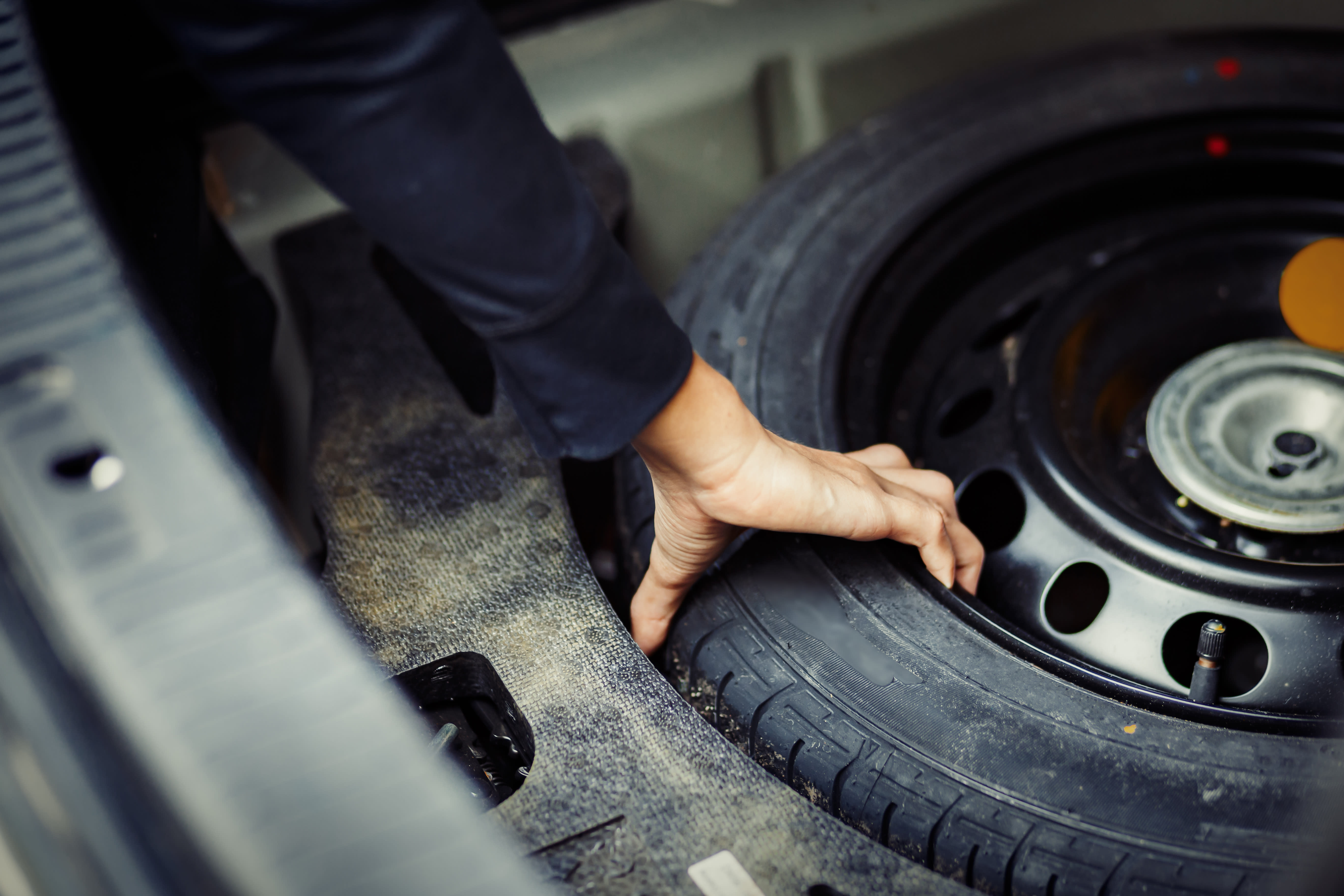
The "doughnut," also known as a space-saver spare tire or temporary spare tire, is a common feature in many modern vehicles. It's designed as a lighter, more compact alternative to a full-size spare, primarily to save space and weight, contributing to improved fuel efficiency. However, its limited capabilities often lead to questions about its safe usage. This article will provide a comprehensive overview of the limitations, best practices, and future of temporary spare tires for automotive professionals.
Technical Specifications and Engineering Choices
Doughnut tires typically have a shallower tread depth, a narrower width, and a smaller overall diameter than standard tires. These differences are by design. The reduced size and weight are achieved by using less rubber and a simpler construction. The typical speed rating for a doughnut tire is 50 mph (80 km/h), and the recommended distance is usually limited to 70 miles (112 kilometers). This is clearly marked on the tire's sidewall – a critical piece of information often overlooked.
Engineering choices regarding the compound used in the tire also differ significantly from regular tires. Space-saver spares often utilize a harder rubber compound to maximize longevity *within* their limited intended lifespan. This hardness, however, translates to reduced grip, especially in wet or icy conditions. The reduced contact patch and simpler tread pattern contribute to this reduction in traction.
The wheel itself is typically a lightweight steel construction, often lacking the aesthetic finish of the vehicle's standard wheels. This further contributes to weight reduction and cost savings.
Real-World Performance and Comparisons
The handling characteristics of a vehicle equipped with a doughnut tire are significantly compromised. The reduced contact patch and differing rolling diameter can affect braking performance, especially during emergency stops. The vehicle's stability control and anti-lock braking systems (ABS) may also be negatively impacted, potentially leading to unpredictable behavior. Driving in inclement weather with a doughnut tire is particularly risky and should be avoided if possible.
Compared to a full-size spare, the doughnut offers significant advantages in terms of space and weight. However, its performance limitations are considerable. A full-size spare offers comparable handling and braking performance to the vehicle's standard tires. A tire repair kit, another alternative, can address minor punctures, but it's ineffective for larger tears or sidewall damage. Run-flat tires offer the advantage of continuing to drive (albeit at reduced speeds) for a certain distance after a puncture, but they are more expensive and can affect ride comfort.
Pros and Cons
Pros of Doughnut Tires:
- Space-saving design
- Lightweight, improving fuel efficiency
- Lower cost than full-size spares
Cons of Doughnut Tires:
- Reduced handling and braking performance
- Limited speed and distance ratings
- Poor performance in adverse weather conditions
- Potential impact on stability control and ABS systems
Reliability Aspects and Maintenance Tips
The reliability of a doughnut tire depends heavily on proper inflation and adherence to the manufacturer's recommended speed and distance limits. *Regularly check the tire pressure* of the spare, even when not in use, as slow leaks can render it useless when needed most. The recommended inflation pressure is typically significantly higher than that of standard tires (often around 60 psi) and is crucial for maintaining its intended shape and load-carrying capacity.
Inspect the tire for any signs of damage, such as cuts, bulges, or dry rot. If the tire is visibly damaged, it should be replaced immediately. While technically possible to repair a doughnut tire, it is generally not recommended due to its already compromised design and the potential for compromising its structural integrity further. It's almost always better to replace with a new one. Ensure the spare tire is properly secured in its designated storage location to prevent damage from movement during vehicle operation.
Always torque the lug nuts to the vehicle manufacturer's specified torque when installing a doughnut tire. Over- or under-tightening can lead to wheel damage or failure.
Future Trends
The future of spare tires is uncertain. Automakers are increasingly opting for tire repair kits or run-flat tires to further reduce weight and complexity. Some manufacturers are even eliminating spare tires altogether, relying solely on roadside assistance programs. However, the demand for a reliable backup in areas with limited cell service or long distances between service stations may sustain the need for some form of spare tire.
Emerging technologies, such as self-healing tires, could potentially eliminate the need for spare tires altogether. These tires are designed to automatically seal punctures, preventing air loss and allowing the driver to continue driving without interruption. While still in their early stages of development, self-healing tires hold significant promise for the future of automotive safety and convenience.
Forward-Looking Note
The automotive industry is constantly evolving, driven by the pursuit of improved fuel efficiency, safety, and convenience. While the doughnut tire has served as a valuable stop-gap solution for decades, its limitations are becoming increasingly apparent. As technology advances, we can expect to see the emergence of more sophisticated and reliable alternatives that ultimately enhance the driving experience and ensure greater safety for all road users. *Automotive professionals need to stay informed about these evolving technologies* and be prepared to advise customers on the best solutions for their specific needs and driving conditions.