
How Long Can You Drive With A Bad Starter
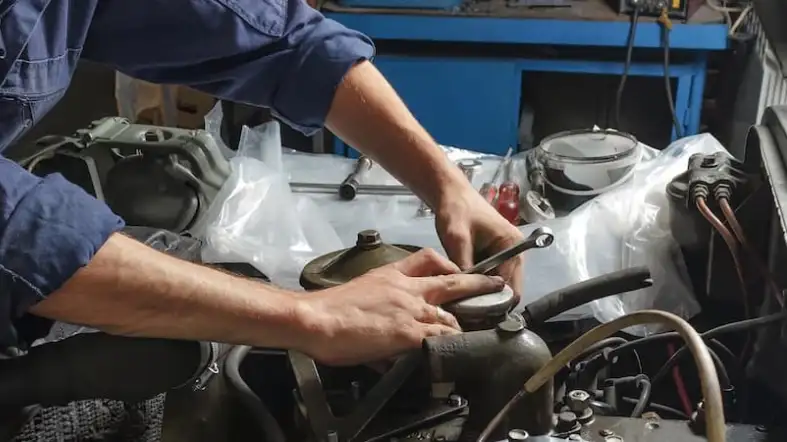
The automotive starter motor is a critical component in the internal combustion engine (ICE) vehicle, responsible for initiating the engine's combustion cycle. A failing starter presents a significant inconvenience, and understanding the implications of driving with a compromised unit is paramount for automotive professionals. This article delves into the technical aspects of starter motor failures, explores the potential consequences of prolonged use with a bad starter, compares alternative starting systems, provides maintenance recommendations, and discusses future trends.
Diagnosing Starter Motor Issues
Before discussing the longevity of a failing starter, accurate diagnosis is crucial. Common symptoms include:
- Clicking Sound: A rapid clicking noise when turning the ignition key often indicates a lack of sufficient current to the solenoid. This can stem from a weak battery, corroded connections, or a failing solenoid within the starter itself. Technically, this suggests the solenoid's coil is not generating enough magnetic field to fully engage the pinion gear with the flywheel.
- Grinding Noise: This typically points to damaged teeth on the pinion gear or the flywheel's ring gear. Continued attempts to start the engine can worsen this damage, leading to more extensive (and expensive) repairs. The clearance between the pinion and ring gear, ideally within a tight tolerance (e.g., 0.040-0.060 inches), is critical for proper engagement.
- Slow or No Cranking: A sluggish cranking speed, or a complete failure to crank, suggests a weak starter motor. This could be due to worn brushes, a faulty armature, or internal shorts. The resistance within the motor windings will increase with wear, reducing its ability to generate sufficient torque.
- Whirring Sound Without Engagement: This implies the starter motor is spinning, but the pinion gear is not engaging the flywheel. This can be caused by a faulty overrunning clutch (also known as a Bendix drive) which is designed to protect the starter motor from overspeeding once the engine starts.
The Risks of Driving With a Failing Starter
While it *may* be possible to start a vehicle intermittently with a failing starter for a short period, it is strongly discouraged. Here's why:
- Complete Failure: The most obvious risk is complete starter failure, leaving the vehicle stranded. This is especially problematic in inconvenient or dangerous locations.
- Damage to Flywheel: A grinding starter can progressively damage the flywheel's ring gear. Replacing a flywheel is a significantly more labor-intensive and expensive repair than replacing a starter. The hardness of the ring gear material is specifically chosen to withstand normal engagement forces, but repeated grinding can erode it.
- Battery Drain: Repeatedly attempting to start a vehicle with a failing starter can severely drain the battery. This can further exacerbate the problem, making it even harder to start the engine and potentially shortening the battery's lifespan. Excessive cranking heats the battery, increasing internal resistance and reducing its cranking amps.
- Electrical System Stress: A failing starter can draw excessive current, potentially overloading the electrical system and damaging other components, such as wiring or the solenoid. This is because the internal resistance of the faulty starter is lower, leading to a higher current draw.
In essence, driving with a failing starter is a game of chance. There's no definitive timeframe. It could fail completely on the next start attempt, or it could last a few more days. However, the potential for further damage and inconvenience outweighs any perceived benefit of delaying the repair.
Alternative Starting Systems: A Comparison
While traditional starter motors remain the dominant technology, alternative starting systems exist, primarily in hybrid and electric vehicles:
- Integrated Starter Generators (ISGs): Used in mild-hybrid systems, ISGs combine the functions of a starter motor and alternator. They offer smoother and faster starting, improved fuel efficiency (through start-stop functionality), and regenerative braking capabilities. Pros: Enhanced efficiency, smoother operation. Cons: More complex and expensive than traditional starters; failure affects both starting and charging systems.
- High-Voltage Electric Motor Starting: In full-hybrid and electric vehicles, the high-voltage traction motor is often used to start the engine (in hybrids) or propel the vehicle directly (in EVs). Pros: High torque, instant starting, inherent regenerative braking capabilities. Cons: Relies on a high-voltage battery pack; failure can be catastrophic and require specialized expertise.
These alternative systems generally offer improved reliability and performance compared to traditional starter motors, but their complexity and cost are significantly higher.
Reliability and Maintenance
The lifespan of a starter motor is influenced by factors such as driving habits, climate, and vehicle maintenance. Regularly inspecting the battery terminals and connections for corrosion is crucial. Ensure the battery is in good condition and provides adequate voltage. Avoid prolonged cranking; if the engine doesn't start within a few seconds, release the key and wait before trying again.
While starter motors are generally considered robust, preventative maintenance is limited. Replacing the starter proactively at high mileage (e.g., 150,000 miles or more) can prevent unexpected failures.
Future Trends
The automotive industry is rapidly transitioning towards electric vehicles, which eliminate the need for traditional starter motors entirely. Even in hybrid vehicles, integrated starter generators are becoming increasingly common, offering improved efficiency and reliability.
Furthermore, advancements in materials science and manufacturing processes are leading to lighter, more durable, and more efficient starter motors for ICE vehicles. Expect to see further integration of electronic control systems to optimize starter motor performance and diagnose potential issues proactively.
Conclusion
Driving with a failing starter is a risky proposition with potentially significant consequences. Prompt diagnosis and repair are essential to prevent further damage and avoid being stranded. As the automotive industry shifts towards electrification, traditional starter motors will gradually be phased out, replaced by more efficient and reliable integrated systems. Automotive professionals must stay abreast of these technological advancements to effectively diagnose, repair, and maintain vehicles of all types.