
How Long Can You Drive With Bad Alignment
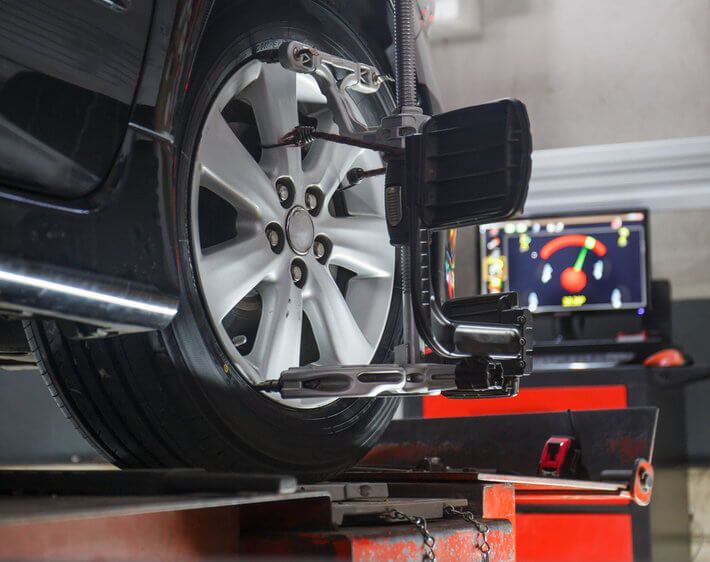
Misalignment in your vehicle's wheels is a common issue that can significantly impact your driving experience, safety, and the longevity of your tires and other components. Many drivers wonder, "How long can I drive with bad alignment?" While it might seem like a minor inconvenience, ignoring the signs of misalignment can lead to more serious and costly problems down the road. This article will explore the implications of driving with bad alignment, helping you understand the risks involved and when it's crucial to seek professional help.
Understanding Wheel Alignment
Before diving into the specifics, let's clarify what wheel alignment actually means. Wheel alignment refers to the angles of your vehicle's wheels in relation to each other and to the vehicle's body. When these angles are within the manufacturer's specified tolerances, your vehicle handles properly, and your tires wear evenly.
There are three primary alignment angles:
- Camber: The inward or outward tilt of the wheel when viewed from the front of the vehicle.
- Caster: The angle of the steering axis when viewed from the side of the vehicle. It affects steering stability and handling.
- Toe: The inward or outward direction of the wheels when viewed from above. Toe-in means the front of the wheels are closer together than the rear, while toe-out means the front of the wheels are farther apart.
Proper alignment ensures that all four wheels are working together harmoniously, providing optimal contact with the road surface. This results in improved handling, reduced tire wear, and enhanced fuel efficiency.
Signs of Bad Wheel Alignment
Recognizing the symptoms of misalignment is the first step in addressing the issue promptly. Here are some common indicators that your vehicle might need an alignment:
- Uneven Tire Wear: This is one of the most obvious signs. Check your tires for wear patterns. If one side of the tire is wearing down faster than the other, it's a strong indication of misalignment.
- Pulling to One Side: If your vehicle consistently drifts to the left or right while driving straight on a level road, it's likely due to a wheel alignment problem. This "pulling" sensation requires you to constantly correct the steering wheel to maintain a straight course.
- Steering Wheel Vibration: Vibrations in the steering wheel, especially at higher speeds, can be caused by misaligned wheels. However, vibrations can also stem from other issues such as unbalanced tires.
- Off-Center Steering Wheel: If your steering wheel is not centered when driving straight, it suggests that your wheels are not properly aligned.
- Squealing Tires: While cornering, if you notice your tires squealing more than usual, it could be a sign of improper alignment, especially if accompanied by other symptoms.
- Reduced Fuel Efficiency: Although not always immediately noticeable, misalignment can increase rolling resistance, leading to a decrease in your vehicle's fuel economy.
How Long Can You Drive With Bad Alignment?
There's no definitive answer to this question. The length of time you can safely drive with bad alignment depends on several factors, including the severity of the misalignment, your driving habits, the type of roads you typically drive on, and the condition of your tires. However, the general consensus is: the sooner you address the issue, the better.
Short-Term Risks (Days to Weeks):
- Accelerated Tire Wear: Even a slightly misaligned wheel can cause noticeable tire wear within a few weeks. This wear can quickly become severe, shortening the lifespan of your tires significantly.
- Reduced Handling and Stability: Misalignment can compromise your vehicle's handling, making it less responsive in emergency situations. This can increase the risk of accidents, especially in wet or icy conditions.
Long-Term Risks (Weeks to Months):
- Premature Suspension Wear: Bad alignment puts extra stress on suspension components like ball joints, tie rods, and shock absorbers. This can lead to premature wear and tear, requiring costly repairs.
- Increased Fuel Consumption: As mentioned earlier, misalignment increases rolling resistance, forcing your engine to work harder and consume more fuel. Over time, this can add up to a significant expense.
- Safety Hazards: Continued driving with bad alignment can eventually lead to tire failure, especially if the tires are already worn. A sudden tire blowout can be extremely dangerous, potentially causing a loss of control and a serious accident.
Driving with severely misaligned wheels is not recommended at all. If your vehicle is pulling strongly to one side or if you experience significant steering wheel vibration, you should have it inspected and aligned immediately.
Factors Affecting the Timeline
Several factors can influence how quickly the negative effects of bad alignment manifest:
- Severity of Misalignment: A minor misalignment might only cause gradual tire wear, while a more severe misalignment can lead to rapid damage.
- Driving Habits: Aggressive driving, such as hard acceleration and braking, can exacerbate the effects of misalignment.
- Road Conditions: Driving on rough or uneven roads can put additional stress on your vehicle's suspension and accelerate tire wear. Potholes are a major culprit.
- Tire Condition: Worn tires are more susceptible to damage from misalignment than new tires.
- Vehicle Type: Some vehicles are more sensitive to misalignment than others, depending on their suspension design and weight distribution.
When to Get Your Wheels Aligned
Ideally, you should have your wheels aligned:
- After Hitting a Major Obstacle: If you hit a curb, pothole, or other significant object, it's wise to have your alignment checked, even if you don't notice any immediate symptoms.
- After Replacing Suspension Components: Whenever you replace suspension parts, such as struts, shocks, or tie rods, you should have your wheels aligned to ensure proper geometry.
- When Buying New Tires: Getting an alignment when you install new tires can help ensure that they wear evenly and last as long as possible.
- At Recommended Intervals: As a preventative measure, most manufacturers recommend having your wheels aligned every 12,000 miles or once a year, whichever comes first. Check your owner's manual for specific recommendations for your vehicle.
- Whenever You Notice Signs of Misalignment: As discussed earlier, if you experience any of the symptoms of bad alignment, don't delay in getting it checked.
The Importance of Professional Alignment
While it might be tempting to attempt a DIY wheel alignment, it's strongly recommended to have the procedure performed by a qualified technician. Modern vehicles require specialized equipment and expertise to achieve accurate and precise alignment. A professional alignment ensures that all angles are within the manufacturer's specifications, providing optimal performance and safety.
During a professional alignment, the technician will:
- Inspect your vehicle's suspension components for any signs of damage or wear.
- Use specialized alignment equipment to measure the existing wheel angles.
- Adjust the alignment angles to bring them within the specified tolerances.
- Test drive your vehicle to ensure that it handles properly.
Cost of Wheel Alignment
The cost of a wheel alignment can vary depending on your vehicle's make and model, the type of alignment required (two-wheel or four-wheel), and the labor rates in your area. Generally, you can expect to pay between $75 and $200 for a standard wheel alignment. While this may seem like an expense, it's a worthwhile investment that can save you money in the long run by preventing premature tire wear, improving fuel efficiency, and extending the lifespan of your suspension components.
Conclusion
Driving with bad alignment is never a good idea. While you might be able to tolerate it for a short period, ignoring the signs of misalignment can lead to serious consequences, including accelerated tire wear, reduced handling, increased fuel consumption, and premature suspension wear. By understanding the risks involved and addressing alignment issues promptly, you can ensure your vehicle's safety, performance, and longevity. If you suspect that your vehicle might be misaligned, don't hesitate to take it to a qualified technician for inspection and alignment.