
How Long Do Batteries Last In Hybrid Cars
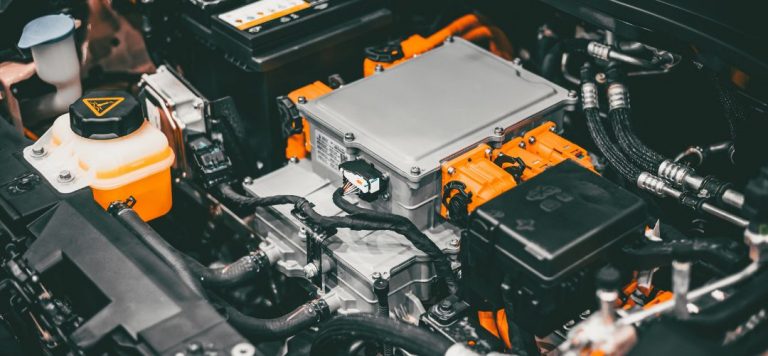
Hybrid cars have become increasingly popular, offering a compelling blend of fuel efficiency and performance. At the heart of their design lies the high-voltage battery pack, which works in conjunction with the internal combustion engine (ICE) to power the vehicle. A common question, and a valid concern for prospective and current hybrid owners, is: "How long will my hybrid battery last?" The answer isn't as straightforward as a simple mileage or timeframe, as numerous factors influence battery lifespan. Let's delve into the technical aspects and explore what you can expect from your hybrid battery, and how to maximize its longevity.
Understanding Hybrid Battery Technology
First, it's essential to understand the fundamental battery technology used in most hybrid vehicles. The vast majority utilize Nickel-Metal Hydride (NiMH) batteries, although newer models, particularly Plug-in Hybrids (PHEVs) and some newer conventional hybrids, are increasingly adopting Lithium-ion (Li-ion) batteries.
NiMH batteries are known for their robustness, relatively lower cost, and a good track record in hybrid applications. They're also generally considered safer than early Li-ion chemistries. However, they have a lower energy density compared to Li-ion, meaning they store less energy for the same weight and volume.
Li-ion batteries, on the other hand, offer higher energy density, improved power output, and better charge/discharge efficiency. This translates to potentially longer electric-only ranges and quicker charging times in PHEVs. However, they can be more sensitive to temperature extremes and require sophisticated Battery Management Systems (BMS) to ensure safe and optimal operation.
Regardless of the chemistry, hybrid batteries don't typically experience deep discharges like those seen in electric vehicles (EVs). They are designed to operate within a limited State of Charge (SoC) window, often between 20% and 80%. This shallower cycling helps to extend their overall lifespan. The Battery Management System (BMS) is a crucial component that monitors and controls the battery's voltage, current, temperature, and SoC to prevent overcharging, over-discharging, and thermal runaway – all critical for maintaining battery health.
Factors Affecting Battery Lifespan
Several factors contribute to the longevity of a hybrid battery. Understanding these can help you adopt driving and maintenance practices that prolong its life.
Environmental Conditions:
Temperature is arguably the most significant factor. Extreme heat and cold can both accelerate battery degradation. High temperatures increase the rate of chemical reactions within the battery, leading to faster capacity loss. Cold temperatures, on the other hand, can reduce battery performance and charging efficiency.
Pro Tip: Parking your hybrid in a shaded area or garage during hot weather can significantly reduce battery temperature and extend its lifespan. Similarly, preheating or precooling the cabin before driving in extreme temperatures can help the BMS manage the battery temperature more effectively.
Driving Habits:
Aggressive driving, characterized by rapid acceleration and hard braking, puts a greater strain on the battery. Frequent and rapid charge/discharge cycles generate heat and can accelerate wear. Gentle acceleration and anticipatory braking are better for battery health.
Frequent short trips can also be detrimental, particularly if the engine doesn't have enough time to warm up properly and assist in charging the battery. Longer trips, where the engine and battery work together efficiently, are generally better.
Battery Age and Usage:
Like all rechargeable batteries, hybrid batteries degrade over time due to calendar aging and cycle aging. Calendar aging refers to the gradual degradation that occurs regardless of usage, due to the chemical decomposition of battery components. Cycle aging refers to the degradation caused by repeated charge and discharge cycles.
The more miles you drive and the more aggressively you drive, the more the battery will be cycled, contributing to faster degradation. However, even with low mileage, the battery will still experience calendar aging.
Maintenance and Software Updates:
Regular maintenance is crucial. While hybrid batteries are designed to be relatively maintenance-free, ensuring that the cooling system (if equipped) is functioning correctly is essential. This may involve cleaning the battery cooling fan or replacing the air filter that protects it.
Software updates from the manufacturer can also improve battery management and extend its lifespan. These updates may optimize charging strategies, improve thermal management, and enhance overall battery performance. Keep an eye out for Technical Service Bulletins (TSBs) from the manufacturer regarding battery-related software updates.
Typical Battery Lifespan and Replacement Costs
The good news is that hybrid batteries are generally quite durable. Many manufacturers offer warranties of 8 years or 100,000 miles (or longer, depending on the state and model) on the hybrid battery. However, anecdotal evidence and real-world experience suggest that many batteries last significantly longer than the warranty period.
It's not uncommon to see hybrid batteries lasting 10-15 years or even longer, with mileages exceeding 200,000 miles. However, performance will likely degrade over time. You may notice a decrease in fuel economy, reduced electric-only range (in PHEVs), or a decrease in overall power output.
When the battery does eventually need replacing, the cost can be significant. Replacement costs vary depending on the vehicle make and model, battery chemistry, and whether you opt for a new, remanufactured, or used battery pack. New battery packs can range from $2,000 to $8,000 or more, including labor. Remanufactured batteries offer a more affordable option, typically costing between $1,500 and $4,000. However, their lifespan may be shorter than that of a new battery. Used batteries are the cheapest option, but their condition and remaining lifespan are highly variable and come with the highest risk.
Recognizing Signs of Battery Degradation
Pay attention to these signs, which might indicate a degrading or failing hybrid battery:
- Reduced Fuel Economy: A noticeable decrease in MPG is often the first sign.
- Decreased Electric-Only Range (PHEVs): The distance you can travel on electric power alone will decrease.
- Warning Lights: The "Check Engine" light or a specific hybrid system warning light may illuminate.
- Reduced Power Output: The car may feel sluggish during acceleration.
- Erratic Engine Behavior: The engine may start and stop more frequently than usual.
- Increased Battery Fan Noise: The battery cooling fan may run more often and louder, indicating the battery is working harder to maintain its temperature.
Strategies to Extend Battery Life
Here are some practical tips to help maximize the lifespan of your hybrid battery:
- Park in the Shade: Minimize exposure to extreme heat.
- Drive Smoothly: Avoid aggressive acceleration and braking.
- Regular Maintenance: Keep the battery cooling system clean and functioning properly.
- Software Updates: Install any available software updates from the manufacturer.
- Avoid Deep Discharges: Don't let the battery consistently reach very low states of charge.
- Minimize Short Trips: Combine errands into longer trips when possible.
Conclusion
Hybrid batteries are a vital component of hybrid vehicles, and their lifespan is influenced by several factors, including environmental conditions, driving habits, battery age, and maintenance. While replacement can be costly, many hybrid batteries last well beyond their warranty period. By understanding the factors that affect battery health and adopting proactive driving and maintenance practices, you can significantly extend the life of your hybrid battery and enjoy the benefits of hybrid technology for years to come. Remember to regularly monitor your car's performance and heed any warning signs that may indicate battery degradation. Don't hesitate to consult with a qualified mechanic specializing in hybrid vehicles for diagnosis and repairs.