
How Long Does A Battery Last On A New Car
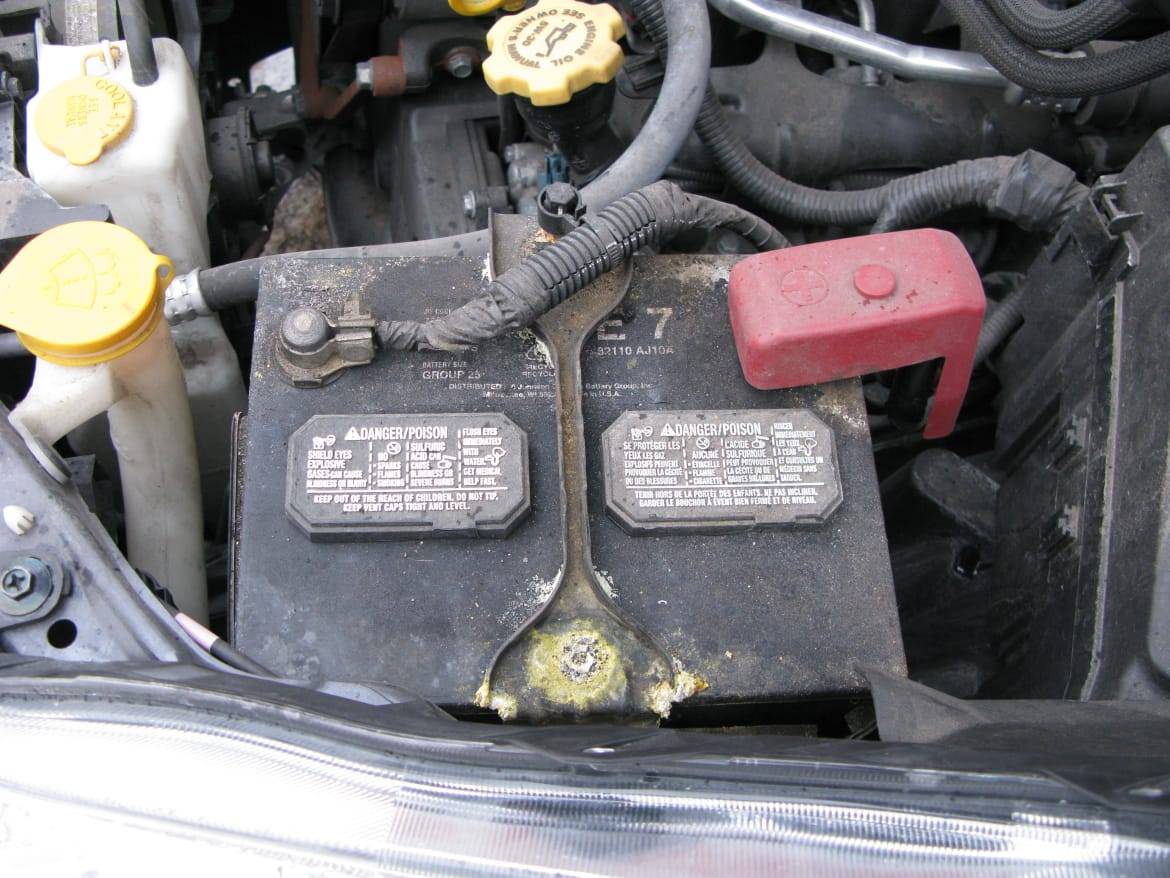
One of the most common questions new car owners ask is, "How long will my car battery last?" While there's no single definitive answer, understanding the factors influencing battery lifespan can help you maximize its performance and avoid unexpected breakdowns. Generally, you can expect a car battery in a new vehicle to last anywhere from 3 to 5 years, but several variables can either shorten or extend this range.
Factors Affecting Car Battery Lifespan
Several interconnected elements dictate how long a battery will endure. Let's examine some of the most significant:
- Climate: Temperature extremes, both hot and cold, are detrimental to battery health. High heat accelerates corrosion and fluid evaporation within the battery, shortening its lifespan. Conversely, extreme cold reduces the battery's chemical reaction rate, making it harder to start the engine, especially in older batteries. The "Goldilocks zone" for battery longevity is a moderate climate.
- Driving Habits: Frequent short trips can be more taxing than longer drives. The alternator (the component responsible for recharging the battery) needs sufficient time to replenish the energy used during starting. Short trips may not provide enough charging time, gradually depleting the battery's reserve capacity. Conversely, long highway drives allow the alternator to fully charge the battery and maintain its health. Stop-and-go traffic with heavy accessory use (lights, air conditioning, radio) also places a heavier load on the battery and charging system.
- Battery Quality & Type: Not all batteries are created equal. The quality of the battery, its construction, and its type (e.g., flooded lead-acid, AGM - Absorbent Glass Mat) play a crucial role. AGM batteries are generally more robust and offer better performance in demanding conditions compared to traditional flooded lead-acid batteries. They are also more resistant to vibration and deep cycling (repeated discharging and recharging). Choosing a reputable brand and the appropriate battery type for your vehicle is essential.
- Vehicle Electrical Load: Modern vehicles are equipped with a plethora of electronic systems, from infotainment systems and navigation to advanced driver-assistance systems (ADAS). These systems draw power even when the engine is off, slowly draining the battery. Aftermarket accessories, such as upgraded sound systems, dash cams, or security systems, can further increase the electrical load, impacting battery life. Parasitic drain, which is the current drawn when the car is off, should be kept to a minimum. A healthy system should have a parasitic draw of less than 50 milliamps.
- Maintenance: Regular maintenance can significantly extend battery life. Keeping the battery terminals clean and free of corrosion is vital. Corrosion can impede the flow of electricity, reducing the battery's charging efficiency and overall performance. Periodic battery testing, either at home with a battery tester or at a service center, can help identify potential issues before they lead to failure.
Signs of a Weakening Car Battery
Recognizing the warning signs of a failing battery can help you avoid being stranded. Common indicators include:
- Slow Engine Cranking: The engine takes longer than usual to start.
- Dim Headlights: Headlights appear dimmer than normal, especially at idle.
- Warning Lights: The battery warning light or check engine light illuminates on the dashboard.
- Corrosion on Terminals: Visible corrosion around the battery terminals.
- Swollen Battery Case: A bulging or deformed battery case can indicate internal damage.
Extending Your Car Battery's Life
While you can't completely eliminate the factors affecting battery lifespan, you can take steps to maximize its performance:
- Limit Short Trips: Whenever possible, combine errands into longer trips to allow the alternator to fully charge the battery.
- Turn Off Unnecessary Accessories: Minimize the use of power-hungry accessories like headlights, air conditioning, and the radio when starting the engine.
- Keep Terminals Clean: Regularly clean battery terminals with a baking soda and water solution to remove corrosion.
- Battery Tender/Maintainer: If you frequently leave your car unused for extended periods, consider using a battery tender or maintainer to keep the battery charged.
- Regular Testing: Have your battery tested regularly by a qualified mechanic. They can assess its health and identify any potential issues before they become major problems.
In conclusion, understanding the various factors that influence car battery lifespan empowers you to take proactive measures to maintain its health and prevent unexpected failures. By paying attention to your driving habits, vehicle electrical load, and performing regular maintenance, you can significantly extend the life of your car battery and enjoy reliable performance for years to come. Remember, a proactive approach to battery care can save you time, money, and the inconvenience of a breakdown.