
How Long Does A Nissan Frontier Last
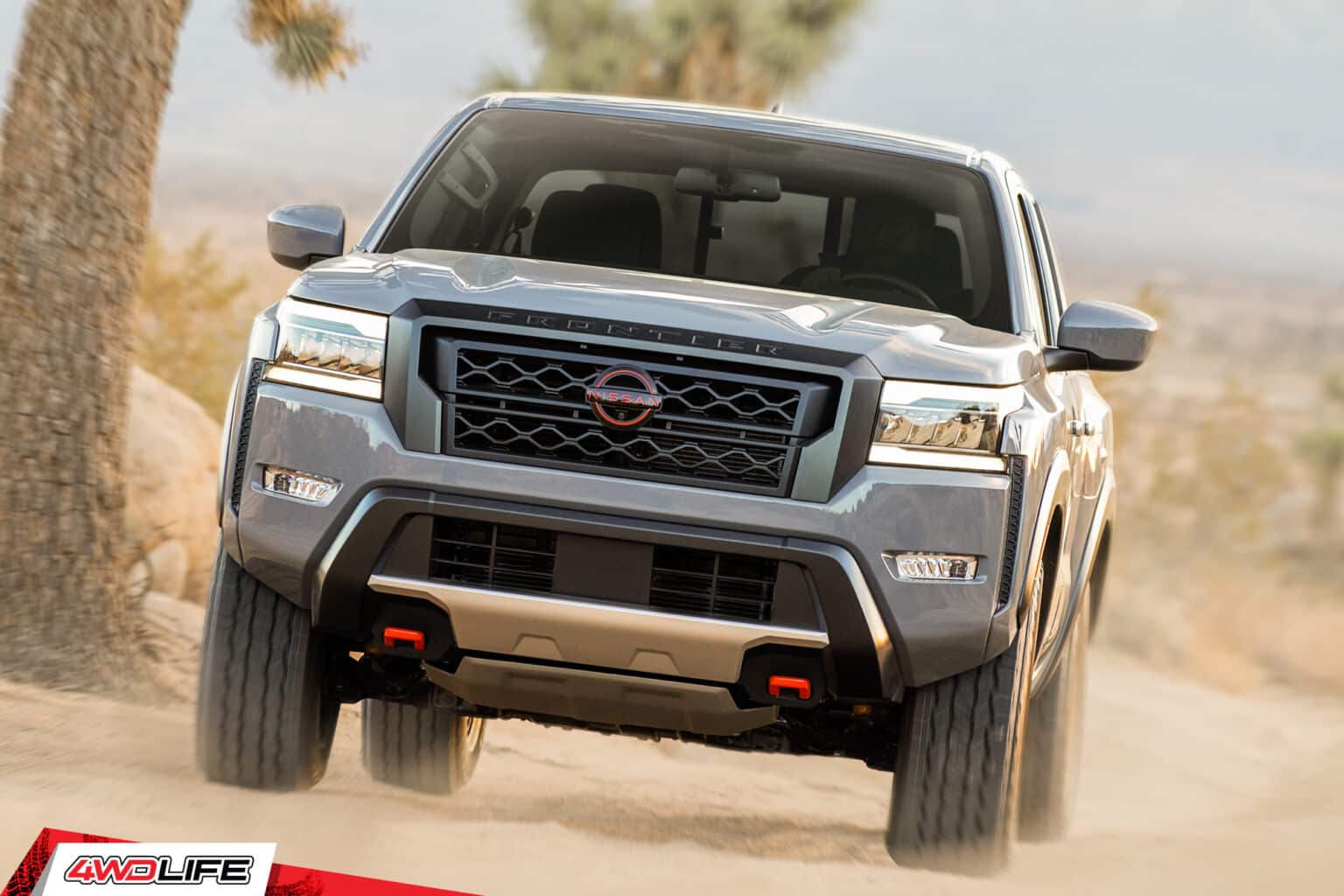
The Nissan Frontier, a stalwart in the mid-size truck segment, has earned a reputation for being a reliable and capable workhorse. But a question that's always on the minds of prospective buyers, current owners, and even seasoned mechanics is: How long does a Nissan Frontier really last? This isn't just about the odometer reading; it's about the vehicle's overall lifespan, maintenance needs, and the factors that contribute to its longevity.
Understanding Longevity: It's More Than Just Mileage
When we talk about a vehicle's lifespan, we're not just referring to how many miles it can clock before it falls apart. It's a more nuanced concept that encompasses several key elements:
- Mileage: A Frontier reaching 200,000 miles is a good sign, and many have surpassed 300,000 or even 400,000 with proper care. However, mileage alone doesn't tell the whole story.
- Years of Service: Age can take its toll on rubber components (hoses, seals), plastics, and even the structural integrity of the chassis. A Frontier that's been sitting idle for long periods might have issues related to corrosion and deterioration, even with low mileage.
- Maintenance History: A well-maintained Frontier will almost always outlast one that's been neglected. Regular oil changes, fluid flushes, and timely repairs are crucial.
- Driving Conditions: Harsh environments (extreme heat, cold, salt) and demanding driving habits (off-roading, towing heavy loads) can accelerate wear and tear.
Think of it like this: a high-performance sports car like a Porsche 911 might be engineered to handle high speeds and aggressive driving, but pushing it to its limits every day will significantly reduce its lifespan compared to one driven gently on weekends. Similarly, a Frontier used primarily for light commuting will likely last longer than one consistently hauling heavy loads on rough terrain.
Key Factors Affecting Frontier Lifespan
Several specific factors contribute to the longevity (or lack thereof) of a Nissan Frontier:
Engine and Transmission Durability
The engine is the heart of any vehicle. The Frontier has seen a few different engines over the years, with the 4.0-liter V6 (VQ40DE) being a common and generally reliable option in the 2005-2021 models. This engine, related to the VQ35HR found in some Nissan 350Z models, is known for its robustness but can be prone to timing chain issues if oil changes are neglected. The newer 3.8-liter V6 introduced in 2020 appears promising, but it's still relatively early to gauge its long-term reliability.
The transmission is equally important. The automatic transmissions in Frontiers (particularly the earlier models) have sometimes been reported to have issues, such as valve body problems or torque converter failures. Manual transmissions, if properly maintained (clutch replacements as needed), tend to be more durable in the long run.
Example: Imagine two Frontiers with the same engine and transmission. One is meticulously maintained with regular oil changes and transmission fluid flushes, while the other is driven hard and serviced infrequently. The well-maintained Frontier will almost certainly experience fewer engine and transmission problems and last significantly longer.
Rust and Corrosion
Rust is a major enemy of vehicle longevity, especially in areas with harsh winters or coastal environments. The Frontier, like many vehicles, is susceptible to rust, particularly in the frame, body panels, and undercarriage. Regular washing, undercoating treatments, and rustproofing can help mitigate this issue.
Example: Comparing a Frontier from Arizona to one from Michigan highlights this point. The Arizona Frontier, exposed to dry heat, will likely experience far less rust than the Michigan Frontier, which battles road salt and moisture throughout the winter.
Suspension and Drivetrain
The suspension system (shocks, struts, springs, control arms) absorbs the bumps and imperfections of the road, providing a comfortable ride and maintaining vehicle stability. Worn suspension components can lead to poor handling, premature tire wear, and increased stress on other parts of the vehicle. The drivetrain components (differentials, axles, driveshafts) are responsible for transferring power from the engine to the wheels. Issues with these components can result in noise, vibrations, and even complete failure.
Example: A Frontier frequently used for off-roading will experience more stress on its suspension and drivetrain components than one used solely for highway driving. This increased stress can lead to earlier wear and tear and the need for more frequent repairs.
Electrical System
Modern vehicles rely heavily on their electrical systems. The Frontier is no exception. Issues with the battery, alternator, starter, wiring harness, or sensors can cause a variety of problems, from starting difficulties to complete breakdowns. Keeping the battery in good condition and addressing electrical issues promptly is essential.
Example: A faulty sensor can cause the engine to run inefficiently, leading to decreased fuel economy and potential damage to other components. Neglecting this issue can shorten the overall lifespan of the vehicle.
Maintenance: The Key to Longevity
Regardless of the inherent durability of a vehicle, regular maintenance is the single most important factor in determining its lifespan. Here's a breakdown of essential maintenance tasks for a Nissan Frontier:
- Regular Oil Changes: This is crucial for engine health. Follow the manufacturer's recommended oil change intervals, or even shorten them if you drive in harsh conditions.
- Fluid Flushes: Transmission fluid, coolant, brake fluid, and power steering fluid all degrade over time. Regular flushes help maintain their effectiveness and prevent damage to their respective systems.
- Brake Service: Inspect and replace brake pads, rotors, and calipers as needed. Maintaining a healthy braking system is essential for safety and preventing further damage.
- Tire Maintenance: Rotate your tires regularly to ensure even wear and maximize their lifespan. Maintain proper tire pressure for optimal handling and fuel economy.
- Scheduled Inspections: Have a qualified mechanic inspect your Frontier regularly for any potential problems. Catching issues early can prevent them from escalating into more costly repairs.
Analogy: Think of your Frontier like a marathon runner. Regular training, a healthy diet, and proper rest are essential for achieving peak performance and avoiding injuries. Similarly, regular maintenance is crucial for keeping your Frontier running smoothly and preventing breakdowns.
Practical Takeaways: Maximizing Your Frontier's Lifespan
So, how can you ensure that your Nissan Frontier lasts as long as possible?
- Follow the Maintenance Schedule: Adhere to the maintenance schedule outlined in your owner's manual. Don't skip services, and consider shortening intervals if you drive in demanding conditions.
- Address Issues Promptly: Don't ignore warning lights, strange noises, or unusual behavior. Have your Frontier inspected by a qualified mechanic as soon as possible to prevent minor problems from becoming major headaches.
- Protect Against Rust: If you live in an area with harsh winters or coastal environments, take steps to protect your Frontier from rust. Regular washing, undercoating treatments, and rustproofing can help.
- Drive Responsibly: Avoid excessive speeding, hard acceleration, and aggressive braking. These driving habits can put unnecessary stress on your vehicle and shorten its lifespan.
- Keep Detailed Records: Maintain a record of all maintenance and repairs performed on your Frontier. This will help you track its maintenance history and identify any potential problems.
- Consider a Pre-Purchase Inspection: If you're buying a used Frontier, have it inspected by a qualified mechanic before you buy. This can help you identify any existing problems and avoid costly surprises down the road.
In conclusion, a Nissan Frontier can last for many years and hundreds of thousands of miles with proper care and maintenance. By understanding the factors that affect its lifespan and taking proactive steps to protect it, you can ensure that your Frontier remains a reliable and capable vehicle for years to come. Don't underestimate the power of regular maintenance! It's the single most important factor in determining how long your Frontier will last. Treat your Frontier well, and it will treat you well in return.