
How Long Does Charging A Car Battery Take
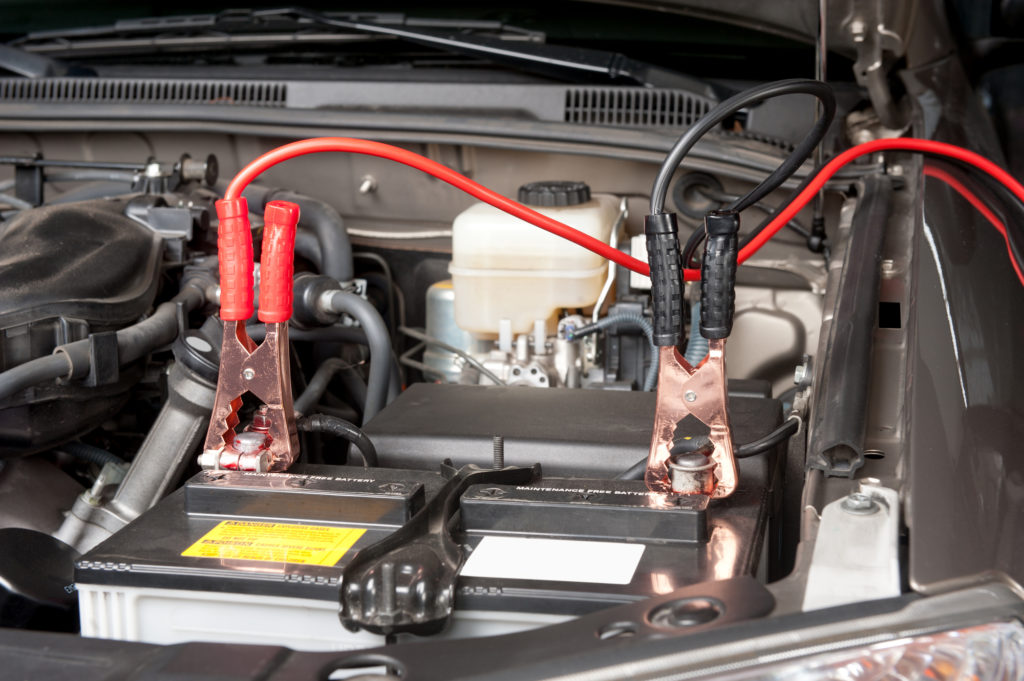
So, your car battery's dead, huh? We've all been there. One minute you're cruising along, the next you're staring at a dashboard that looks like a Christmas tree with all the lights turned off. A common question that follows is: "How long will it take to charge this thing?" The answer, unfortunately, isn't a simple one-size-fits-all. It depends on a few key factors.
Factors Affecting Charging Time
Think of your car battery like a sponge. A completely dry sponge takes longer to soak up water than one that's only slightly damp. Similarly, a completely discharged battery will require significantly more time to reach a full charge compared to one that's just low.
State of Discharge
This is the biggest factor. A completely dead battery can take anywhere from 12 to 24 hours to charge fully using a standard trickle charger. If the battery is only partially discharged – say, you left your headlights on for a couple of hours – you might be looking at a charging time of 3 to 6 hours with a regular charger.
Charger Type and Amperage
The type of charger you use makes a huge difference. There are basically two main types: slow/trickle chargers and rapid chargers.
- Trickle Chargers (2-5 Amps): These are the gentlest on your battery and ideal for long-term maintenance and fully reviving a deeply discharged battery. Think of it as a slow, steady drip. As mentioned before, these can take 12-24 hours for a full charge.
- Rapid Chargers (10-40+ Amps): These deliver a much faster charge, but they can also generate more heat and potentially damage your battery if not used carefully. While these can deliver a charge much faster, usually 1-4 hours for a completely dead battery, and can be used to give your battery a quick boost to get you started, they are not ideal for maintaining your battery long term.
- Smart Chargers: Smart chargers are a great option, as they monitor the battery's charge level and adjust the charging current accordingly. They can be left connected for extended periods without overcharging.
The amperage (amps) of the charger is crucial. A higher amp charger will, in theory, charge faster. However, don't just grab the highest amp charger you can find. Check your battery's specifications for its recommended charging rate. Overcharging can damage the battery's internal components, shortening its lifespan. The user manual or a sticker on the battery itself will have the maximum charging rate for your specific battery. Exceeding the max rate could cause damage to the battery.
Battery Size and Type
Larger batteries (measured in Cold Cranking Amps or CCA) naturally take longer to charge than smaller ones. Also, the type of battery matters. A standard lead-acid battery will charge differently than an AGM (Absorbent Glass Mat) or gel battery. Always check the battery manufacturer's recommendations for charging your specific type of battery.
Battery Age and Condition
An old or damaged battery won't hold a charge as well as a new one. If your battery is nearing the end of its lifespan (typically 3-5 years), it might take longer to charge and may not reach a full charge even after an extended period. Also, if your battery has sulfation (a buildup of lead sulfate crystals on the battery plates), it will resist charging. Special desulfating chargers or professional battery reconditioning might be needed in this case, but often sulfation is a sign that the battery needs to be replaced.
Temperature
Extreme temperatures can affect battery charging. Cold weather slows down the chemical reactions inside the battery, making it harder to charge. Warm weather can accelerate charging but also increase the risk of overcharging. It's best to charge your battery in a moderate temperature environment.
Practical Tips and Solutions
Okay, so you know the factors involved. What can you actually do about it?
Jump Starting (Temporary Solution)
A jump start is a quick way to get your car running, but it doesn't actually charge the battery. It just provides enough power to start the engine. Once the engine is running, the alternator will start charging the battery. Drive your car for at least 30 minutes after a jump start to allow the alternator to replenish some of the battery's charge. Keep in mind this is a temporary fix and not a substitute for fully charging the battery.
Important: If your car consistently needs jump starts, it's a sign of a deeper problem, such as a failing battery, a faulty alternator, or a parasitic draw (something draining power while the car is off).
Using a Battery Charger
This is the preferred method for fully charging a battery.
- Safety First: Wear safety glasses and gloves. Work in a well-ventilated area, as batteries can release explosive hydrogen gas.
- Disconnect the Battery: Disconnect the negative (-) terminal first, then the positive (+) terminal. This prevents accidental short circuits.
- Connect the Charger: Connect the charger's positive (+) clamp to the battery's positive (+) terminal, and the charger's negative (-) clamp to the battery's negative (-) terminal.
- Set the Charger: Choose the correct voltage (usually 12V for car batteries) and amperage setting. Start with a lower amperage for a slower, more thorough charge. If you’re using a smart charger, let it automatically choose the optimal settings.
- Monitor the Charging Process: Check the battery's voltage periodically. Many chargers have a built-in voltmeter. Once the battery reaches its full charge voltage (typically around 12.6-12.8 volts), disconnect the charger.
- Reconnect the Battery: Reconnect the positive (+) terminal first, then the negative (-) terminal.
Tools Needed:
- Battery charger
- Safety glasses
- Gloves
- Wrench to disconnect battery terminals
Professional Battery Testing and Charging
If you're unsure about charging your battery yourself, or if you suspect there's a more serious problem, take your car to a mechanic. They can perform a battery load test to determine its condition and use professional-grade equipment to charge it properly.
Approximate Costs:
- Battery load test: $20 - $50
- Professional battery charging: $30 - $75
- New car battery: $100 - $300+ (depending on type and brand)
When to Replace Your Battery
Sometimes, no matter how long you charge it, a battery simply won't hold a charge anymore. Here are some signs it's time for a replacement:
- The battery is more than 3-5 years old.
- The battery is visibly damaged (cracked case, bulging sides).
- Your car struggles to start, especially in cold weather.
- The battery warning light on your dashboard stays on.
- A load test reveals a significantly reduced capacity.
In conclusion, charging your car battery isn't an exact science. Understanding the factors involved and using the right charging method can help you get back on the road quickly and safely. If in doubt, always consult a professional mechanic. And remember, a well-maintained battery is a happy battery (and a happy driver!).