
How Long Does It Take For Seafoam To Work
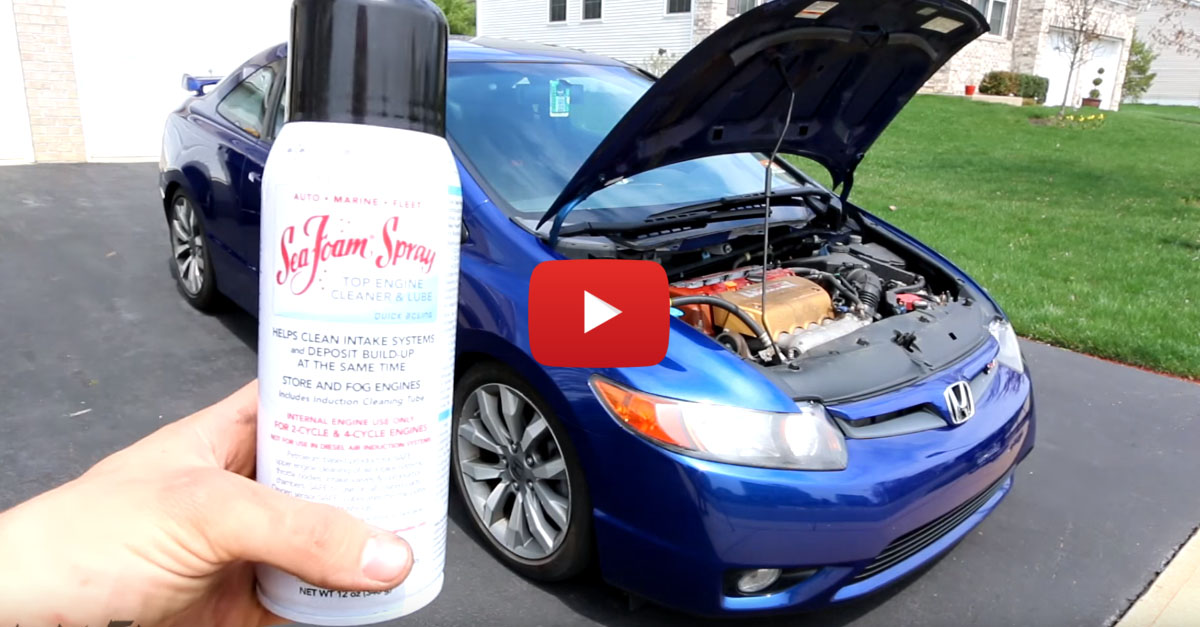
Seafoam is a popular product in the automotive world, known for its ability to clean fuel systems, intake components, and even the oil system. However, a common question among car enthusiasts, owners, and hobby mechanics is: how long does it actually take for Seafoam to work? The answer isn't a simple one, as the timeframe depends on several factors, including the application method, the severity of the problem, and the specific components being treated.
Understanding Seafoam's Action
Before diving into the timeframe, it's important to understand how Seafoam works. Seafoam is essentially a blend of pale oil, naphtha, and isopropyl alcohol. This combination allows it to act as a solvent, detergent, and lubricant. Its primary function is to dissolve deposits and residues that build up over time in fuel systems, carburetors (in older vehicles), fuel injectors, intake valves, and even in the engine oil.
The naphtha and isopropyl alcohol act as solvents, breaking down varnish, gum, and carbon deposits. The pale oil then lubricates these parts as the dissolved contaminants are flushed through the system. This is why it's often described as a multi-purpose product.
Application Methods and Timeframes
The time it takes for Seafoam to work varies significantly depending on how you use it. Here are the most common application methods and their associated timeframes:
1. Fuel Tank Treatment
This is perhaps the most common way to use Seafoam. Adding it to your fuel tank helps clean the fuel injectors, fuel lines, and other components within the fuel system. The timeframe for seeing noticeable results can range from a few miles to a few tanks of gas. Let's consider a few examples:
- Mild Cleaning: If you're using Seafoam as a preventative measure in a relatively clean system, you might notice a slight improvement in throttle response or fuel economy within the first tank of gas. Think of a well-maintained 2015 Toyota Camry; a preventative dose might show subtle benefits quickly.
- Moderate Cleaning: If your car has some symptoms like slight hesitation or rough idling, it might take a few hundred miles (perhaps half a tank to a full tank of gas) before you notice a significant difference. For example, a 2008 Honda Civic with 150,000 miles might need a full tank to start feeling smoother.
- Severe Cleaning: For a vehicle with significant fuel system issues, such as a car that has been sitting for a long time or one with heavily clogged injectors, it might take several tanks of gas and potentially additional treatments to fully restore performance. A classic 1967 Ford Mustang that's been sitting in a garage for years will likely require more than one treatment.
The key here is that Seafoam needs time to circulate through the system and dissolve the deposits. Heavier deposits require more time and potentially a higher concentration of Seafoam.
2. Intake Cleaning (Seafoam "Suck")
This method involves directly introducing Seafoam into the intake manifold, typically through a vacuum line. This is a more aggressive approach designed to clean intake valves and combustion chambers. The timeframe for this method is much shorter, usually a matter of minutes.
The typical procedure involves slowly sucking Seafoam into a vacuum line until the engine nearly stalls. Then, you shut off the engine and let it sit for 15-30 minutes. This allows the Seafoam to soak the deposits. After the soak, you restart the engine, which will produce a lot of white smoke as the Seafoam and dissolved deposits are burned off.
Within minutes of restarting the engine after the soak, you should notice a difference in idle smoothness and throttle response. This method is particularly effective for vehicles with direct injection engines, such as many modern BMWs or Audis, which are prone to carbon buildup on the intake valves. A 2012 BMW 328i, for instance, could benefit greatly from this treatment.
Important Note: This method can be quite dramatic with the amount of smoke produced, so be sure to do it in a well-ventilated area. It's also crucial to follow the instructions carefully to avoid hydrolocking the engine.
3. Oil Treatment
Adding Seafoam to your engine oil can help clean sludge and deposits from the crankcase. However, this method requires even more caution and planning.
The recommended procedure is to add Seafoam to your oil a short time before an oil change – typically 100-300 miles. This allows the Seafoam to circulate and loosen deposits without leaving it in the system for an extended period. Running with Seafoam in the oil for too long could potentially thin the oil too much and reduce lubrication.
You might not "feel" a difference with this method as immediately as with the intake treatment, but it can contribute to improved oil flow and reduced engine wear over time. Think of a high-mileage Subaru Outback; regular oil treatments with Seafoam before oil changes could help extend its lifespan.
After the designated mileage, it is imperative to change the oil and filter. This removes the dissolved contaminants and the Seafoam itself, ensuring that you have clean, fresh oil lubricating your engine.
Factors Affecting the Timeframe
Several factors can influence how long it takes for Seafoam to work:
- Severity of the Problem: As mentioned earlier, more severe deposits require more time and potentially multiple treatments.
- Engine Type: Direct injection engines often benefit more from intake cleaning methods due to the tendency for carbon buildup on the intake valves.
- Fuel Quality: Poor fuel quality can accelerate deposit formation, requiring more frequent Seafoam treatments.
- Driving Habits: Short trips and frequent idling can contribute to deposit buildup, slowing down the effectiveness of Seafoam.
Practical Takeaways
Here's what you should keep in mind when using Seafoam:
- Choose the Right Method: Select the application method that best suits your needs and the specific problem you're trying to address.
- Follow Instructions Carefully: Always read and follow the instructions on the Seafoam can. Incorrect application can lead to engine damage.
- Be Patient: Don't expect overnight miracles, especially with fuel tank treatments. Give the product time to work.
- Consider Multiple Treatments: For heavily contaminated systems, multiple treatments may be necessary.
- Use Preventatively: Regular use of Seafoam can help prevent deposit buildup and maintain optimal engine performance.
- Be Mindful of Smoke: The intake cleaning method can produce significant white smoke. Perform this procedure in a well-ventilated area and be prepared for the attention it might draw.
- Oil Treatment Requires Oil Change: If using Seafoam in the oil, remember to change the oil and filter after the recommended mileage.
In conclusion, the time it takes for Seafoam to work depends heavily on the application method and the severity of the problem. By understanding how Seafoam works and following the instructions carefully, you can effectively use it to clean your engine and fuel system, potentially improving performance and extending the life of your vehicle. Always prioritize safety and proper procedures when working on your car.