
How Long Does It Take To Change O2 Sensor
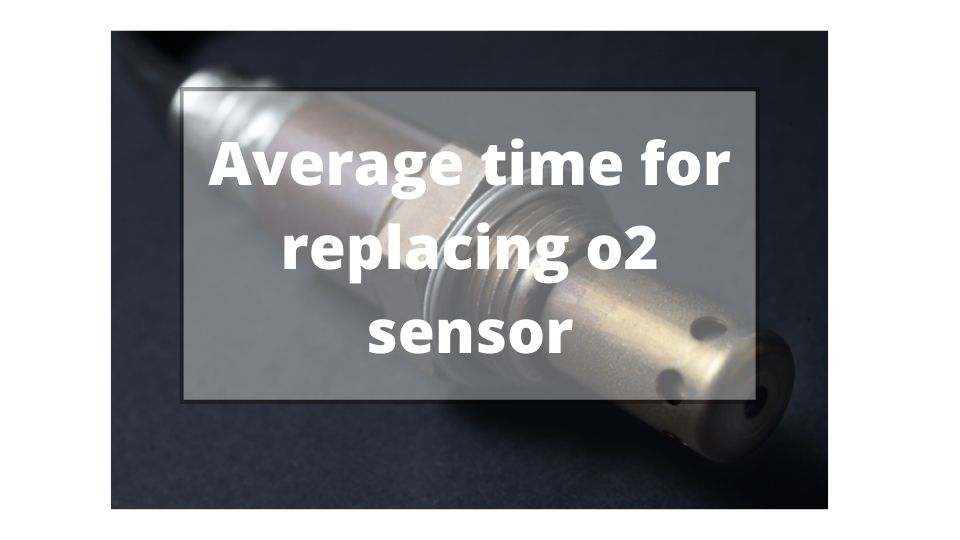
The check engine light. Those three little words can send shivers down any car enthusiast's spine. Often, the culprit is a faulty oxygen sensor, or O2 sensor. But how long does it *really* take to change one? The answer, like with most things automotive, is: it depends.
The O2 Sensor Time Warp: Model Matters
Don't expect a blanket statement to cover everything from a 1990s Honda Civic to a modern turbocharged BMW. The vehicle's make, model, engine, and even the sensor's location all play a crucial role in the job's duration.
Spec Table: O2 Sensor Swap Times (Estimated)
| Vehicle | Engine | Sensor Location | Estimated Time (DIY - Experienced) | Estimated Time (Shop) |
|---|---|---|---|---|
| 1998 Honda Civic | 1.6L Inline-4 | Upstream (Easy Access) | 30 min - 1 hour | 0.5 - 1 hour |
| 2005 Subaru WRX | 2.0L Turbocharged Flat-4 | Upstream (Tight Space) | 1 - 2 hours | 1 - 1.5 hours |
| 2015 Ford F-150 | 3.5L EcoBoost V6 | Downstream (Rusted) | 2 - 4 hours (potential for breakage) | 1.5 - 3 hours |
| 2023 Tesla Model 3 | Electric (N/A - Monitors Battery Health) | N/A | N/A | N/A |
| 2018 BMW M5 | 4.4L Twin-Turbo V8 | Upstream (Multiple Sensors, Complex Layout) | 2 - 3 hours (Expert Only) | 2 - 4 hours |
Factors Influencing O2 Sensor Replacement Time
Several factors can either accelerate or drastically slow down the O2 sensor replacement process. Understanding these can help you manage your expectations and plan accordingly.
- Sensor Location: Upstream sensors (before the catalytic converter) are generally easier to access than downstream sensors (after the catalytic converter). Downstream sensors are often more exposed to the elements, leading to rust and corrosion.
- Rust and Corrosion: This is the biggest time killer. A rusted-in sensor can require penetrating oil, heat, specialized tools, and even drilling to remove.
- Experience Level: A seasoned mechanic will naturally be faster than a first-time DIYer. Familiarity with the vehicle and having the right tools makes a huge difference.
- Tools Available: An O2 sensor socket (with a slot for the wiring) is essential. Access to a lift or ramps can also greatly improve accessibility. Impact wrenches can be helpful, but use with caution to avoid damaging the exhaust manifold.
- Sensor Type: Some vehicles use wideband O2 sensors, which may require more careful handling and calibration.
DIY vs. Shop: Weighing the Options
Deciding whether to tackle the O2 sensor replacement yourself or take it to a shop depends on your skill level, available tools, and patience. Here's a breakdown:
DIY O2 Sensor Replacement
- Pros:
- Cost savings (parts are usually cheaper than labor)
- Sense of accomplishment
- Opportunity to learn about your car
- Cons:
- Potential for complications (rusted sensors, stripped threads)
- Requires specialized tools
- Time commitment
- Risk of damaging other components
Professional O2 Sensor Replacement
- Pros:
- Faster turnaround time (in most cases)
- Expertise and experience
- Proper tools and equipment
- Warranty on the repair
- Cons:
- Higher cost (labor charges can add up)
- Potential for misdiagnosis (rare, but it happens)
Real-World Driving Impressions After Sensor Replacement
After replacing a faulty O2 sensor, you should notice a few key improvements:
- Improved Fuel Economy: A properly functioning O2 sensor ensures the engine runs at the optimal air-fuel ratio, maximizing fuel efficiency.
- Smoother Engine Performance: The engine should run smoother and more consistently, especially at idle.
- Reduced Emissions: A healthy O2 sensor helps to reduce harmful emissions, benefiting the environment.
- Cleared Check Engine Light: The dreaded check engine light should disappear (assuming the O2 sensor was the root cause). You may need to use an OBDII scanner to clear the code manually.
A Word of Caution
Always disconnect the negative battery terminal before working on any electrical components, including O2 sensors. Be careful when working around hot exhaust components. And, always use anti-seize compound on the threads of the new sensor to prevent future rust and corrosion.
Remember to consult your vehicle's service manual for specific instructions and torque specifications.
Replacing O2 sensors isn't rocket science, but it requires a bit of mechanical aptitude and the right tools. With careful planning and a bit of patience, you can save money and get your car running smoothly again.
Final Thought: Here's the hot topic: do you *really* need to use the special O2 sensor socket, or can a regular wrench work in a pinch? Let the debate begin!