
How Long Does It Take To Put A Starter In
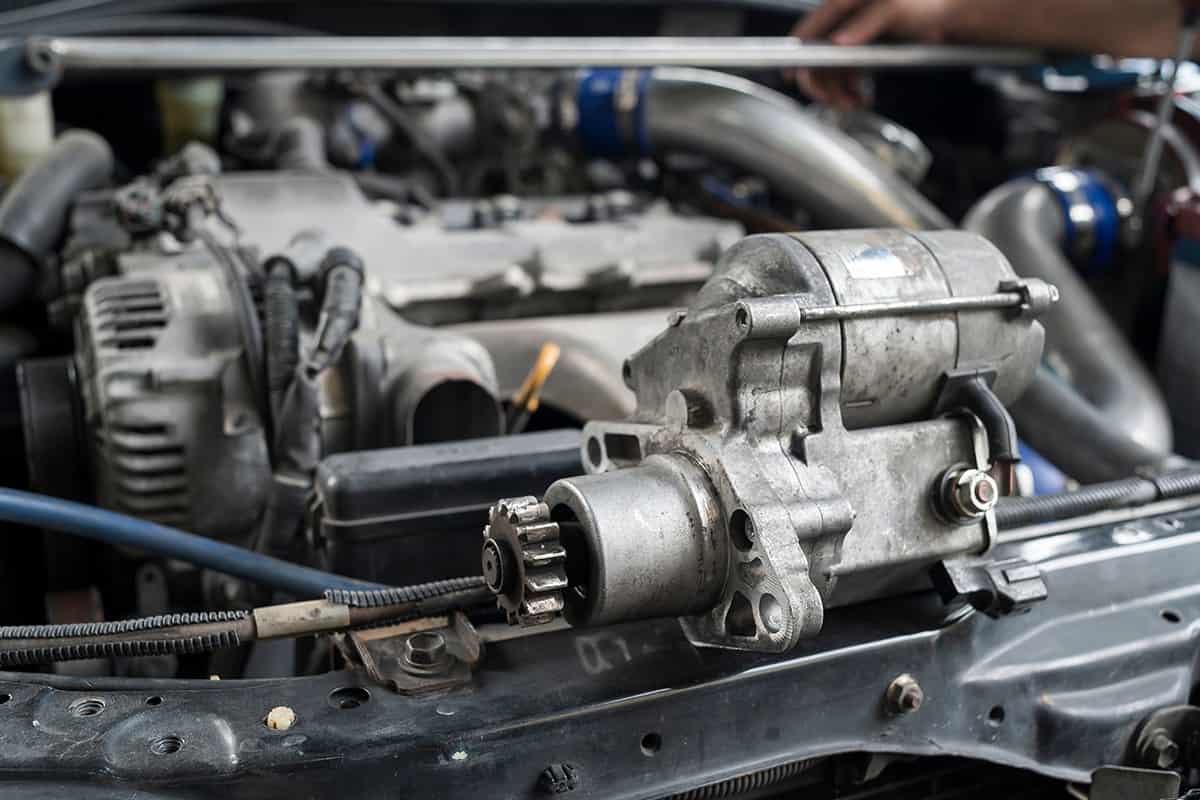
If your car is struggling to start, or making a clicking sound, a faulty starter could be the culprit. Replacing a starter is a common repair, but many people wonder, "How long does it take to put a starter in?" The answer, while seemingly simple, can vary depending on several factors.
Average Time to Replace a Starter Motor
On average, replacing a starter motor takes between 1.5 to 4 hours. This is a general estimate and can fluctuate significantly. Several elements influence this timeframe, which we'll explore in more detail below.
Factors Affecting Starter Replacement Time
Several factors influence how long it takes to replace a starter. Understanding these will help you better gauge the time needed for your specific vehicle.
Vehicle Make and Model
Different vehicles have different engine layouts and starter motor locations. Some starters are easily accessible, while others are tucked away in tight spots, requiring the removal of other components. For instance, a starter on a small, front-wheel-drive car might be easier to access than one on a larger SUV or truck.
Complex engine designs or limited space can significantly increase the replacement time. Older vehicles might also present challenges due to rusted or corroded bolts.
Mechanic's Skill Level
An experienced mechanic who has performed starter replacements on similar vehicles will naturally be faster than someone less experienced. A seasoned professional knows the shortcuts, potential pitfalls, and has the right tools readily available. A DIY enthusiast, while capable, might take longer, especially if encountering unexpected issues.
Consider this observation:
"A mechanic with years of experience can often diagnose and replace a starter in under two hours, while a beginner might spend closer to four or five."
Accessibility of the Starter
As mentioned earlier, the location of the starter motor plays a critical role. If the starter is easily accessible, the replacement will be quicker. However, if it's hidden behind other engine components like the exhaust manifold, intake manifold, or even requiring the removal of the wheel and fender lining, the process will be more time-consuming. Difficult-to-reach bolts and connections also add to the overall time.
Availability of Tools
Having the right tools is essential for any automotive repair. A basic set of wrenches, sockets, and screwdrivers is usually required. However, specialized tools like a breaker bar for stubborn bolts, a socket extension, or even a hydraulic jack to safely lift the vehicle may also be needed. Lack of the proper tools can significantly slow down the process and even lead to stripped bolts or other damage.
Condition of the Vehicle
The overall condition of the vehicle can also impact the replacement time. Rust and corrosion are common problems, especially in older vehicles or those that have been exposed to harsh weather conditions. Rusted bolts and connectors can be difficult to remove and may even break, requiring additional time and effort to repair.
Potential for Unexpected Issues
Even with the best planning, unexpected issues can arise during a starter replacement. Stripped bolts, damaged wiring, or the need to replace other related components (like the solenoid) can all add to the overall time. It's always wise to factor in some extra time for unforeseen problems.
DIY vs. Professional Starter Replacement
You can choose to replace the starter yourself (DIY) or hire a professional mechanic. Here's a comparison:
DIY Starter Replacement
Pros: Lower cost (only parts), sense of accomplishment.
Cons: Requires mechanical knowledge, tools, time, potential for mistakes, safety risks.
If you're comfortable working on cars and have the necessary tools and knowledge, a DIY starter replacement can save you money. However, be prepared to spend more time, especially if you encounter difficulties. Always prioritize safety and consult a repair manual or online resources for guidance.
Professional Starter Replacement
Pros: Expertise, speed, warranty on work, proper disposal of old parts.
Cons: Higher cost (labor and parts).
Hiring a professional mechanic ensures the job is done correctly and efficiently. They have the experience and tools to handle any potential issues that may arise. Plus, most reputable mechanics offer a warranty on their work, providing peace of mind.
Step-by-Step Guide to Replacing a Starter (Simplified)
Note: This is a simplified overview. Consult a repair manual specific to your vehicle for detailed instructions and safety precautions.
- Disconnect the battery: This is crucial for safety to prevent electrical shocks.
- Locate the starter motor: Refer to your vehicle's repair manual for its exact location.
- Disconnect the wiring: Carefully disconnect the electrical wires connected to the starter. Label them if necessary.
- Remove the mounting bolts: Use a wrench or socket to remove the bolts securing the starter to the engine. These can sometimes be very tight.
- Remove the old starter: Carefully remove the old starter motor.
- Install the new starter: Install the new starter in the reverse order of removal.
- Connect the wiring: Reconnect the electrical wires to the starter, ensuring they are properly secured.
- Reconnect the battery: Reconnect the battery.
- Test the starter: Start the engine to ensure the new starter is working correctly.
Cost of Starter Replacement
The cost of replacing a starter varies depending on the vehicle make and model, the brand of the starter motor, and the labor rates in your area. Generally, you can expect to pay between $200 and $800 for a complete starter replacement, including parts and labor.
When to Consider Replacing Your Starter
Signs that your starter may need replacing include:
- Clicking sound when turning the key: This is a common symptom of a failing starter.
- Engine not cranking: The engine doesn't turn over when you turn the key.
- Grinding noise: A grinding sound when starting the engine.
- Intermittent starting problems: The car sometimes starts and sometimes doesn't.
- Smoke or burning smell: Indicates a serious problem with the starter.
Conclusion
So, how long does it take to put a starter in? As you can see, the answer isn't a simple one. The 1.5 to 4-hour average can be affected by vehicle specifics, mechanic experience, and unforeseen issues. Whether you choose the DIY route or hire a professional, understanding these factors will help you prepare for the job and ensure a smooth replacement process. Always prioritize safety and consult a repair manual for detailed instructions specific to your vehicle. By considering these points, you can be better prepared to address the common car repair of replacing a starter motor.