
How Long Does It Take To Put In A Starter
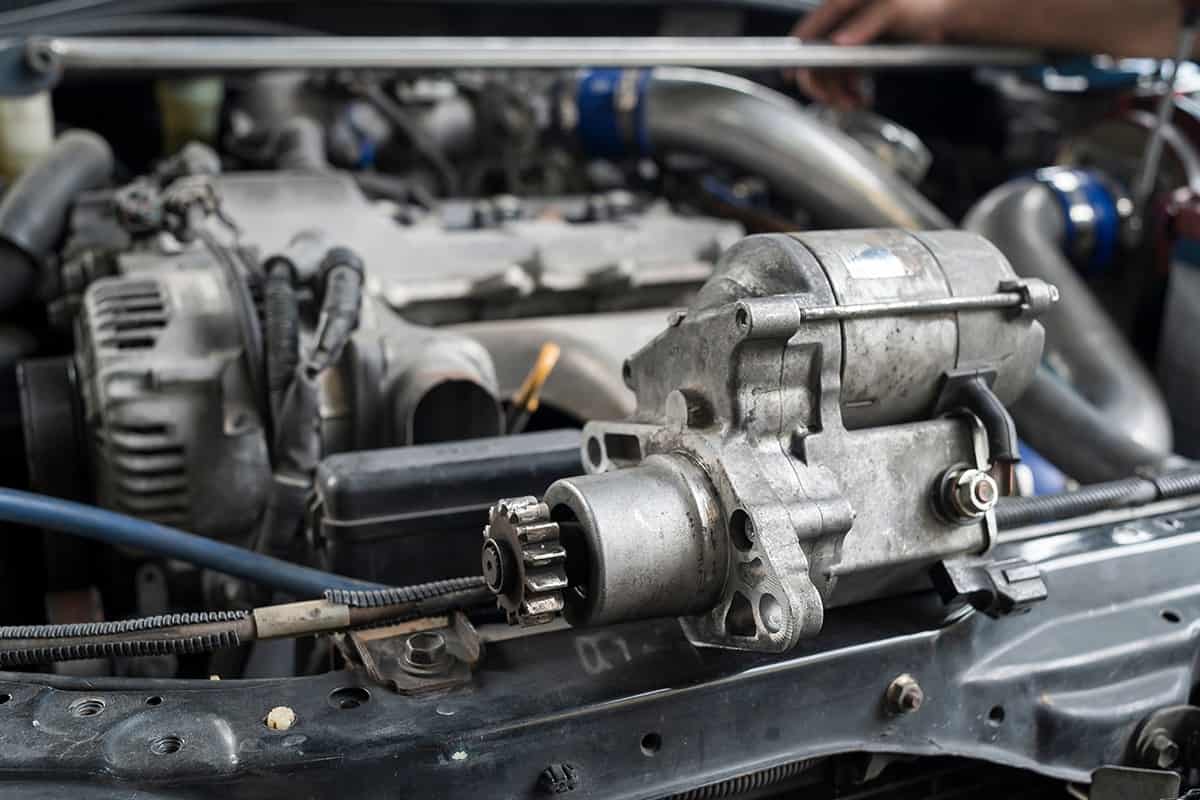
The starter motor is a critical component in your vehicle's starting system. When you turn the key, it's the starter that engages and cranks the engine, allowing it to start. Knowing how long it takes to replace a starter, and understanding the common issues surrounding starters, can save you time, money, and prevent being stranded. Whether you're a seasoned mechanic or a DIY car owner, this guide will provide valuable insights.
How Long Does a Starter Replacement Take?
The time it takes to replace a starter motor can vary depending on several factors, including the vehicle's make and model, the location of the starter, and your level of experience. Generally speaking, a starter replacement can take anywhere from 30 minutes to 3 hours.
For example: A starter replacement on a Honda Civic (a common and relatively straightforward job) might take an experienced mechanic around 30-45 minutes. However, a starter on a larger SUV like a Chevrolet Tahoe or a pickup truck like a Ford F-150, especially one with four-wheel drive, could take 1-2 hours or more due to the starter's location and accessibility. Luxury cars, such as BMWs or Mercedes-Benz, can also present challenges due to complex engine bay layouts, potentially increasing the labor time.
Factors Affecting Replacement Time:
- Vehicle Make and Model: As mentioned above, some cars have easier access to the starter than others.
- Starter Location: Starters can be located in various positions – high up in the engine bay, low down near the exhaust, or even tucked behind other components.
- Rust and Corrosion: Rust and corrosion can seize bolts and connections, making removal difficult and time-consuming.
- Experience Level: A seasoned mechanic will likely be faster than someone with less experience.
- Tools and Equipment: Having the right tools (sockets, wrenches, extensions, penetrating oil, etc.) is crucial for a quick and efficient replacement.
Common Starter Problems and Troubleshooting
Before jumping to a replacement, it's important to diagnose the problem accurately. Here are some common symptoms of a failing starter and potential causes:
Symptom: Clicking Sound When Turning the Key
Possible Causes:
- Low Battery Voltage: The most common cause. The starter isn't getting enough power to engage.
- Corroded Battery Terminals: Corrosion can impede the flow of electricity to the starter.
- Faulty Starter Solenoid: The solenoid is a small electromagnet that engages the starter motor. If it's faulty, it may only click.
- Worn Starter Motor: The motor itself might be worn out.
Solutions:
- Jump Start: Try jump-starting the car. If it starts, the battery is likely the issue.
- Clean Battery Terminals: Disconnect the battery cables and clean the terminals with a wire brush.
- Test the Starter Solenoid: A mechanic can test the solenoid with a multimeter.
- Replace the Starter: If other causes are ruled out, the starter likely needs replacement.
Symptom: No Sound at All When Turning the Key
Possible Causes:
- Dead Battery: The battery might be completely dead.
- Faulty Ignition Switch: The ignition switch might not be sending power to the starter.
- Broken Wiring: A break in the wiring between the battery and the starter.
- Neutral Safety Switch (Automatic Transmissions): This switch prevents the car from starting unless it's in Park or Neutral. It might be faulty.
Solutions:
- Check Battery Voltage: Use a multimeter to check the battery voltage. It should be at least 12.6 volts when fully charged.
- Test the Ignition Switch: A mechanic can test the ignition switch with a multimeter.
- Inspect Wiring: Look for any broken or damaged wires.
- Check Neutral Safety Switch: Try starting the car in Neutral. If it starts, the neutral safety switch might be faulty.
Symptom: Starter Stays Engaged After Engine Starts
Possible Causes:
- Faulty Starter Solenoid: The solenoid might be sticking in the engaged position.
- Ignition Switch Issue: The ignition switch might be sending power to the starter even after the engine has started.
Solutions:
- Replace the Starter: A sticking solenoid usually necessitates starter replacement.
- Check the Ignition Switch: Have a mechanic check the ignition switch.
Real-World Examples
Let's consider some specific examples:
- Toyota Camry: Starter is usually accessible from underneath the car, near the exhaust manifold. Replacement time: 45 minutes to 1 hour.
- Ford Explorer: Depending on the year and engine, the starter can be more challenging to reach, potentially adding to the replacement time. 1 to 2 hours.
- Volkswagen Jetta: Similar to the Camry, the Jetta's starter is generally accessible. Expect a replacement time of around an hour.
Maintenance Tips for a Long-Lasting Starter
While starter motors are durable, proper maintenance can extend their lifespan:
- Keep Your Battery in Good Condition: A healthy battery is essential for a healthy starter. Regularly check and maintain your battery.
- Proper Wiring: Ensure all wiring connections to the starter are clean and tight.
- Avoid Excessive Cranking: Don't crank the engine for extended periods (more than 10-15 seconds) as this can overheat and damage the starter.
- Address Other Engine Issues Promptly: If your engine is hard to start, address the underlying problem (e.g., fuel delivery, ignition) to avoid stressing the starter.
Keeping Your Car in Top Condition
Regular maintenance is key to keeping your car running smoothly and avoiding costly repairs. This includes:
- Following the manufacturer's recommended maintenance schedule.
- Regularly checking fluid levels (oil, coolant, brake fluid, power steering fluid).
- Inspecting belts and hoses for wear and tear.
- Keeping your tires properly inflated.
- Addressing any unusual noises or symptoms promptly.
By understanding the basics of starter motor replacement and practicing preventative maintenance, you can keep your car starting reliably and save money on repairs in the long run. Remember that if you are uncomfortable performing the repair yourself, it is always best to consult a qualified mechanic.