
How Long To Run A Car To Recharge Battery
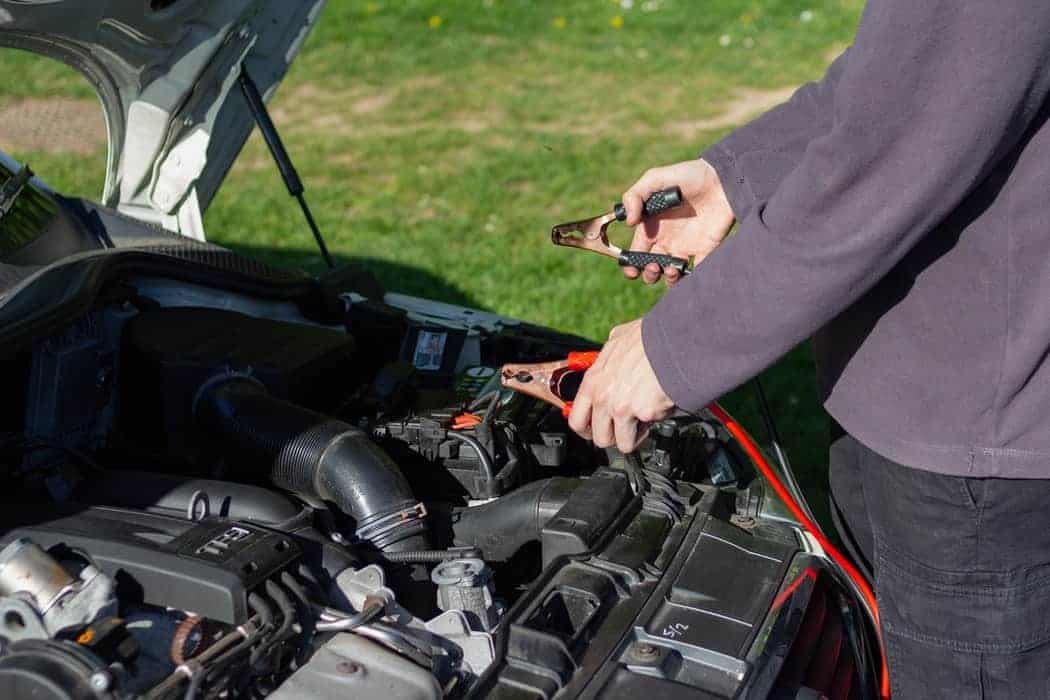
The question of how long to run a car to recharge the battery is surprisingly complex. It’s not as simple as saying “ten minutes” or “half an hour.” The actual time needed depends on several factors, including the battery's state of discharge, the car's charging system health, and the electrical load placed on the engine while it's running. This article delves into the nuances of battery charging, common issues, and maintenance tips to keep your car running smoothly.
Understanding the Car's Charging System
At the heart of the charging process is the alternator. The alternator converts mechanical energy from the engine into electrical energy, which then recharges the battery and powers the car's electrical systems. A healthy alternator is crucial for maintaining a fully charged battery. However, if the alternator is failing, it won't adequately recharge the battery, no matter how long you run the car.
Symptoms of a Failing Alternator:
- Dim headlights or flickering lights
- A warning light on the dashboard (often shaped like a battery)
- Unusual noises from the engine compartment (whining or grinding)
- Difficulty starting the car
- The car stalling or dying while driving
Troubleshooting a Failing Alternator: A simple voltmeter test can help diagnose alternator problems. With the engine running, a healthy alternator should produce around 13.5 to 14.5 volts. If the voltage is significantly lower or higher, the alternator is likely the culprit. For example, a 2015 Honda Civic showing a consistent voltage of 12.5V while running would indicate a potential alternator issue. Similarly, a 2018 Ford F-150 showing 15.5V suggests a problem with the voltage regulator within the alternator. Replacement is usually the best course of action in these situations.
How Long is Enough? Factors Affecting Charging Time
The amount of time required to recharge a car battery varies. A completely dead battery will require significantly more time than a partially discharged one. Also, the charging efficiency decreases as the battery nears full capacity. A good rule of thumb is:
- Slightly Discharged Battery: If the car starts but seems sluggish, running it for 20-30 minutes might be sufficient.
- Moderately Discharged Battery: If the car requires a jump start, running it for at least 30-60 minutes is recommended.
- Severely Discharged Battery: In some cases, even an hour of driving might not fully recharge a deeply discharged battery. In these scenarios, using a trickle charger or battery charger is often more effective.
The Role of Electrical Load: Leaving headlights, air conditioning, or the radio running while idling significantly increases the electrical load on the alternator. This reduces the amount of power available to recharge the battery. To maximize charging efficiency, turn off all unnecessary electrical accessories while recharging.
Example: Imagine you jump-start a 2010 Toyota Corolla. If you immediately turn on the air conditioning and the radio, the alternator will have to work harder to power those systems, diverting power away from recharging the battery. It will take longer to reach a substantial charge.
Common Battery Problems and Solutions
Besides alternator issues, several other problems can lead to battery drain:
- Parasitic Drain: Even when the car is off, certain components continue to draw power. Over time, this can drain the battery. Solution: Use a multimeter to identify the source of the parasitic drain. Common culprits include faulty door switches, aftermarket alarm systems, and improperly installed electronics.
- Old or Damaged Battery: Batteries have a limited lifespan, typically 3-5 years. As they age, their ability to hold a charge diminishes. Solution: Get the battery tested at an auto parts store. If it fails the test, replace it.
- Loose or Corroded Battery Terminals: Dirty or loose terminals can impede the flow of electricity, preventing the battery from charging properly. Solution: Clean the terminals with a wire brush and ensure they are securely tightened. Apply a terminal protectant to prevent future corrosion.
- Frequent Short Trips: Short trips don't give the alternator enough time to fully recharge the battery, especially if the car is using a lot of electricity for lights, heat, etc. Solution: Occasionally take a longer drive to allow the battery to fully charge.
Example: A 2012 Chevrolet Malibu owner reports a constantly dead battery, even after replacing it. After testing, a parasitic draw is discovered due to a faulty trunk light switch. Replacing the switch resolves the issue.
Using a Battery Charger for Optimal Recharging
While running the car can provide a charge, using a dedicated battery charger offers several advantages. Battery chargers provide a controlled and consistent charging current, which can help prolong battery life. They can also revive deeply discharged batteries that a car's alternator might struggle with. Smart chargers are particularly useful, as they automatically adjust the charging rate based on the battery's state of charge, preventing overcharging.
Maintenance Tips for a Healthy Battery
Preventative maintenance is key to ensuring a long and trouble-free battery life:
- Regular Battery Inspections: Check the battery terminals for corrosion and ensure they are clean and tight.
- Battery Load Testing: Have your battery tested regularly, especially as it ages.
- Avoid Leaving Electrical Accessories On: Be mindful of leaving lights or other accessories on when the car is off.
- Use a Battery Tender: If you don't drive your car regularly, consider using a battery tender to maintain a full charge.
- Proper Storage: If storing a car for an extended period, disconnect the battery or use a battery tender.
By understanding the factors that affect battery charging and following these maintenance tips, you can significantly extend the life of your car battery and avoid unexpected breakdowns. Remember that a little proactive care can save you a lot of trouble down the road.