
How Many Lug Nuts On A Standard Car Wheel
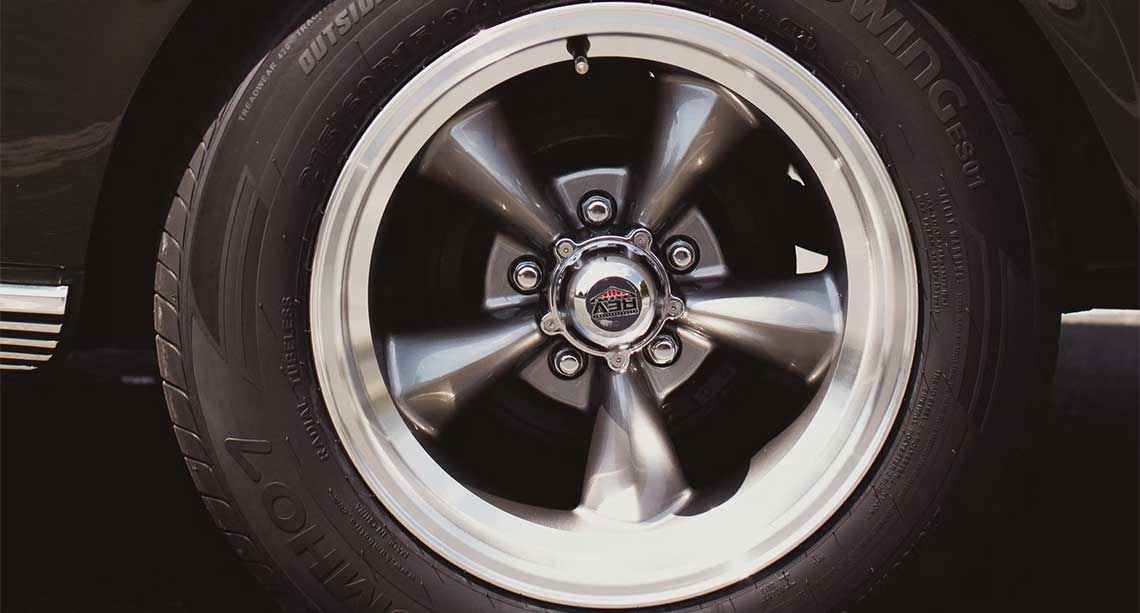
When you glance at a car wheel, one of the most prominent features you'll notice, besides the tire and rim design, is the arrangement of lug nuts. These small, yet crucial components are responsible for securing the wheel to the vehicle's hub. But how many lug nuts does a standard car wheel typically have? The answer, while seemingly simple, involves several factors related to vehicle size, weight, and intended use. Let's delve into the specifics.
The Standard Range: Four, Five, and Six Lug Nuts
The most common configurations you'll encounter are four, five, and six lug nut patterns. The number of lug nuts is directly related to the vehicle's Gross Vehicle Weight Rating (GVWR) and the loads the wheel needs to handle. The GVWR dictates the maximum weight a vehicle can safely operate with, including the vehicle itself, passengers, and cargo. Higher GVWRs generally require more lug nuts for increased strength and safety.
- Four Lug Nuts: Commonly found on smaller, lighter vehicles such as compact cars and subcompact cars. These are adequate for vehicles with lower GVWRs and less demanding performance requirements. For example, older model Honda Civics or Mazda Miatas often utilize a four-lug nut pattern.
- Five Lug Nuts: This is arguably the most widespread configuration, seen on a vast array of vehicles, including sedans, coupes, smaller SUVs, and light trucks. The five-lug pattern provides a good balance between strength and ease of manufacturing. The Toyota Camry, Ford Explorer, and many BMW models are common examples.
- Six Lug Nuts: Primarily used on larger vehicles like mid-size trucks, SUVs, and vans. The increased number of lug nuts is necessary to manage the higher loads and stresses associated with heavier vehicles and their payloads. Think of trucks like the Toyota Tacoma, Chevrolet Colorado, and older Ford Broncos.
Beyond the Standard: Less Common Configurations
While four, five, and six are the most frequently seen, there are exceptions. You might occasionally encounter vehicles with three, seven, or even eight lug nuts, especially in specialized applications.
- Three Lug Nuts: Extremely rare in modern passenger vehicles. You might find this configuration on very small, lightweight vehicles like certain microcars or specialized industrial equipment.
- Seven or Eight Lug Nuts: Typically reserved for heavy-duty trucks, commercial vehicles, and some high-performance applications. These configurations are designed to withstand extreme loads and provide maximum wheel security. Large pickup trucks like the Ford F-250 or Ram 2500 often use an eight-lug pattern.
The Importance of Proper Torque and Maintenance
Regardless of the number of lug nuts, proper installation and maintenance are paramount. Torque is the twisting force applied when tightening the lug nuts. Using a torque wrench to tighten lug nuts to the manufacturer's specified torque is crucial. Under-tightening can lead to wheel detachment, while over-tightening can damage the studs or warp the wheel rotor or hub.
It's also vital to re-torque the lug nuts after the first 50-100 miles following a wheel change or installation. This is because the initial tightening can sometimes allow for slight settling or compression of the wheel and hub surfaces. A follow-up torque check ensures the lug nuts remain securely fastened.
Lug Bolt vs. Lug Nut: A Key Distinction
It's important to differentiate between lug nuts and lug bolts. While both serve the same purpose of securing the wheel, their design and application differ. Lug nuts thread onto studs that are permanently attached to the wheel hub. Lug bolts, on the other hand, thread directly into the wheel hub itself. European manufacturers, such as Mercedes-Benz and Volkswagen, often utilize lug bolts instead of lug nuts.
Conclusion
In summary, the number of lug nuts on a standard car wheel typically ranges from four to six, depending primarily on the vehicle's size, weight, and intended use. While exceptions exist, these configurations cover the vast majority of passenger vehicles on the road. Proper torque and regular maintenance are essential to ensure wheel security and prevent potential hazards. Whether you're a seasoned mechanic or simply a car enthusiast, understanding the role of lug nuts is a fundamental aspect of automotive knowledge.