
How Many Miles Before Changing Brake Pads
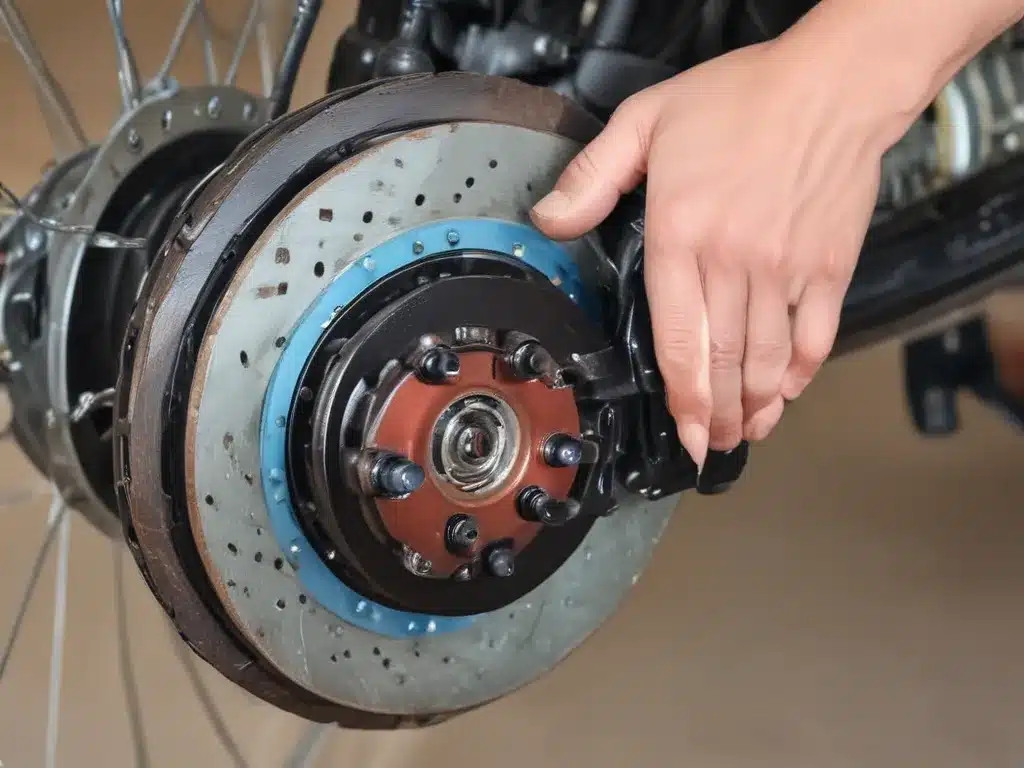
Understanding when to replace your brake pads is crucial for safe driving and preventing costly vehicle repairs. While there's no magic number, knowing the factors that influence brake pad wear and how to identify the warning signs can help you stay ahead of potential problems. This article provides a comprehensive guide to help you determine how many miles you can expect from your brake pads and when it's time for a replacement.
How Many Miles Do Brake Pads Typically Last?
A common question among drivers is: "How many miles before changing brake pads?" The answer isn't straightforward. Generally, brake pads can last anywhere from 25,000 to 70,000 miles. However, this is a wide range, and the actual lifespan depends on several factors that we'll explore in detail below.
It's important to remember that this is just an estimate. Some drivers may need to replace their brake pads more frequently, while others may get significantly more mileage out of them. Regular inspection and awareness of driving habits are key to determining the right time for a brake pad replacement.
Factors Affecting Brake Pad Lifespan
Several factors can significantly impact how long your brake pads will last. Understanding these factors will help you better predict when you'll need a replacement:
Driving Habits
Your driving style has the most significant impact on brake pad wear. Aggressive driving, characterized by frequent hard braking and rapid acceleration, will wear down your brake pads much faster than gentle, gradual braking. City driving, with its stop-and-go traffic, typically requires more frequent braking than highway driving, leading to quicker wear. Anticipating traffic and allowing for coasting can help extend the life of your brake pads.
Pro Tip: Avoid "riding" the brakes, which means keeping your foot lightly on the brake pedal even when not actively slowing down. This generates unnecessary heat and friction, accelerating wear.
Type of Brake Pad
Different types of brake pads have varying lifespans. The most common types include:
- Organic Brake Pads: Made from organic materials like rubber, carbon, and glass, these pads are quieter and gentler on rotors but wear down faster than other types. They're often found on smaller, lighter vehicles.
- Semi-Metallic Brake Pads: These pads contain a mix of metal and organic materials. They offer a good balance of stopping power and durability, making them a popular choice for many vehicles.
- Ceramic Brake Pads: Made from ceramic fibers and non-ferrous materials, these pads are known for their excellent stopping power, quiet operation, and long lifespan. They're typically more expensive than other types.
Choosing the right type of brake pad for your vehicle and driving style can significantly impact its lifespan. Consult with a mechanic to determine the best option for your needs.
Vehicle Type and Weight
Larger, heavier vehicles require more braking force to stop, which puts more stress on the brake pads. Therefore, trucks, SUVs, and vans will typically wear through brake pads faster than smaller, lighter cars. The weight of the vehicle directly correlates to the amount of friction required to bring it to a stop, and that friction translates to wear on the brake pads.
Road Conditions
Driving in hilly or mountainous areas requires more frequent braking, leading to faster wear. Similarly, driving on rough or unpaved roads can introduce debris and contaminants that can accelerate brake pad wear. These contaminants can get lodged between the pad and the rotor, causing increased friction and abrasion.
Rotor Condition
The condition of your brake rotors also affects brake pad lifespan. Worn or damaged rotors can cause uneven wear on the brake pads, reducing their lifespan. It's crucial to have your rotors inspected regularly and resurfaced or replaced when necessary. Properly maintained rotors will ensure even contact and extend the life of your brake pads.
Warning Signs You Need New Brake Pads
While mileage estimates are helpful, the best way to determine if you need new brake pads is to look for the following warning signs:
- Squealing or Screeching Noises: Many brake pads have a built-in wear indicator that makes a squealing noise when the pads are nearing the end of their lifespan. This is a clear indication that it's time for a replacement.
- Grinding Noises: If you hear a grinding noise when braking, it means the brake pads are completely worn down, and the metal backing plate is rubbing against the rotor. This can cause significant damage to the rotors and requires immediate attention.
- Reduced Braking Performance: If you notice that your car takes longer to stop or requires more pressure on the brake pedal, it could be a sign of worn brake pads.
- Vibrating or Pulsating Brake Pedal: This could indicate warped rotors or uneven brake pad wear.
- Visible Thinning of Brake Pads: You can visually inspect your brake pads through the wheel spokes. If the brake pad material is less than ¼ inch thick, it's time for a replacement.
- Brake Pad Warning Light: Many modern vehicles have a brake pad wear sensor that will illuminate a warning light on the dashboard when the pads are worn down.
If you experience any of these warning signs, it's essential to have your brakes inspected by a qualified mechanic as soon as possible.
Regular Brake Inspections
The best way to ensure your brakes are in good working order and to prevent potential problems is to have them inspected regularly. A qualified mechanic can assess the condition of your brake pads, rotors, calipers, and brake lines and recommend any necessary repairs or replacements.
It's generally recommended to have your brakes inspected at least once a year, or more frequently if you do a lot of driving or frequently experience heavy braking.
Cost of Brake Pad Replacement
The cost of brake pad replacement can vary depending on the type of vehicle, the type of brake pads used, and the labor rates in your area. Generally, you can expect to pay anywhere from $150 to $300 per axle for brake pad replacement. This typically includes the cost of the new brake pads and the labor to install them.
It's important to get quotes from multiple mechanics before having your brake pads replaced to ensure you're getting a fair price. Also, ask about the warranty on the brake pads and labor.
Extending the Life of Your Brake Pads
While brake pad replacement is inevitable, there are several things you can do to extend their lifespan:
- Practice Smooth Driving: Avoid aggressive braking and acceleration. Anticipate traffic and allow for coasting.
- Avoid Riding the Brakes: Take your foot completely off the brake pedal when not actively slowing down.
- Keep Your Vehicle Light: Avoid carrying unnecessary weight in your vehicle, as this puts extra stress on the brakes.
- Maintain Your Brakes: Have your brakes inspected regularly and address any problems promptly.
- Choose the Right Brake Pads: Select brake pads that are appropriate for your vehicle and driving style.
By following these tips, you can help extend the life of your brake pads and save money on replacement costs.
Conclusion
Knowing how many miles before changing brake pads is a helpful starting point, but ultimately, monitoring your brakes for warning signs and having them inspected regularly is crucial for safe driving. Remember that driving habits, brake pad type, vehicle weight, and road conditions all play a role in brake pad lifespan. By being proactive and attentive, you can ensure your brakes are always in good working order and avoid potential accidents.