
How Many Miles Can You Go On A Spare Tire
So, you've got a flat. Not ideal, but thankfully, you have a spare. But how far can you really go on that temporary tire before you're stranded again? The answer isn't as straightforward as you might think. Several factors play a crucial role, including the type of spare tire you have, your driving habits, and road conditions.
Understanding Your Spare Tire Type
First, let's break down the different types of spare tires. The most common are:
- Temporary Spares (Donut): These are the small, lightweight spares designed for short-term use. They're significantly smaller than your standard tires and are intended to get you to a repair shop, not to cross the country.
- Full-Size Matching Spares: As the name suggests, these spares are the same size and type as your regular tires. However, they might still have limitations if they're older or haven't been properly maintained.
- Full-Size Non-Matching Spares: These spares are full-size but may have a different tire brand or tread pattern than your other tires. They offer better performance than a donut but still require caution.
The type of spare you have drastically impacts the mileage you can safely travel. The vast majority of modern cars come equipped with a temporary spare tire. These are designed for emergency use only, prioritizing space and weight savings over long-distance travel capabilities.
The Donut's Distance Dilemma
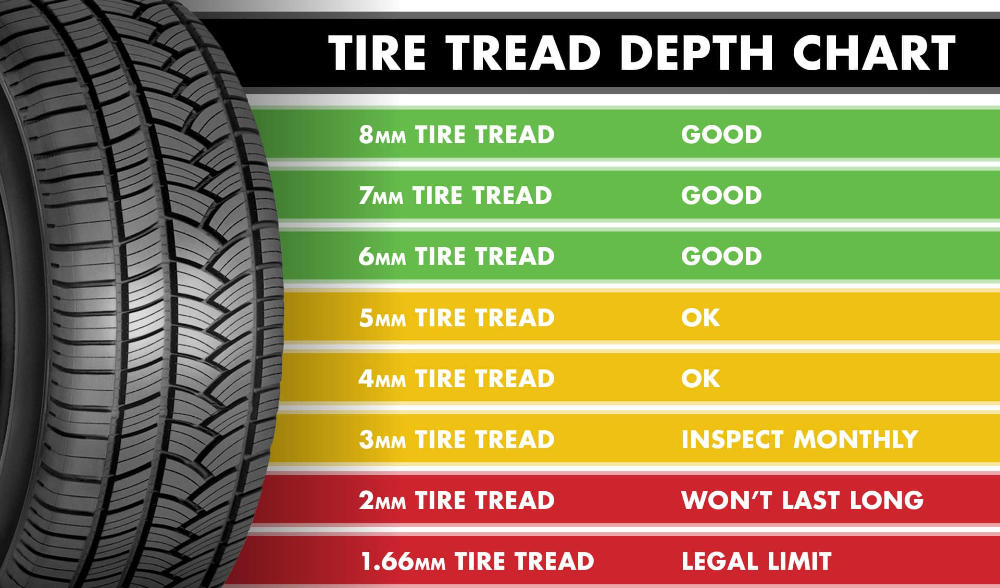
Those compact, often bright yellow (or another highly visible color) spare tires are commonly referred to as "donuts." They typically have a shallower tread depth and are made of lighter materials, making them less durable than standard tires. Manufacturers usually recommend a maximum speed of 50 mph (80 km/h) and a distance of no more than 50-70 miles (80-113 km) on a donut. Exceeding these limits dramatically increases the risk of tire failure, which could lead to loss of control and a potentially dangerous accident.
Why the limitations? Donut spares are designed to be a temporary fix, not a long-term solution. Their construction makes them more susceptible to overheating and damage, particularly at higher speeds. Driving on a donut can also negatively affect your vehicle's handling and braking performance. The reduced diameter of the spare compared to your other tires can also strain your vehicle's drivetrain components, especially on vehicles with all-wheel drive or 4-wheel drive. Operating a vehicle with mismatched tire sizes for extended periods can cause damage to the differential, a complex gear system that allows wheels to rotate at different speeds during turns.
Full-Size Spares: Less Worry, But Still Cautions
If you're fortunate enough to have a full-size spare, you have more leeway. A full-size matching spare, properly inflated and in good condition, can be used essentially as you would use any other tire on your vehicle. However, even with a full-size spare, it's wise to get your damaged tire repaired or replaced as soon as possible. A full-size non-matching spare offers a compromise. It's safer for longer distances than a donut, but the different tread pattern or brand can still affect handling and braking, especially in wet or snowy conditions. Be mindful of this and adjust your driving accordingly.
Beyond the Mileage: Factors Affecting Spare Tire Life
Regardless of the type of spare tire, several factors can impact its lifespan:
- Tire Pressure: Always check the tire pressure of your spare before using it. Underinflation can lead to overheating and premature wear. Temporary spares often require higher inflation pressures than standard tires (typically around 60 psi), so consult your vehicle's owner's manual or the tire sidewall for the correct pressure.
- Road Conditions: Rough roads, potholes, and debris can all accelerate wear and tear on your spare tire.
- Driving Habits: Aggressive driving, such as hard braking and rapid acceleration, will put extra stress on your spare tire.
- Age: Even if a spare tire has never been used, the rubber can degrade over time. Check the date code on the tire sidewall to determine its age. A tire older than six years should be inspected by a professional before use.
The Bottom Line
In short, know your spare. If it's a donut, aim for under 70 miles at 50 mph or less. If it's a full-size spare, use it as a regular tire, but still prioritize getting your damaged tire repaired or replaced. Regular tire maintenance, including checking tire pressure and tread depth, is crucial for safety and extending tire life. Don't neglect your spare! Treat it like any other critical component of your vehicle, and it will be there to help you when you need it most. Remember to consult your vehicle's owner's manual for specific recommendations regarding your spare tire.