
How Many Miles Can You Go Past Oil Change
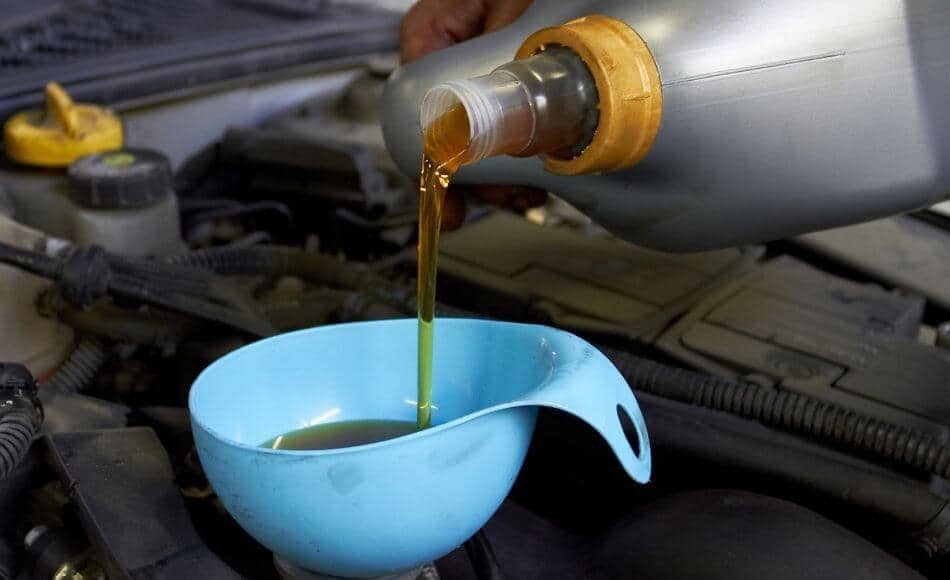
The age-old question for every driver, from the weekend enthusiast to the daily commuter: How far can I really push it past that oil change sticker? In the past, the answer was often a nervous shrug and a vague "better safe than sorry." But the automotive landscape is undergoing a radical transformation, and with it, the very notion of oil change intervals is being redefined. As we accelerate toward electric vehicles (EVs), embrace sophisticated hybrid systems, and integrate smart automotive solutions, understanding the future of engine lubrication and maintenance becomes paramount.
The Legacy of the 3,000-Mile Myth
For decades, the 3,000-mile oil change was gospel. Passed down through generations, it instilled a fear of engine failure fueled by aggressive marketing campaigns and a general lack of readily available information. While frequent changes were beneficial for older, less refined engines and conventional mineral oils, modern engines and synthetic lubricants have shattered this arbitrary limit. Many manufacturers now recommend oil change intervals of 7,500 to 10,000 miles, and some even extend to 15,000 miles under normal driving conditions. The advent of sophisticated oil life monitoring systems (OLMS), which analyze driving habits, temperature, and engine load to determine oil degradation, further complicates the equation. These systems provide a far more accurate assessment of oil condition than a simple mileage-based reminder.
The Rise of Electric and Hybrid Powertrains
The most significant disruption to the traditional oil change paradigm comes from the increasing adoption of electric vehicles. EVs, by their very nature, eliminate the need for engine oil altogether. The absence of an internal combustion engine (ICE) removes the requirement for lubrication, cooling, and the myriad other functions that oil performs. This represents a monumental shift in automotive maintenance, drastically reducing the frequency and complexity of service visits. However, even in a future dominated by EVs, hybrid systems will continue to play a vital role. These vehicles, which combine electric motors with downsized ICEs, present a unique set of challenges and opportunities. While the electric motor handles much of the workload, the engine still requires lubrication, albeit under potentially less demanding conditions. The integration of advanced sensors and AI-powered algorithms will be crucial in optimizing oil change intervals for hybrid vehicles, ensuring maximum efficiency and engine longevity.
Smart Automotive Solutions and Predictive Maintenance
The future of automotive maintenance hinges on the power of data. Smart automotive solutions, equipped with an array of sensors and connected to the cloud, are capable of collecting vast amounts of data on engine performance, oil condition, and driving habits. This data can be analyzed to predict potential problems before they occur, enabling proactive maintenance and minimizing downtime. Imagine a scenario where your car automatically alerts you to a potential oil degradation issue based on real-time analysis of oil viscosity, TBN (Total Base Number), and oxidation levels. This is the promise of predictive maintenance, a transformative approach that moves away from reactive fixes and towards preventative care. Furthermore, advancements in oil sensor technology are leading to smaller, more accurate, and more durable sensors that can be seamlessly integrated into engine design.
Challenges and Considerations
While the future looks bright, several challenges remain. The widespread adoption of advanced oil monitoring systems and predictive maintenance requires robust data infrastructure and secure data transmission. Concerns about data privacy and cybersecurity must be addressed to build trust and encourage widespread adoption. Furthermore, the complexity of modern engines and lubricants requires specialized knowledge and training for technicians. As vehicles become increasingly sophisticated, the need for skilled automotive professionals will only grow. Another key challenge is ensuring that consumers understand the evolving landscape of oil change intervals. Combating ingrained habits and disseminating accurate information will be crucial in maximizing the benefits of new technologies. Finally, the environmental impact of used oil disposal remains a concern. Efforts to improve oil recycling and develop more sustainable lubricants are essential for minimizing the environmental footprint of the automotive industry.
A Vision of the Future
The future of automotive maintenance is one of proactive care, data-driven insights, and optimized resource utilization. The days of arbitrary oil change intervals are numbered, replaced by a system that dynamically adjusts to individual driving conditions and engine health. Electric vehicles will continue to reshape the landscape, reducing the reliance on traditional lubricants and paving the way for a cleaner, more sustainable transportation future. As we embrace the power of smart automotive solutions and predictive maintenance, we can unlock a new era of vehicle reliability, efficiency, and longevity. Imagine a world where your car anticipates its own needs, scheduling maintenance appointments automatically and optimizing its performance for maximum efficiency. This is not just a dream, but a glimpse into the near future of mobility – a future where your car is not just a vehicle, but a smart, connected, and self-aware partner on the road ahead.