
How Many Miles Do Brake Pads Usually Last
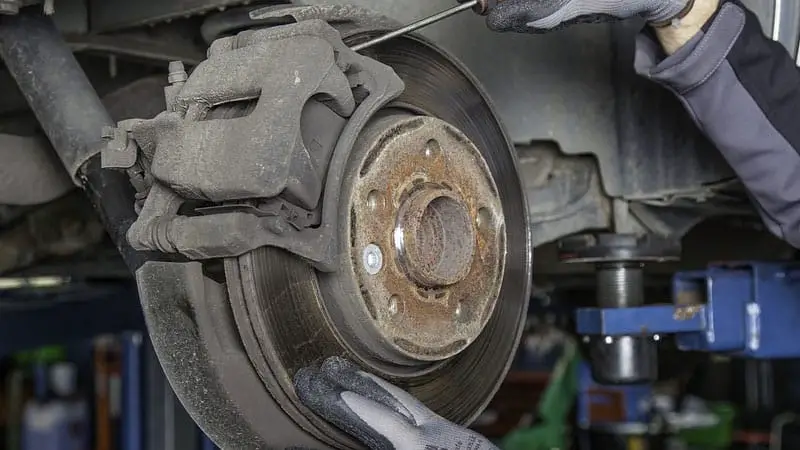
Brake pads: the unsung heroes of your car's stopping power. We rarely think about them until they start squealing or, worse, failing to bring us to a safe halt. Understanding their lifespan is crucial for responsible car ownership and preventative maintenance. So, how many miles do brake pads usually last? The answer, unfortunately, isn't a simple number. It's a complex equation influenced by several factors.
Factors Affecting Brake Pad Lifespan
While a common estimate pegs brake pad life between 30,000 and 70,000 miles, this is a broad range. Let's break down the key variables that determine how long your brake pads will truly endure:
- Driving Habits: This is arguably the biggest influence. Aggressive driving, characterized by hard braking and frequent acceleration/deceleration (stop-and-go traffic is a prime example), wears down brake pads much faster. Gentle, anticipatory driving extends their life significantly. Imagine a delivery driver in a city center versus a long-haul trucker on mostly highway roads; their brake pad replacement intervals will be drastically different.
- Driving Environment: City driving, with its constant braking, takes a toll. Highway driving, with fewer stops, is far less demanding. Furthermore, hilly or mountainous terrain necessitates more frequent braking, reducing pad life. Also, dirt, sand, and road salt can accelerate wear by acting as abrasives.
- Brake Pad Material: Brake pads come in various materials, each with its own wear characteristics. Organic brake pads (also known as non-asbestos organic or NAO) are typically softer and quieter, but they wear down faster and produce more brake dust. Semi-metallic brake pads are a good all-around choice, offering a balance of performance and longevity. Ceramic brake pads are the most expensive option, but they offer excellent braking performance, low noise, and long life. Metallic brake pads are typically for heavier vehicles or performance cars. Understanding the type of pad installed in your vehicle is paramount.
- Vehicle Type: A heavy SUV requires more braking force than a small, lightweight sedan. Consequently, the SUV's brake pads will generally wear out faster. Similarly, a vehicle with a powerful engine will likely experience more aggressive braking, reducing pad lifespan.
- Brake Caliper Condition: A sticky or malfunctioning brake caliper can cause uneven pad wear or constant pressure on the rotor, dramatically shortening brake pad life. Regular inspections and maintenance of the brake calipers are crucial.
- Rotor Condition: Warped or damaged brake rotors can accelerate brake pad wear. It's often recommended to replace rotors when replacing brake pads, ensuring a smooth and consistent braking surface.
Recognizing the Signs of Brake Pad Wear
Waiting for a catastrophic failure is not an option. Be vigilant and pay attention to the following warning signs:
- Squealing or Screeching Noises: Many brake pads have a built-in wear indicator that emits a high-pitched squeal when the pads reach their minimum thickness. This is your car politely telling you it's time for a brake job.
- Grinding Noises: This is a serious warning sign indicating that the brake pads are completely worn down, and the metal backing plate is rubbing against the rotor. This can cause significant damage to the rotors and should be addressed immediately.
- Reduced Braking Performance: If your car takes longer to stop or requires more pedal pressure, it could be a sign of worn brake pads.
- Vibration or Pulsation in the Brake Pedal: This could indicate warped rotors or uneven pad wear.
- Visual Inspection: Regularly inspect your brake pads through the wheel spokes. If the pad material is thin (less than 1/4 inch), it's time to replace them.
Extending Your Brake Pad Life
While wear is inevitable, you can take steps to maximize the lifespan of your brake pads:
- Practice Smooth Driving: Avoid aggressive acceleration and hard braking. Anticipate traffic flow and coast whenever possible.
- Regular Brake Inspections: Have your brakes inspected by a qualified mechanic at least once a year or every 12,000 miles.
- Proper Maintenance: Keep your brake calipers clean and lubricated. Address any issues with the rotors promptly.
- Choose Quality Brake Pads: Opt for reputable brands and materials that are appropriate for your vehicle and driving style. Consult with your mechanic for recommendations.
Conclusion
The lifespan of your brake pads is a dynamic value, influenced by a multitude of factors. By understanding these factors and adopting responsible driving habits, you can significantly extend their life, ensuring safer and more cost-effective motoring. Remember, proactive maintenance and a keen awareness of your vehicle's signals are key to preventing brake-related problems and ensuring your safety on the road. Don't wait for the screeching; be proactive with your brake system maintenance.