
How Many Miles Will A Nissan Rogue Last
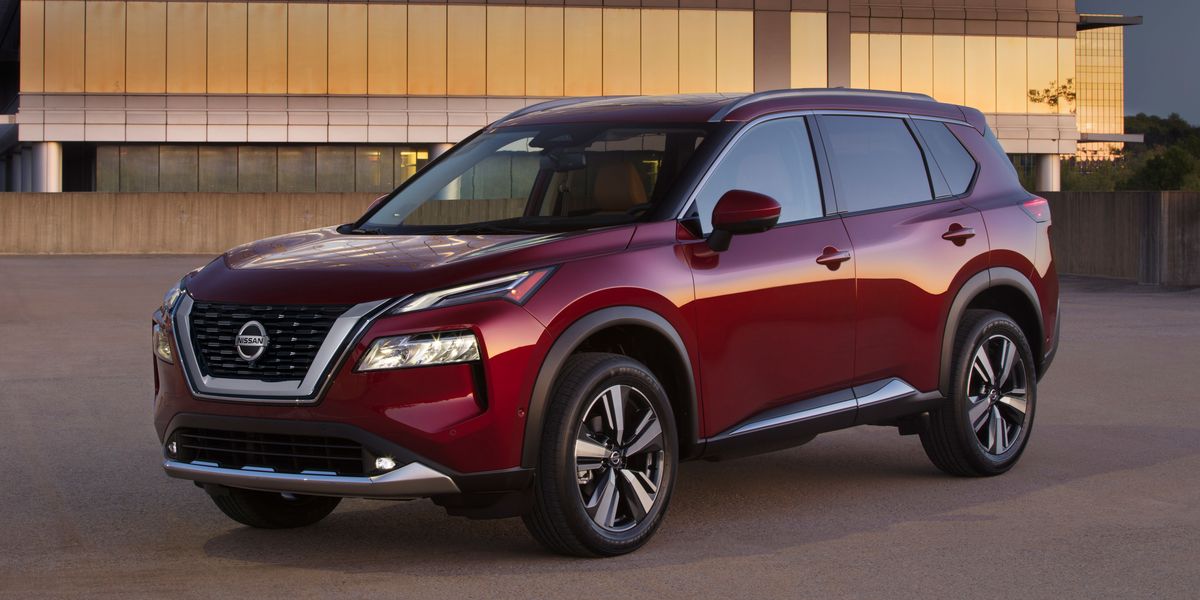
The Nissan Rogue. A ubiquitous sight on American roads, ferrying families, groceries, and dreams of weekend adventures. But beyond its popularity, a crucial question lingers in the minds of potential buyers and current owners alike: How many miles will a Nissan Rogue really last? The answer, as with most things automotive, isn't a simple number. It's a complex equation involving model year, engine type, driving habits, and, crucially, maintenance. Let's dive deep and dissect the Rogue's longevity, separating fact from fiction and empowering you with the knowledge to maximize its lifespan.
Model Year Matters: A Rogue by Any Other Name (Might Last Longer)
The Rogue has undergone significant transformations throughout its production run. While the core concept remains the same – a compact crossover SUV – the technology and engineering have evolved. This evolution directly impacts potential lifespan. We'll break down the key generations and their associated longevity reputations:
First Generation (2008-2014): The Reliable Workhorse
The original Rogue. Simple, relatively inexpensive, and powered by a 2.5L QR25DE inline-4 engine. These Rogues, while not brimming with cutting-edge tech, are known for their robust (albeit somewhat unrefined) nature. Their primary weakness? The CVT transmission.
Real-world Impression: These Rogues are like that old, reliable pickup truck your neighbor owns. They aren't flashy, but they get the job done. Expect a slightly harsher ride and more noticeable engine noise compared to newer models.
Spec Table:
| Feature | Specification |
|---|---|
| Engine | 2.5L QR25DE Inline-4 |
| Transmission | CVT (Continuously Variable Transmission) |
| Typical Mileage Range Before Major Issues | 150,000 - 200,000 miles (with proper CVT maintenance) |
| Key Concerns | CVT failure, Oil Consumption (in some cases) |
- Pros: Relatively simple mechanics, readily available and affordable parts, decent fuel economy.
- Cons: CVT prone to issues, less refined ride, outdated technology.
Second Generation (2014-2020): The Refined Cruiser (Mostly)
A major redesign brought a more sophisticated look, improved interior, and enhanced fuel economy. The engine remained largely the same (2.5L QR25DE), but Nissan focused on refining the driving experience. The CVT, however, remained a potential Achilles' heel, though Nissan made some improvements over the years.
Real-world Impression: The second-generation Rogue is a noticeable step up in terms of comfort and technology. It's a more pleasant daily driver, but diligent CVT maintenance is still paramount.
Spec Table:
| Feature | Specification |
|---|---|
| Engine | 2.5L QR25DE Inline-4 |
| Transmission | CVT (Continuously Variable Transmission) |
| Typical Mileage Range Before Major Issues | 180,000 - 250,000 miles (with diligent CVT maintenance) |
| Key Concerns | CVT failure, Electronic gremlins (particularly in early models) |
- Pros: More refined ride, improved fuel economy, modern interior.
- Cons: CVT remains a concern, potential for electronic issues.
Third Generation (2021-Present): The Turbocharged Leap
A complete overhaul marked the arrival of the third-generation Rogue. Gone was the 2.5L QR25DE, replaced by a 1.5L VC-Turbo three-cylinder engine. This marked a significant departure, promising improved fuel economy and more torque. Early reports are promising, but the long-term reliability of this engine is still being assessed.
Real-world Impression: The new Rogue feels like a completely different vehicle. The VC-Turbo provides a surprisingly punchy performance, and the interior is a class above previous generations. The long-term reliability remains the big question mark.
Spec Table:
| Feature | Specification |
|---|---|
| Engine | 1.5L VC-Turbo Inline-3 |
| Transmission | CVT (Continuously Variable Transmission) |
| Typical Mileage Range Before Major Issues | (Too early to definitively say - estimated 200,000+ miles with proper maintenance) |
| Key Concerns | Long-term reliability of the VC-Turbo engine, CVT longevity with increased power. |
- Pros: Excellent fuel economy, strong low-end torque, modern technology, premium interior.
- Cons: Long-term reliability is unknown, potential for turbo-related issues, CVT handling more power.
The Elephant in the Room: The CVT (Continuously Variable Transmission)
The CVT is arguably the most crucial factor influencing Rogue longevity. While CVTs offer smooth acceleration and excellent fuel economy, they have a reputation for being less durable than traditional automatic transmissions. This is especially true if they're not properly maintained.
Key CVT Maintenance Tips:
- Fluid Changes: Adhere to Nissan's recommended CVT fluid change intervals religiously. Many mechanics recommend even more frequent changes, especially if you drive aggressively or tow regularly.
- Avoid Overheating: CVTs are sensitive to overheating. Avoid prolonged high-speed driving in hot weather, and consider installing an aftermarket CVT cooler if you frequently tow.
- Drive Sensibly: Gentle acceleration and avoiding sudden stops can significantly extend CVT life.
Beyond the Transmission: Other Factors Affecting Rogue Lifespan
The CVT isn't the only component dictating a Rogue's lifespan. Here are other crucial factors:
- Regular Maintenance: Oil changes, filter replacements, brake service – these are the cornerstones of any vehicle's longevity.
- Driving Habits: Aggressive driving, frequent short trips, and neglecting warning signs can all shorten a Rogue's lifespan.
- Climate: Harsh weather conditions, such as extreme heat or cold, can accelerate wear and tear on various components.
- Accidents: Even minor accidents can compromise the structural integrity of the vehicle and lead to premature failure.
The Bottom Line: How Many Miles Can You Expect?
With diligent maintenance and sensible driving habits, a Nissan Rogue can realistically last 200,000 to 250,000 miles or even more. However, neglecting maintenance, particularly CVT fluid changes, can significantly shorten its lifespan. The third-generation Rogues with the VC-Turbo engine are still relatively new, so their long-term reliability remains to be seen, but early signs are promising. The key is proactive maintenance and addressing any issues promptly.
Ultimately, the lifespan of your Nissan Rogue is in your hands. Treat it well, and it will likely reward you with years of reliable service.
Now, let's ignite the debate! Do you think the new VC-Turbo engine will prove more or less reliable than the older 2.5L QR25DE in the long run? Share your predictions and experiences in the comments below!