
How Many Spark Plugs Does A 5.7 Hemi Have
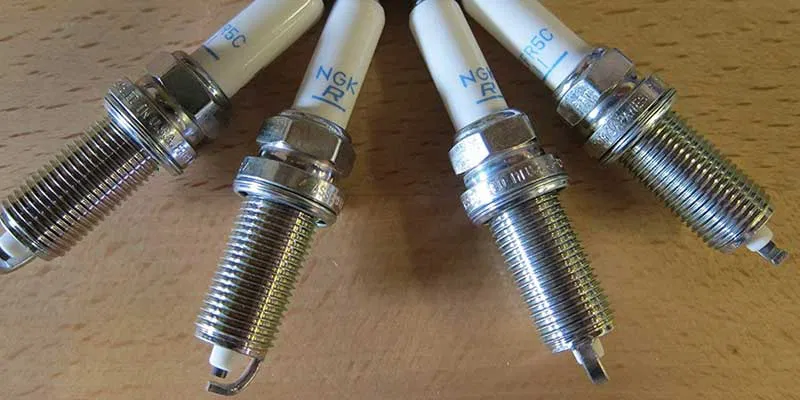
The 5.7L Hemi engine is a powerhouse found in many popular vehicles, particularly those from Chrysler, Dodge, and Ram. It's known for its robust performance and distinctive sound. One of the most common questions asked by owners and enthusiasts is: how many spark plugs does this engine have? The answer is 16. But understanding *why* it has so many and what role they play requires a bit more explanation.
Understanding the Basics: Spark Plugs and Internal Combustion
To grasp why a 5.7L Hemi needs 16 spark plugs, we need to understand the fundamental role spark plugs play in an internal combustion engine. Simply put, spark plugs are the ignition source. They deliver the electrical spark that ignites the air-fuel mixture inside the engine's cylinders. This ignition creates an explosion, which forces the piston down, turning the crankshaft, and ultimately powering the wheels. Without spark plugs, the engine simply wouldn't run.
A typical engine design has one spark plug per cylinder. So, a four-cylinder engine has four spark plugs, a six-cylinder engine has six spark plugs, and so on. So why does the 5.7L Hemi, which is a V8 (meaning it has eight cylinders), have *two* spark plugs per cylinder?
The Hemi Difference: Two Spark Plugs for Efficiency and Power
The key lies in the "Hemi" designation itself. "Hemi" stands for hemispherical combustion chamber. This refers to the shape of the combustion chamber located in the cylinder head. In a Hemi engine, the top of the piston and the combustion chamber form a near-hemispherical shape. This design has several advantages, primarily increased valve size and placement which allows for improved airflow into and out of the cylinder. More airflow means more power potential.
However, the hemispherical shape also creates a challenge. Because the combustion chamber is wider and shallower than a traditional wedge-shaped chamber, the air-fuel mixture is more spread out. Lighting this mixture with a single spark plug would result in a less complete and less efficient burn. This is where the second spark plug comes into play.
The Benefits of Dual Ignition
By using two spark plugs per cylinder, the 5.7L Hemi achieves several key benefits:
- More Complete Combustion: Two spark plugs ignite the air-fuel mixture at two different points, ensuring a more thorough and complete burn. This leads to greater efficiency and reduced emissions.
- Increased Power Output: A more complete burn extracts more energy from the fuel, resulting in increased horsepower and torque.
- Reduced Knocking: By igniting the mixture at two points, the combustion process is more controlled, reducing the likelihood of engine knocking or pinging. Knocking occurs when the air-fuel mixture ignites prematurely or unevenly, which can damage the engine.
- Improved Idle and Drivability: The more consistent and complete combustion provided by dual ignition helps the engine idle smoothly and improves overall drivability.
Think of it like lighting a campfire. If you only light the kindling in one spot, it will eventually catch, but it's more efficient and faster to light it in two or three places. The same principle applies to the combustion process in the 5.7L Hemi.
Examples in the Real World
The 5.7L Hemi engine is used in a wide variety of vehicles, including:
- Dodge Challenger and Charger: Known for their muscular styling and performance, these cars leverage the Hemi's power to deliver thrilling acceleration.
- Chrysler 300: Offering a blend of luxury and performance, the Chrysler 300 provides a comfortable and refined driving experience with the Hemi under the hood.
- Ram 1500: This popular pickup truck utilizes the 5.7L Hemi for its impressive towing and hauling capabilities.
- Dodge Durango: As a capable SUV, the Durango relies on the Hemi's power to handle demanding tasks and provide confident performance.
In each of these applications, the dual-spark-plug design of the 5.7L Hemi contributes to the engine's overall performance, efficiency, and reliability. Consider the Dodge Challenger R/T. Without the dual ignition system maximizing combustion, the engine wouldn't be able to deliver its advertised horsepower and torque figures as effectively.
Spark Plug Maintenance and Replacement
Because the 5.7L Hemi has twice as many spark plugs as a typical V8, maintaining them is a bit more involved. It's crucial to follow the manufacturer's recommended maintenance schedule for spark plug replacement. Generally, spark plugs should be replaced every 30,000 to 100,000 miles, depending on the type of spark plug used (e.g., copper, platinum, iridium). Consult your owner's manual for the specific interval recommended for your vehicle.
When replacing spark plugs, it's important to use the correct type and gap specified by the manufacturer. Using the wrong spark plugs can negatively impact engine performance and fuel efficiency. A properly gapped spark plug ensures the spark jumps across the gap with the correct intensity and timing.
Symptoms of worn or failing spark plugs include:
- Rough idling
- Reduced fuel economy
- Difficulty starting the engine
- Misfires
- Hesitation during acceleration
If you experience any of these symptoms, it's a good idea to have your spark plugs inspected and replaced if necessary. Remember, with 16 spark plugs in total, the cost of replacement can be higher than a typical V8, but the benefits of maintaining them are well worth the investment.
Practical Takeaways for Owners and Enthusiasts
Here are some practical takeaways to help you apply this knowledge:
- Know Your Spark Plug Count: Understand that your 5.7L Hemi has 16 spark plugs, requiring more attention during maintenance.
- Follow the Maintenance Schedule: Adhere to the recommended spark plug replacement interval in your owner's manual.
- Use the Correct Spark Plugs: Always use the correct type and gap specified by the manufacturer. This is critical for optimal engine performance.
- Inspect Regularly: Be aware of the symptoms of worn spark plugs and have them inspected if you notice any issues.
- Consider Professional Installation: While spark plug replacement can be a DIY project, consider having it done by a qualified mechanic, especially if you're not comfortable working on your engine. They can ensure the plugs are properly installed and torqued.
By understanding the role of spark plugs in your 5.7L Hemi engine and following proper maintenance practices, you can help ensure its long-term performance, efficiency, and reliability.
The dual-spark-plug design is a key feature that contributes to the Hemi's reputation as a powerful and efficient engine.