
How Many Volts Do You Need To Start A Car
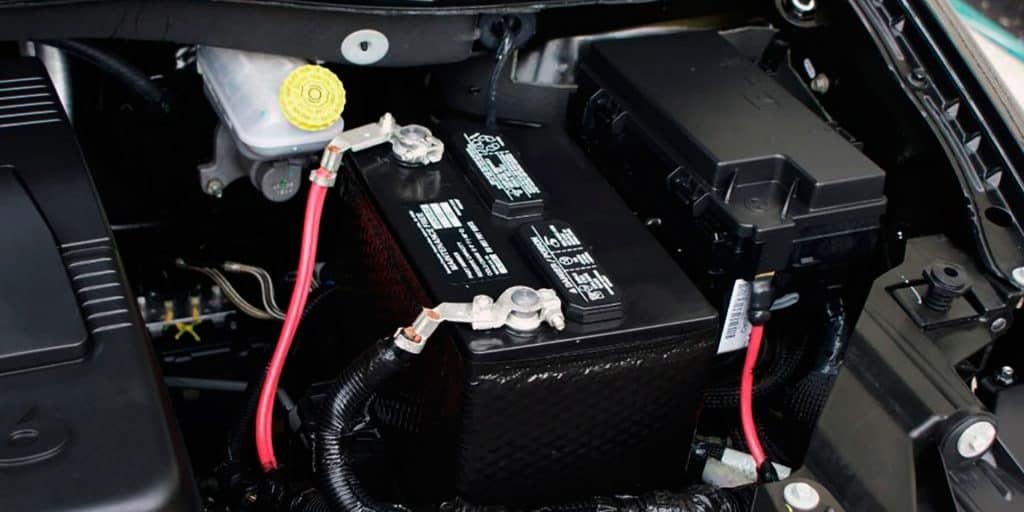
The question of how many volts you need to start a car might seem simple on the surface, but the answer is nuanced and deeply intertwined with the intricacies of automotive electrical systems. While most cars operate on a nominal 12-volt system, understanding the voltage requirements for starting involves considering factors like battery condition, temperature, wiring resistance, and the specific demands of the starter motor.
The 12-Volt System: A Misnomer?
It's common to refer to automotive systems as 12-volt, but that's more of a label than an absolute truth. A fully charged lead-acid car battery, in good condition, will typically have an open-circuit voltage of around 12.6 volts. This is the voltage measured when the battery is disconnected from the electrical system and not under any load. However, even under normal operating conditions, the voltage fluctuates. During charging, the alternator can boost the voltage to around 13.8 to 14.4 volts. Conversely, during cranking, the voltage can drop significantly.
The "12-volt" designation is more about standardizing the voltage for the numerous electrical components within the car, from the headlights and the infotainment system to the engine control unit (ECU) and various sensors. All these components are designed to operate efficiently within a range centered around 12 volts.
Cranking Voltage: The Critical Threshold
The most demanding task for the battery is starting the engine. The starter motor, a powerful electric motor, needs a significant amount of current to overcome the engine's inertia and compression to initiate combustion. This process, known as cranking, causes a substantial voltage drop in the electrical system.
The minimum voltage required to successfully start a car varies, but generally, a healthy car needs to maintain a voltage of at least 9.6 volts during cranking. This threshold is crucial because if the voltage dips below this level, the ECU and other critical engine management systems may not function correctly. The solenoid within the starter motor may also fail to engage properly, resulting in a clicking sound but no engine turnover.
Several factors can influence this cranking voltage:
- Battery Condition: A weak or aging battery will struggle to deliver the necessary current, causing a greater voltage drop. Sulfation, a buildup of lead sulfate crystals on the battery plates, reduces the battery's capacity and ability to discharge effectively.
- Temperature: Cold temperatures significantly reduce the battery's chemical reaction rate, hindering its ability to deliver current. This is why cars often struggle to start in cold weather. The internal resistance of the battery increases.
- Wiring Resistance: Corrosion on battery terminals, loose connections, or damaged wiring increase the overall resistance of the electrical circuit. This resistance impedes current flow and contributes to voltage drop.
- Starter Motor Condition: A faulty starter motor, with worn brushes or internal shorts, will draw excessive current, further stressing the battery and exacerbating the voltage drop.
- Engine Condition: An engine with high compression or other mechanical issues will require more effort to turn over, placing a greater load on the starter motor and battery.
Testing Battery Voltage: A Diagnostic Tool
Measuring battery voltage is a simple yet effective diagnostic tool for assessing the health of the electrical system. A multimeter can be used to check the open-circuit voltage, the charging voltage, and, most importantly, the voltage during cranking.
Here's how to perform a basic voltage test:
- Open-Circuit Voltage Test: With the engine off and all electrical loads disconnected, connect the multimeter's positive probe to the battery's positive terminal and the negative probe to the negative terminal. A healthy battery should read around 12.6 volts. A reading below 12.4 volts indicates a partially discharged battery, and a reading below 12.0 volts suggests a significantly discharged or sulfated battery.
- Cranking Voltage Test: Connect the multimeter as before. Have someone attempt to start the car while you observe the voltage reading. As mentioned earlier, the voltage should not drop below 9.6 volts. A significant drop below this threshold suggests a weak battery, excessive wiring resistance, or a problem with the starter motor.
- Charging Voltage Test: With the engine running, the multimeter should read between 13.8 and 14.4 volts. This indicates that the alternator is properly charging the battery. A voltage significantly outside this range suggests a faulty alternator or a problem with the voltage regulator.
Beyond Voltage: The Importance of Current
While voltage is a crucial factor, it's important to remember that current (measured in amperes, or amps) is equally important for starting a car. Voltage provides the electrical potential, but current is the flow of electrons that actually does the work. The starter motor requires a high current to generate the necessary torque to turn over the engine. A battery with sufficient voltage but low current capacity may still fail to start the car.
The Cold Cranking Amps (CCA) rating of a battery indicates its ability to deliver current at 0°F (-18°C). A higher CCA rating is generally desirable, especially in colder climates. As a battery ages, its CCA rating typically decreases.
Troubleshooting Starting Problems: A Systematic Approach
If your car is struggling to start, a systematic troubleshooting approach is essential:
- Check the Battery: Perform the voltage tests described above. If the battery is weak, try charging it or replacing it if necessary.
- Inspect the Connections: Clean and tighten all battery terminals and cable connections. Look for signs of corrosion or damage.
- Test the Starter Motor: If the battery and connections are good, the starter motor may be faulty. A professional mechanic can test the starter motor directly.
- Check the Charging System: Ensure that the alternator is properly charging the battery.
- Consider Environmental Factors: In cold weather, consider using a battery warmer or jump-starting the car.
The Future of Automotive Voltage: 48-Volt Systems
While 12-volt systems have been the standard for decades, the automotive industry is increasingly moving towards 48-volt systems, particularly in hybrid and electric vehicles. A 48-volt system offers several advantages:
- Higher Power Capacity: A higher voltage allows for more power to be delivered with less current, reducing wiring size and weight.
- Improved Efficiency: 48-volt systems can power more energy-intensive components, such as electric power steering, electric air conditioning compressors, and regenerative braking systems, with greater efficiency.
- Support for Advanced Features: 48-volt systems enable advanced features like stop-start technology, electric turbocharging, and active suspension.
While the transition to 48-volt systems is gradual, it represents a significant advancement in automotive electrical technology, paving the way for more efficient and powerful vehicles.
Conclusion
While a car nominally operates on a 12-volt system, the required voltage to start the engine is a dynamic value that fluctuates depending on various factors. A healthy system will maintain at least 9.6 volts during cranking. Understanding these voltage requirements, along with the role of current and the factors that influence battery performance, is essential for diagnosing and resolving starting problems and for appreciating the complex electrical systems that power our vehicles.
In short: Voltage is like water pressure in a pipe, and current is like the amount of water flowing. Both are needed to get the job done.