
How Much Do Oil Changes Cost At Valvoline
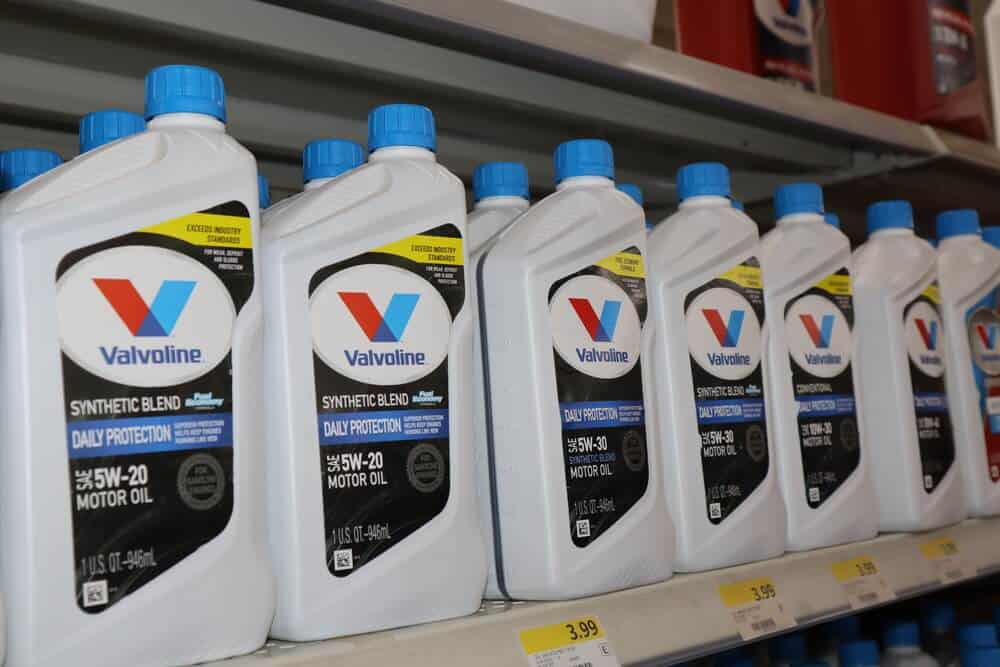
Alright, gearheads, let's talk about something we all love (or love to hate): oil changes. More specifically, how much you're going to shell out at Valvoline Instant Oil Change. We all know regular oil changes are the lifeblood of our beloved machines, preventing catastrophic engine failure and keeping things running smoothly. But with varying car models, engine types, and oil technologies, the price at Valvoline can fluctuate quite a bit. So, let's dive in and break down the costs, pros, and cons, shall we?
Valvoline Oil Change Options: A Quick Overview
Valvoline, like many chain oil change providers, offers a tiered system. Here's a general rundown of the oil change services you can expect to see, along with typical ballpark prices (remember, these can vary based on location and specific promotions):
- Conventional Oil Change: The basic service, usually using conventional motor oil. Lowest cost, best suited for older vehicles or those with less demanding driving conditions. Expect to pay in the $40-$60 range.
- Synthetic Blend Oil Change: A mix of conventional and synthetic oils, offering better protection than conventional alone. A good middle-ground option. Price typically falls between $60-$80.
- Full Synthetic Oil Change: The premium option, using 100% synthetic oil for maximum engine protection, extended oil change intervals, and improved performance, especially in extreme temperatures. This will set you back $80-$120 or more.
- High Mileage Oil Change: Formulated specifically for vehicles with 75,000 miles or more. Contains additives to help combat leaks, reduce oil consumption, and condition seals. Usually available in conventional, synthetic blend, and full synthetic options, with prices similar to their standard counterparts.
The Cost Breakdown: Factors Affecting the Price
Several factors will influence the final bill at Valvoline. Let's break them down:
- Oil Type: As mentioned above, synthetic oil is almost always more expensive than conventional. The performance benefits, however, are often worth the extra investment, especially for modern, high-performance engines.
- Engine Size and Type: Larger engines, like those in trucks and SUVs, require more oil. This will increase the cost of the oil itself. Additionally, some engines (e.g., turbocharged engines, certain European engines) require specific oil formulations, which can be pricier.
- Filter Type: While Valvoline typically includes a standard oil filter in their service, you may have the option to upgrade to a premium filter (e.g., a filter with better filtration or longer lifespan). This will add to the overall cost.
- Location, Location, Location: Prices can vary based on the location of the Valvoline shop. Shops in metropolitan areas or areas with higher costs of living may charge more.
- Promotions and Discounts: Keep an eye out for coupons, online deals, and special promotions. Valvoline frequently offers discounts on oil changes, which can significantly reduce the price.
Spec Table: Valvoline Oil Change Costs (Estimated)
| Oil Type | Typical Price Range | Ideal For |
|---|---|---|
| Conventional | $40 - $60 | Older vehicles, basic driving conditions |
| Synthetic Blend | $60 - $80 | Good balance of protection and price |
| Full Synthetic | $80 - $120+ | Modern engines, high-performance vehicles, extreme driving conditions |
| High Mileage (Conventional) | $45 - $65 | Older vehicles with high mileage |
| High Mileage (Synthetic Blend) | $65 - $85 | Older vehicles with high mileage, seeking better protection |
| High Mileage (Full Synthetic) | $85 - $125+ | Older vehicles with high mileage, requiring maximum protection and performance |
Pros and Cons of Getting Your Oil Changed at Valvoline
- Pros:
- Convenience: Quick service, no appointment needed in many cases.
- Transparency: You can usually watch the service being performed.
- Additional Services: They often offer other services like air filter replacement, wiper blade replacement, and fluid top-offs.
- Widely Available: Locations are common across the country.
- Cons:
- Potential Upselling: Technicians may try to sell you on additional services you may not need.
- Price: Can be more expensive than doing it yourself.
- Variability in Service Quality: Service quality can vary depending on the specific location and technician.
- Limited Oil Choices: While they offer different grades of Valvoline oil, options for other brands may be limited.
Real-World Driving Impressions (and Oil's Role)
Let's face it: we all want our cars to perform at their best. Whether you're daily driving a fuel-efficient sedan or tearing up the track in a high-performance sports car, oil quality matters. I've noticed a significant difference in engine smoothness and responsiveness when switching from conventional to full synthetic oil in my own vehicles. For example, my turbocharged Mazda3 felt noticeably peppier and the engine ran cooler after switching to a full synthetic oil. Of course, always consult your owner's manual for the manufacturer's recommended oil type and viscosity.
For those with older, high-mileage vehicles, the high-mileage oil options can be a lifesaver. The additives in these oils help to combat common issues like leaks and oil consumption, keeping your engine running longer and stronger.
Ultimately, the decision of where to get your oil changed and what type of oil to use comes down to personal preference, budget, and the specific needs of your vehicle. Do your research, compare prices, and don't be afraid to ask questions.
So, car enthusiasts, here's the million-dollar question: Do you believe full synthetic oil is *always* worth the extra cost, regardless of the vehicle? Let the debate begin in the comments!