
How Much Do Wheel Bearings Cost To Repair
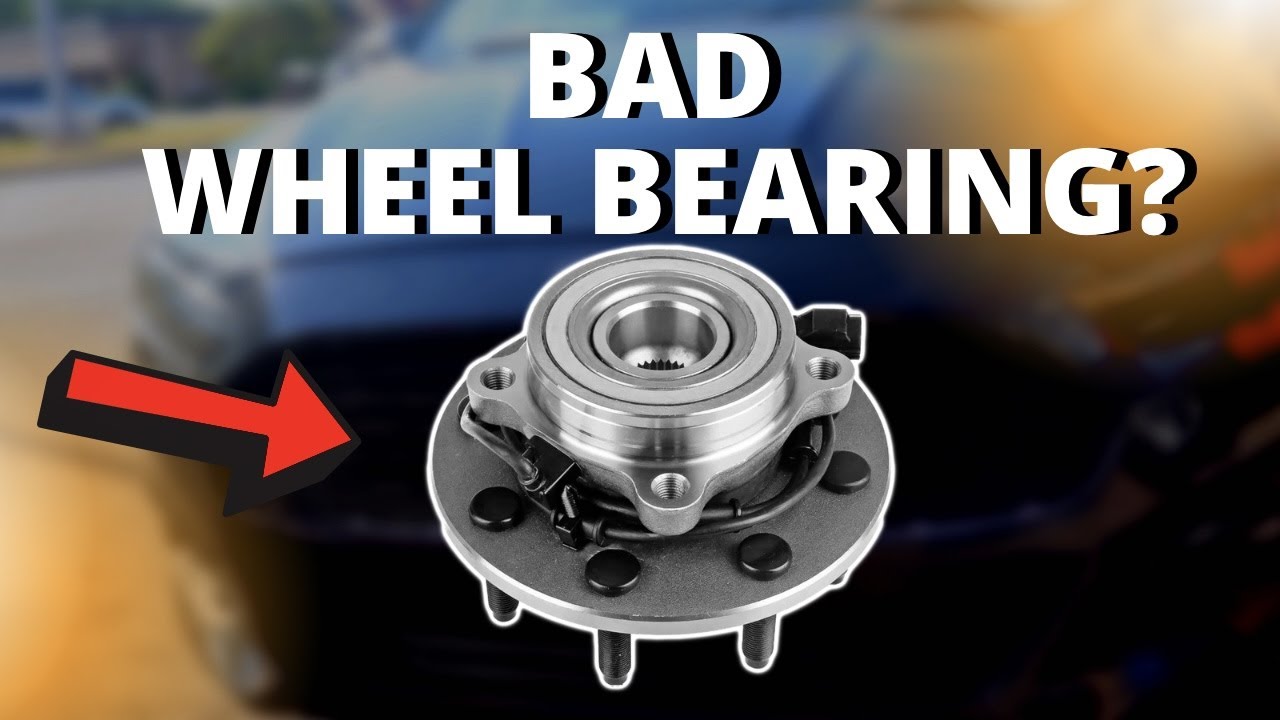
Wheel bearings are a crucial, yet often overlooked, component of your vehicle's suspension and drivetrain. They allow your wheels to rotate smoothly and efficiently, connecting the wheel hub to the axle. When they fail, the consequences can range from annoying noises to outright dangerous situations. Understanding the cost associated with wheel bearing repair is vital for responsible car ownership. This article delves into the factors influencing the price, provides a cost breakdown, and offers advice on spotting the signs of impending wheel bearing failure.
Understanding Wheel Bearing Function and Failure
Before diving into cost, let's recap what wheel bearings do. Simply put, they're sets of steel balls or tapered rollers held together by a metal ring called a race. These bearings sit inside the wheel hub assembly, allowing the wheel to spin freely with minimal friction. Common causes of wheel bearing failure include:
- Contamination: Dirt, water, and road salt can infiltrate the bearing, causing corrosion and premature wear.
- Impact Damage: Hitting potholes or curbs can damage the bearing itself or the race.
- Improper Installation: Incorrect tightening torque during installation can lead to premature failure.
- Lack of Lubrication: Over time, the grease lubricating the bearings can degrade, leading to increased friction and wear.
Factors Influencing Repair Costs
The cost of wheel bearing repair varies considerably based on several key factors:
- Vehicle Make and Model: Luxury vehicles and those with more complex suspension systems generally have higher repair costs. For example, replacing a wheel bearing on a Mercedes-Benz C-Class will typically cost more than on a Honda Civic due to parts availability and labor complexity.
- Location of the Bearing: Front wheel bearings often require more labor than rear wheel bearings, especially on front-wheel-drive vehicles, as they are integrated into the steering knuckle.
- Type of Bearing: Some vehicles use sealed hub assemblies, which require replacing the entire hub unit, while others use individual bearings that can be pressed into the existing hub. Sealed hub assemblies are typically more expensive.
- Labor Rates: Labor rates vary widely depending on your location and the type of repair shop. Dealerships generally charge higher labor rates than independent mechanics.
- Part Quality: Choosing cheaper, aftermarket parts can save money upfront, but they may not last as long as OEM (Original Equipment Manufacturer) parts. Investing in quality parts from reputable brands like SKF, Timken, or NSK is usually a better long-term strategy.
Cost Breakdown: Parts and Labor
A typical wheel bearing replacement involves both parts and labor costs. Let's break down the average expenses:
- Parts: Wheel bearings themselves can range from $30 to $200 or more per bearing, depending on the factors mentioned above. Sealed hub assemblies are typically more expensive, often costing between $100 and $400.
- Labor: Labor costs can vary widely, but you can generally expect to pay between $150 and $500 per wheel bearing replacement. Front wheel bearings usually command a higher labor rate due to the increased complexity involved.
Therefore, the total cost for a single wheel bearing replacement can range from $180 to $700 or more. It's always advisable to get multiple quotes from different repair shops to compare prices.
DIY vs. Professional Repair
Replacing a wheel bearing is not a simple DIY task. It often requires specialized tools, such as a hydraulic press, and a good understanding of automotive mechanics. Attempting the repair yourself without the proper knowledge and tools can result in injury or further damage to your vehicle. While it's possible to save on labor costs by doing it yourself, it's generally recommended to have a professional mechanic perform this repair. They can ensure the bearing is properly installed and torqued to the correct specifications, preventing premature failure.
Recognizing the Signs of a Failing Wheel Bearing
Early detection of wheel bearing problems can save you money and prevent more serious issues. Common symptoms of a failing wheel bearing include:
- Grinding or rumbling noise: This noise usually gets louder as the vehicle's speed increases.
- Clicking or popping noise: This noise may be more noticeable when turning.
- Wheel wobble or play: You may feel excessive play in the steering wheel or notice the wheel wobbling.
- Uneven tire wear: A failing wheel bearing can cause the tire on that wheel to wear unevenly.
- ABS malfunction: In some cases, a failing wheel bearing can interfere with the ABS sensor, causing the ABS light to illuminate.
If you notice any of these symptoms, it's important to have your vehicle inspected by a qualified mechanic as soon as possible.
Preventative Maintenance
While wheel bearings are wear items, you can take steps to extend their lifespan. Regular inspection of the suspension system, avoiding potholes and curbs, and ensuring proper tire inflation can all help prevent premature wheel bearing failure. Also, if you frequently drive in harsh conditions, such as off-roading or in areas with heavy road salt, consider having your wheel bearings inspected and repacked with grease more frequently.
In conclusion, understanding the costs associated with wheel bearing repair and being proactive with maintenance can help you keep your vehicle running smoothly and safely for years to come. Don't ignore the signs of a failing wheel bearing; addressing the problem promptly can prevent more costly repairs down the road.