
How Much Does A New Car Transmission Cost
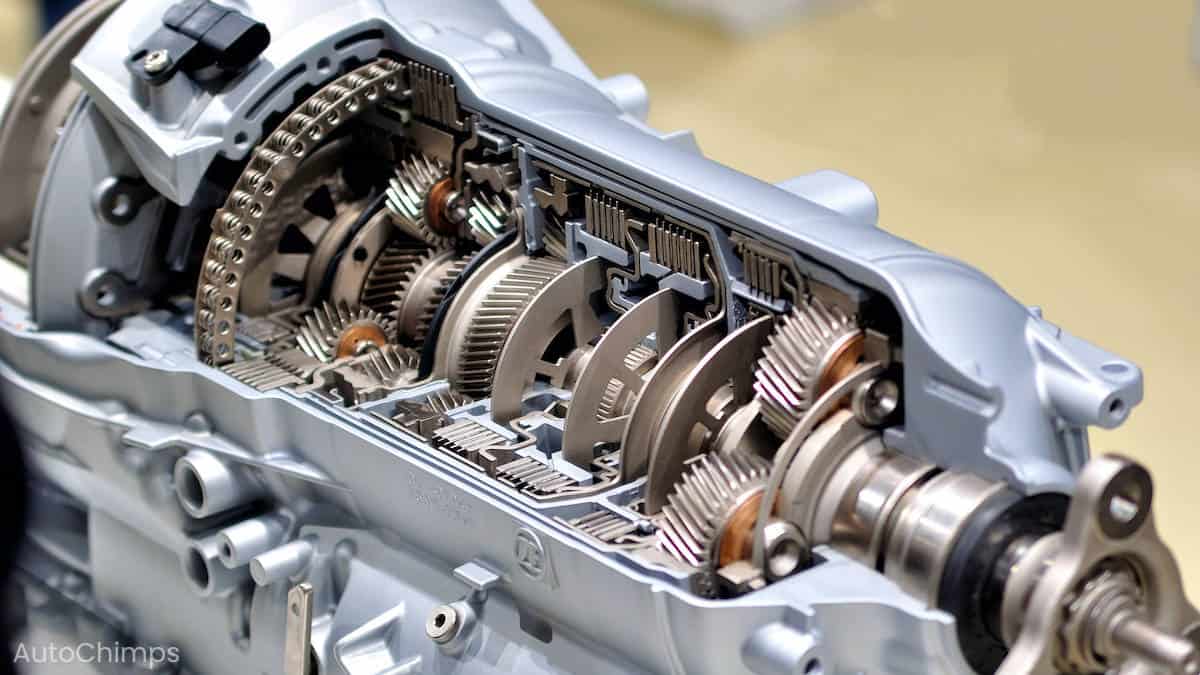
So, your trusty steed is starting to act a little… wonky. That familiar purr is now more of a groan, and shifting gears feels like wrestling an alligator. Yep, you might be facing the dreaded "T" word: transmission. But before you resign yourself to a life of public transportation, let's talk about the cost. A new car transmission isn't cheap, but understanding the factors involved can help you navigate the process and potentially save some serious cash.
The Transmission Price Spectrum: From Frugal to Extravagant
The cost of a new transmission varies wildly depending on a multitude of factors. We're talking everything from the car's make and model to the type of transmission itself (automatic, manual, dual-clutch, etc.), the engine it's paired with, and of course, where you get the work done.
Let's break down some examples with estimated price ranges (including parts and labor):
| Vehicle Type | Transmission Type | Estimated Cost (Parts & Labor) |
|---|---|---|
| Compact Car (e.g., Honda Civic, Toyota Corolla) | Automatic (CVT or traditional) | $3,000 - $5,000 |
| Compact Car (e.g., Honda Civic, Toyota Corolla) | Manual | $2,500 - $4,000 |
| Mid-Size Sedan (e.g., Toyota Camry, Honda Accord) | Automatic | $3,500 - $6,000 |
| Truck/SUV (e.g., Ford F-150, Toyota 4Runner) | Automatic | $4,500 - $8,000+ |
| Performance Car (e.g., BMW M3, Porsche 911) | Automatic (DCT/PDK) | $8,000 - $15,000+ |
| Performance Car (e.g., BMW M3, Porsche 911) | Manual | $5,000 - $10,000+ |
Important Note: These are just estimates. Always get a quote from a reputable mechanic before committing to any work. Prices can fluctuate based on location, parts availability, and the specific issues with your existing transmission.
Automatic vs. Manual vs. DCT: A Transmission Tech Deep Dive
The type of transmission is a major cost driver. Here's a quick rundown:
- Automatic Transmissions (Traditional Torque Converter): The most common type, these are generally reliable but can be more expensive to replace than manual transmissions.
- Pros: Smooth shifting, ease of use, good for everyday driving.
- Cons: Can be less fuel-efficient than manuals, potentially higher repair costs.
- Continuously Variable Transmissions (CVT): Found in many modern cars, CVTs offer seamless gear changes and improved fuel economy. However, their long-term reliability is still debated, and replacement costs can be surprisingly high.
- Pros: Excellent fuel economy, smooth acceleration.
- Cons: Can feel "disconnected" from the engine, potential reliability concerns.
- Real-world driving impression: Some drivers find the constant droning sound during acceleration off-putting. Others appreciate the smooth, efficient performance.
- Manual Transmissions: Once the standard, manuals are now less common but still offer a more engaging driving experience. Replacement costs are typically lower than automatics, but clutch replacements are a separate expense.
- Pros: More driver control, generally lower replacement costs (transmission itself), often more reliable.
- Cons: Requires more driver involvement, clutch replacements are common, less fuel-efficient in some cases.
- Real-world driving impression: Nothing beats the feeling of perfectly executing a downshift on a winding road. The direct connection to the engine is a major draw for enthusiasts.
- Dual-Clutch Transmissions (DCT/PDK): These transmissions offer lightning-fast shifts and improved performance, but they are also the most complex and expensive to replace.
- Pros: Incredibly fast shifting, excellent performance, good fuel economy.
- Cons: Very expensive to replace, can be jerky at low speeds, require specialized maintenance.
- Real-world driving impression: The almost instantaneous shifts are addictive, especially in performance cars. However, low-speed drivability can be a challenge in stop-and-go traffic.
Engine Size and Vehicle Type: Why It Matters
A small four-cylinder engine paired with a basic automatic transmission will generally result in a lower replacement cost than a high-performance V8 with a sophisticated DCT. Larger vehicles, like trucks and SUVs, also tend to have more robust (and expensive) transmissions.
The Replacement vs. Rebuild Dilemma
Instead of a full replacement, consider a transmission rebuild. A rebuild involves disassembling the transmission, replacing worn parts, and reassembling it. This can be a more cost-effective option, but it depends on the extent of the damage. A good mechanic can assess the situation and recommend the best course of action.
Where to Get the Work Done: Dealer vs. Independent Shop
Dealerships typically offer warranties and use genuine parts, but their labor rates are often higher. Independent shops can be more affordable, but it's crucial to find a reputable mechanic with experience working on your specific type of transmission. Online reviews and referrals are your friends here.
Saving Money on Transmission Replacement
- Get multiple quotes: Don't settle for the first estimate you receive.
- Consider a rebuilt transmission: A quality rebuilt transmission can save you significant money.
- Shop around for parts: See if you can source the parts yourself for a lower price.
- Ask about warranties: Make sure the replacement or rebuild comes with a warranty.
- Maintain your transmission: Regular fluid changes can significantly extend the life of your transmission.
Ultimately, the cost of a new car transmission is a significant investment. By understanding the factors involved and doing your research, you can make an informed decision and get back on the road without breaking the bank.
Now, for the fun part: Manual transmissions are superior and anyone who says otherwise is just jealous of our heel-toe skills. Agree or disagree? Let the comments begin!