
How Much Does A Rebuilt Transmission Cost
The rhythmic whir of gears, the smooth transition between speeds – a well-functioning transmission is the unsung hero of a pleasurable driving experience. But what happens when that hero falters? A transmission rebuild, while a potentially significant expense, can be a viable alternative to complete replacement. But how much does this process really cost, and what factors influence the final price tag? Let's delve into the mechanics and economics of transmission rebuilding.
Understanding Transmission Rebuilding
Before we discuss cost, it's crucial to understand what a transmission rebuild entails. Unlike a simple repair that addresses a specific issue, a rebuild is a comprehensive overhaul. It involves removing the transmission from the vehicle, disassembling it completely, cleaning all components, inspecting them for wear and damage, replacing worn or damaged parts with new or remanufactured ones, reassembling the transmission with new seals and gaskets, and finally, reinstalling it in the vehicle.
Think of it as open-heart surgery for your car's drivetrain. The mechanic isn't just patching up a problem; they're essentially giving the transmission a new lease on life.
The Key Steps in a Transmission Rebuild:
- Removal: The transmission is disconnected from the engine and other drivetrain components and carefully removed from the vehicle. This step alone can be labor-intensive, especially in vehicles with limited engine bay space.
- Disassembly: The transmission is meticulously disassembled. Each component, from gears and shafts to valve bodies and torque converters (in automatic transmissions), is carefully documented and organized.
- Cleaning and Inspection: All parts are thoroughly cleaned to remove accumulated grime, metal shavings, and old fluid. Each component is then carefully inspected for wear, cracks, warping, and other damage. This is a critical step, as it determines which parts need replacement.
- Parts Replacement: Worn or damaged parts are replaced. Common replacement parts include friction clutches, steel plates, seals, gaskets, filters, bands (in automatic transmissions), and sometimes even gears and shafts. The choice between new and remanufactured parts will influence the overall cost.
- Reassembly: The transmission is reassembled with the new or remanufactured parts, ensuring proper alignment and lubrication. This requires specialized tools and expertise to ensure all clearances and tolerances are within specification.
- Testing: The rebuilt transmission is often tested on a dynamometer (a specialized machine that simulates driving conditions) to verify proper operation before being reinstalled in the vehicle.
- Reinstallation: The rebuilt transmission is carefully reinstalled in the vehicle, and all connections are properly secured.
- Fluid Fill and Adjustment: The transmission is filled with the correct type and amount of transmission fluid, and any necessary adjustments are made to ensure proper shifting.
Factors Affecting the Cost of a Rebuilt Transmission
The cost of a rebuilt transmission is not a fixed number. Several factors contribute to the final price, making it essential to obtain a detailed estimate from a reputable mechanic.
- Vehicle Make and Model: The complexity of the transmission and the availability of parts vary significantly between different vehicle makes and models. Some transmissions are inherently more complex and require specialized tools and expertise to rebuild, which translates to higher labor costs. Similarly, the cost of replacement parts can vary considerably depending on the vehicle. Exotic vehicles or those with rare transmissions will generally have higher rebuild costs.
- Transmission Type (Automatic vs. Manual): Automatic transmissions are generally more complex than manual transmissions, with more intricate valve bodies, clutches, and solenoids. This complexity often translates to higher rebuild costs. Manual transmissions, while simpler in design, can still require significant labor if gears or shafts need replacement.
- Extent of Damage: The severity of the damage to the transmission directly impacts the cost of the rebuild. If only a few parts are worn, the cost will be lower than if significant internal components, such as gears, shafts, or the transmission case itself, are damaged. Catastrophic failures, such as a complete loss of gear teeth or a cracked transmission case, can significantly increase the rebuild cost, potentially making a replacement a more cost-effective option.
- Parts (New vs. Remanufactured): The choice between new and remanufactured parts is a significant factor. New parts are generally more expensive but offer the longest lifespan. Remanufactured parts are typically rebuilt to original specifications and can be a more cost-effective option, but their lifespan may be shorter. The quality of remanufactured parts can also vary depending on the remanufacturer.
- Labor Costs: Labor costs vary depending on the mechanic's hourly rate and the amount of time required to complete the rebuild. Labor costs can be influenced by the mechanic's experience and expertise, as well as the complexity of the transmission.
- Shop Location: Labor rates and parts prices often vary depending on the geographic location. Shops in urban areas or high-cost-of-living areas may have higher labor rates than shops in rural areas.
- Warranty: A reputable mechanic will offer a warranty on the rebuilt transmission. The length and coverage of the warranty can vary, and it's important to understand the terms of the warranty before proceeding with the rebuild. A longer warranty typically indicates greater confidence in the quality of the rebuild but may also come with a higher price tag.
Typical Cost Ranges
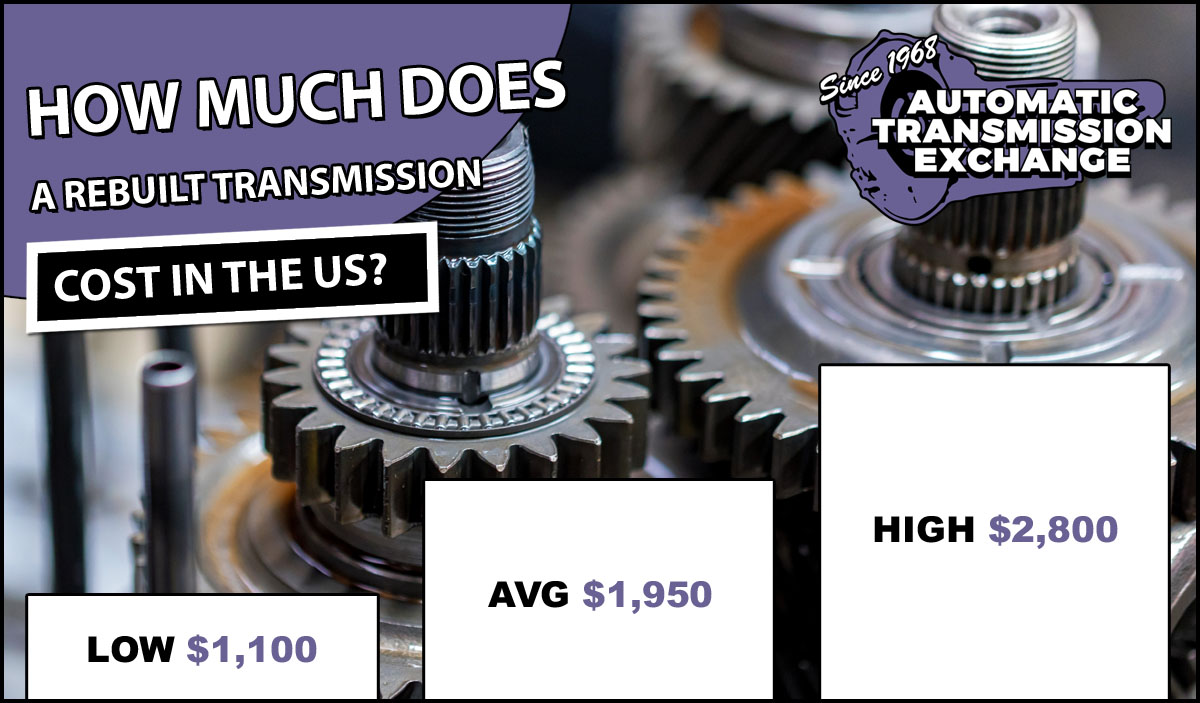
While the exact cost of a rebuilt transmission can vary, here's a general range to consider. Keep in mind that these are estimates and can fluctuate based on the factors mentioned above:
- Manual Transmission: $1,500 - $3,500
- Automatic Transmission: $2,000 - $5,000+
These ranges include the cost of parts, labor, and potentially a dynamometer test. Always get multiple quotes from reputable mechanics to compare prices and warranty options.
Replacement vs. Rebuild: Making the Right Decision
When faced with a failing transmission, the question of whether to rebuild or replace often arises. While a rebuild can be a cost-effective option, it's not always the best choice. Several factors should be considered:
- Age and Condition of the Vehicle: If the vehicle is old and has high mileage, it may not be worth investing in a rebuilt transmission. A replacement transmission, either new or remanufactured, may be a better long-term solution.
- Cost Comparison: Obtain quotes for both a rebuilt and a replacement transmission. Compare the total cost, including parts, labor, and warranty. In some cases, the cost of a rebuilt transmission may be close to that of a replacement, making replacement the more appealing option.
- Availability of Replacement Transmissions: The availability of replacement transmissions can also influence the decision. If a replacement transmission is readily available and competitively priced, it may be the preferred choice.
- Mechanic's Recommendation: Consult with a trusted mechanic to get their professional opinion. They can assess the condition of the transmission and provide recommendations based on their experience.
Ultimately, the decision to rebuild or replace a transmission is a personal one that should be based on a careful evaluation of all the relevant factors. Don't be afraid to ask questions and do your research to make an informed decision.
By understanding the complexities of transmission rebuilding and the factors that influence its cost, you can approach the situation with greater confidence and ensure you're making the best decision for your vehicle and your budget.