
How Much Does A Starter Motor Cost To Fix
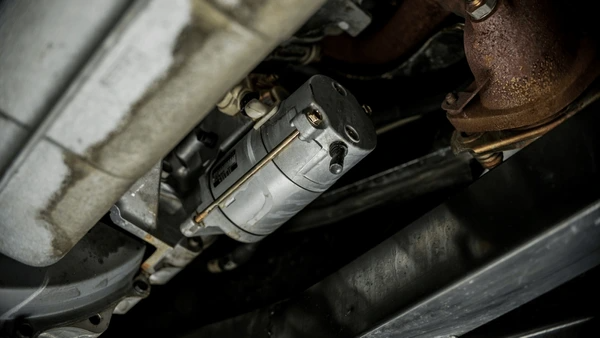
The dreaded click-click-click… a sound familiar to many car owners. It's often the unmistakable signal that your starter motor is on its last legs. Knowing how much it costs to fix a starter motor is crucial for budgeting and making informed decisions. Let's dive into the factors influencing the cost and what you can expect to pay.
Understanding the Starter Motor
Before we talk money, let's briefly recap what the starter motor does. Simply put, it's an electric motor responsible for cranking your engine, initiating the combustion process. When you turn the key (or press the start button), the starter engages with the engine's flywheel via a pinion gear and spins the engine until it starts. Without a functioning starter, your car is going nowhere.
Factors Affecting Starter Motor Repair Costs
Several key factors influence the final bill for a starter motor repair:
- Vehicle Make and Model: This is a big one. A starter for a common Honda Civic will typically be far cheaper than one for a luxury car like a BMW or a specialized vehicle like a classic muscle car. This is due to parts availability, complexity of the starter design, and overall vehicle maintenance costs associated with different brands.
- Starter Motor Type: Starters vary in design and power depending on the engine size and type. For instance, a heavy-duty starter for a truck will cost more than a smaller one for a compact car. Also, some vehicles use more complex starter systems, like a reduction gear starter, which uses gears to increase torque. These are often more expensive to replace.
- New vs. Remanufactured vs. Used: You have options! A new starter is the most expensive but offers the best peace of mind. A remanufactured starter is a used unit that has been rebuilt and tested, offering a good balance of price and reliability. A used starter is the cheapest option but carries the highest risk of failure.
- Labor Costs: Labor rates vary significantly depending on your location and the mechanic's hourly rate. Replacing a starter can be relatively straightforward on some vehicles, but on others, it can be a challenging job requiring significant time and specialized tools. Some starters are buried deep within the engine bay, requiring the removal of other components for access.
- Diagnostic Fees: Don't assume it's definitely the starter! A reputable mechanic will perform a diagnostic test to confirm the starter is the culprit. This typically involves checking the battery, solenoid, and wiring to rule out other potential issues. Diagnostic fees can range from $50 to $150.
- Location: Prices for parts and labor vary based on location, with metropolitan areas typically having higher costs than rural areas.
Estimating the Cost: A Breakdown
Let's break down the estimated costs for replacing a starter motor:
- New Starter Motor: $150 - $500+ (depending on the factors mentioned above)
- Remanufactured Starter Motor: $100 - $300
- Used Starter Motor: $50 - $150 (buyer beware!)
- Labor: $100 - $400+ (depending on vehicle and complexity)
Therefore, the total cost to replace a starter motor can range from $250 to $900 or more. Keep in mind these are just estimates. It’s always best to get a quote from a trusted mechanic before proceeding with the repair.
DIY vs. Professional Installation
If you're a mechanically inclined car owner, replacing the starter motor yourself can save you money on labor costs. However, it's crucial to have the necessary tools, experience, and a reliable repair manual for your specific vehicle. Incorrect installation can damage the starter or other components. If you're unsure, it's always best to leave it to the professionals.
Preventative Maintenance and Early Warning Signs
While starters eventually fail, some preventative maintenance can extend their lifespan. Ensure your battery is in good condition, as a weak battery puts extra strain on the starter. Pay attention to the following warning signs:
- Slow cranking
- Clicking noise when turning the key
- Whirring or grinding noise
- Intermittent starting problems
Addressing these issues early can prevent a complete starter failure and potentially save you money in the long run. In conclusion, the cost to fix a starter motor can vary widely, but understanding the contributing factors will help you make informed decisions and avoid being overcharged. Always get multiple quotes and choose a reputable mechanic for the job.