
How Much Does A Transmission Rebuild Cost
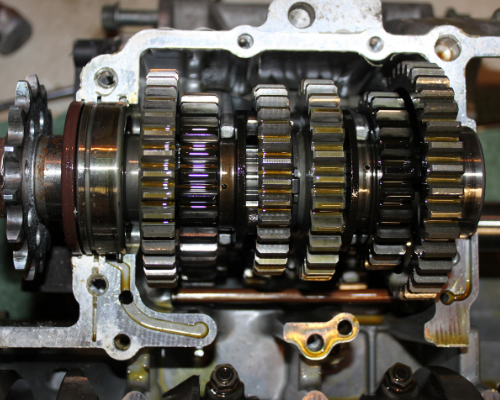
The dreaded words: "transmission problems." Whether it's slipping gears, rough shifting, or a complete failure, a malfunctioning transmission can bring your vehicle to a screeching halt and your budget to its knees. While a full transmission replacement might seem like the only option, a transmission rebuild can often be a more cost-effective solution. But just how much does a transmission rebuild cost? Let's dive into the factors involved.
Understanding Transmission Rebuilds
Before we talk money, it's crucial to understand what a transmission rebuild actually entails. It's not just a simple fix. A rebuild involves removing the transmission from the vehicle, completely disassembling it, cleaning all the components, and thoroughly inspecting each part for wear or damage. Worn or damaged parts, such as clutch packs, seals, bearings, and sometimes even gears, are replaced with new or remanufactured components. The transmission is then reassembled, tested, and reinstalled in the vehicle. Essentially, you're getting a transmission that's close to being new, without the cost of a brand-new unit.
Factors Influencing Rebuild Costs
The cost of a transmission rebuild is influenced by several factors, including:
- Vehicle Make and Model: The complexity of the transmission varies greatly between manufacturers and models. A simple, older 3-speed automatic in a classic pickup will generally be cheaper to rebuild than a modern 8-speed dual-clutch transmission in a high-performance sports car. High-end vehicles and those with complex transmissions (like many European models) will typically incur higher labor and parts costs.
- Transmission Type: Automatic transmissions generally cost more to rebuild than manual transmissions due to their increased complexity and the larger number of internal components. CVT (Continuously Variable Transmissions) can sometimes be even pricier than automatics.
- Parts Availability and Cost: The availability and cost of replacement parts can significantly impact the overall price. Rare or obsolete parts can be difficult to source and therefore more expensive. Aftermarket parts can sometimes be a more affordable option, but it's essential to use quality components that meet or exceed OEM specifications.
- Labor Costs: Labor rates vary widely depending on the geographic location and the experience and reputation of the mechanic or shop. Dealerships typically charge higher labor rates than independent repair shops.
- Extent of Damage: The severity of the damage to the transmission will directly affect the number of parts that need to be replaced and the amount of labor required. A transmission that has suffered catastrophic failure will naturally cost more to rebuild than one with minor wear and tear.
Cost Breakdown: What to Expect
So, what are the numbers? Generally, a transmission rebuild can range from $1,500 to $5,000 or more. Here's a rough breakdown:
- Labor: $500 - $1500 (or more, depending on complexity)
- Parts: $500 - $3000 (or more, depending on damage and quality)
- Miscellaneous (fluids, seals, etc.): $100 - $300
Keep in mind that these are just estimates, and the actual cost can vary considerably. For example, rebuilding the Powerglide transmission in a vintage Chevrolet might cost significantly less than rebuilding the ZF 8HP transmission found in many modern BMWs and Audis.
Replacement vs. Rebuild: Making the Right Choice
When faced with a transmission problem, you might also consider replacing the entire unit instead of rebuilding it. A remanufactured transmission can be a viable option. Remanufactured units have been completely disassembled, cleaned, and rebuilt to factory specifications. They often come with a warranty, offering peace of mind. However, remanufactured transmissions can sometimes be more expensive than a rebuild, particularly for older or less common vehicles. A brand new transmission is typically the most expensive option, but it offers the longest lifespan and warranty. Carefully weigh the pros and cons of each option before making a decision. Get quotes from multiple shops and ask detailed questions about the parts and labor involved.
Preventive Maintenance: Avoiding the Rebuild Altogether
The best way to save money on transmission repairs is to prevent them in the first place. Regular transmission fluid changes are crucial. Follow the manufacturer's recommended service intervals. Using the correct type of transmission fluid is also essential. Driving habits also play a role. Avoid aggressive acceleration and hard braking, as these can put excessive stress on the transmission. Listen for any unusual noises or vibrations, and address minor issues promptly before they escalate into major problems. By taking care of your transmission, you can significantly extend its lifespan and potentially avoid a costly rebuild.