
How Much Does A Wheel Bearing Cost To Fix
How Much Does a Wheel Bearing Cost To Fix? A Comprehensive Guide
If you're experiencing a grinding, humming, or clicking noise coming from your wheels, you might be dealing with a faulty wheel bearing. Understanding the cost to fix this issue is crucial for budgeting and planning the necessary repairs. This guide will break down the various factors influencing the wheel bearing replacement cost, helping you make informed decisions about your vehicle's maintenance.
What is a Wheel Bearing and Why is it Important?
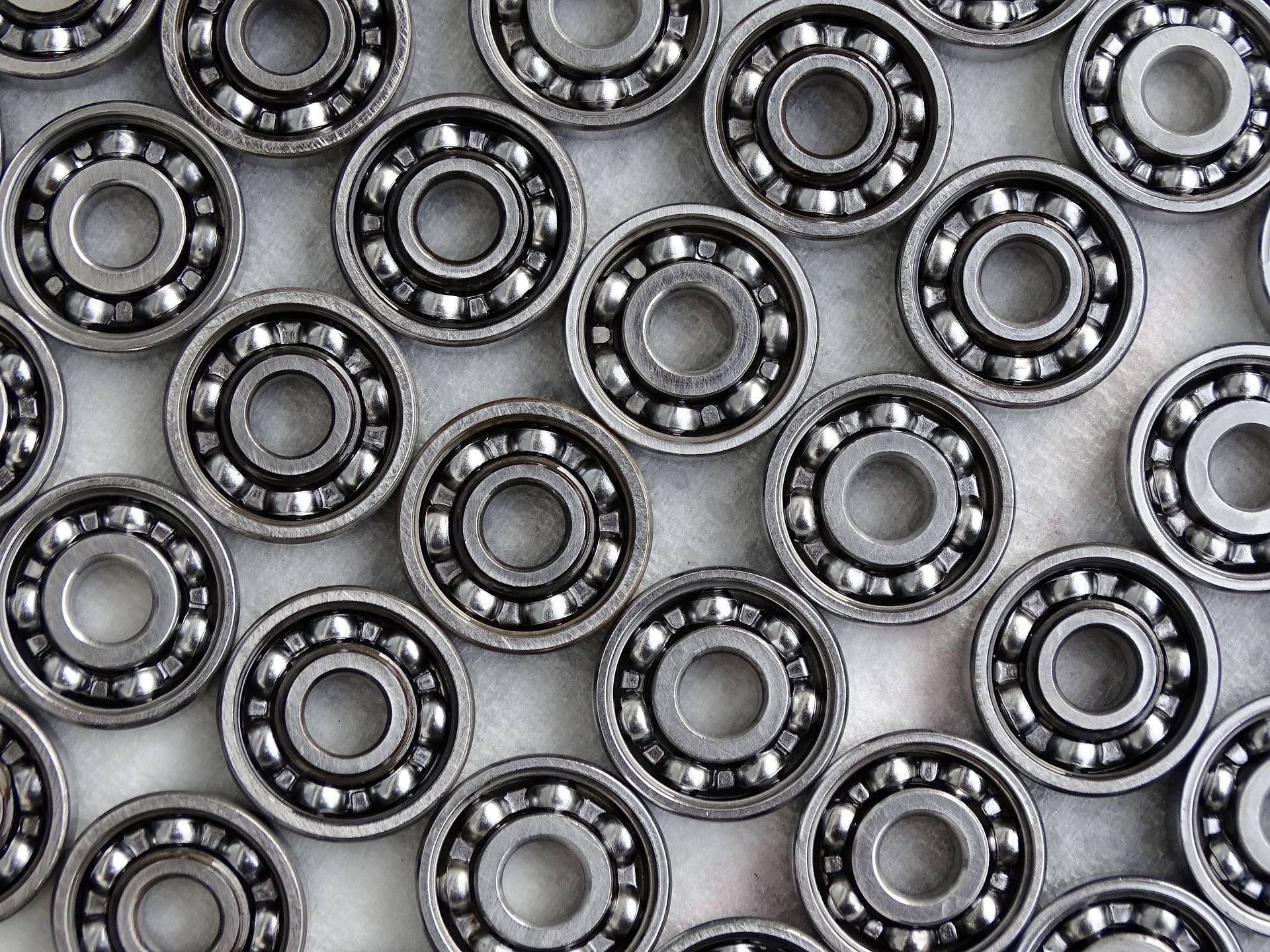
A wheel bearing is a crucial component that connects the wheel to the axle. Its primary function is to allow the wheel to rotate smoothly and efficiently. It's a set of steel balls (or tapers) held together by a metal ring, known as a race. Over time, wheel bearings can wear down due to friction, contamination (water, dirt), and impact from potholes or rough roads.
Ignoring a bad wheel bearing can lead to more serious problems. A worn-out bearing can cause:
- Uneven tire wear
- Reduced fuel efficiency
- Vibration and noise
- Steering issues
- In extreme cases, wheel seizure, which can be dangerous
Therefore, addressing a faulty wheel bearing promptly is essential for safety and preventing further damage to your vehicle.
Factors Influencing Wheel Bearing Replacement Cost
The cost of fixing a wheel bearing isn't a fixed number. It varies based on several factors:
1. Vehicle Make and Model
The make and model of your car significantly impact the price. Luxury vehicles and certain specialty cars often have more expensive parts and require specialized labor, leading to higher repair costs. For example, replacing a wheel bearing on a high-end SUV may be considerably more expensive than on a compact sedan.
2. Front vs. Rear Wheel Bearing
The location of the wheel bearing also affects the price. Front wheel bearings often require more labor to access and replace, particularly if they are integrated with the hub assembly. Rear wheel bearings can be simpler to replace in some vehicles, but this isn't always the case.
3. Type of Wheel Bearing
There are different types of wheel bearings, including:
- Tapered Roller Bearings: Commonly found in rear-wheel-drive vehicles.
- Ball Bearings: Often used in front-wheel-drive cars.
- Hub Assemblies: These integrate the bearing with the wheel hub, making replacement simpler but potentially more expensive.
The type of bearing needed for your vehicle will influence the part's cost.
4. Labor Costs
Labor costs typically make up a significant portion of the total expense. Mechanic hourly rates vary widely depending on location and the specific shop. Larger metropolitan areas generally have higher labor rates than smaller towns. The complexity of the job also affects labor time; some vehicles require more disassembly to access the wheel bearing.
5. Part Quality
You have a choice between OEM (Original Equipment Manufacturer) parts and aftermarket parts. OEM parts are generally more expensive but are designed to meet the exact specifications of your vehicle. Aftermarket parts can be a more affordable option, but quality can vary significantly. Choosing a reputable brand of aftermarket parts is crucial to ensure durability and reliability. Opting for the cheapest possible part may result in premature failure and the need for another replacement sooner rather than later.
6. Repair Shop vs. DIY
While attempting to replace a wheel bearing yourself can save on labor costs, it's generally not recommended unless you have significant mechanical experience and the necessary tools. Incorrect installation can lead to further damage and safety concerns. A professional mechanic has the expertise and equipment to ensure the job is done correctly.
Consider the cost of tools you might need if you choose the DIY route. Specialized tools like a bearing press can be expensive.
Average Wheel Bearing Replacement Cost
So, what's the bottom line? On average, the wheel bearing replacement cost typically ranges from $150 to $800 per wheel. This includes both the cost of the parts and the labor. The price can be further broken down as follows:
- Parts: $50 - $300 per wheel
- Labor: $100 - $500 per wheel
Keep in mind that these are just estimates. To get a precise quote, it's best to contact a local mechanic and provide them with your vehicle's year, make, and model.
Getting a Quote
When seeking a quote for wheel bearing replacement, it's wise to get estimates from multiple shops. Be sure to ask the following questions:
- What brand of parts will be used?
- What is the warranty on the parts and labor?
- Is there any diagnostic fee?
- Is the quote a fixed price or an estimate?
A reputable mechanic will be transparent about the costs involved and provide a detailed explanation of the repair process. Look for shops with positive reviews and a solid reputation in your area.
When to Replace a Wheel Bearing
Recognizing the symptoms of a failing wheel bearing is crucial for timely intervention. Common signs include:
- Grinding or Humming Noise: This noise typically gets louder as you accelerate.
- Clicking Noise: A clicking sound that increases with speed, especially when turning.
- Vibration: Feeling a vibration in the steering wheel or floorboard.
- Loose Steering: Difficulty steering or a feeling of looseness in the wheel.
- Uneven Tire Wear: Premature wear on the inside or outside edge of the tire.
- ABS Light: In some cases, a faulty wheel bearing can trigger the ABS light.
If you notice any of these symptoms, have your vehicle inspected by a mechanic as soon as possible. Early detection can prevent further damage and potentially save you money in the long run.
Can I Delay Wheel Bearing Replacement?
While it might be tempting to postpone wheel bearing replacement to save money, it's generally not a good idea. Ignoring a faulty wheel bearing can lead to:
- Increased Risk of Accidents: A severely worn wheel bearing can cause the wheel to seize, leading to a loss of control.
- Damage to Other Components: A failing bearing can put stress on other parts, such as the axle, brakes, and tires.
- Higher Repair Costs: Delaying the repair can result in more extensive damage and a higher overall cost.
Addressing a faulty wheel bearing promptly is an investment in your safety and your vehicle's longevity.
Conclusion
The cost to fix a wheel bearing depends on various factors, including your vehicle's make and model, the location of the bearing, the type of bearing, and labor costs. While the average wheel bearing replacement cost ranges from $150 to $800 per wheel, it's essential to get a specific quote from a trusted mechanic. Don't delay the repair, as neglecting a faulty wheel bearing can compromise your safety and lead to more expensive repairs down the road. By understanding the factors involved and addressing the issue promptly, you can ensure your vehicle remains safe and reliable.