
How Much Does Catalytic Converters Go For
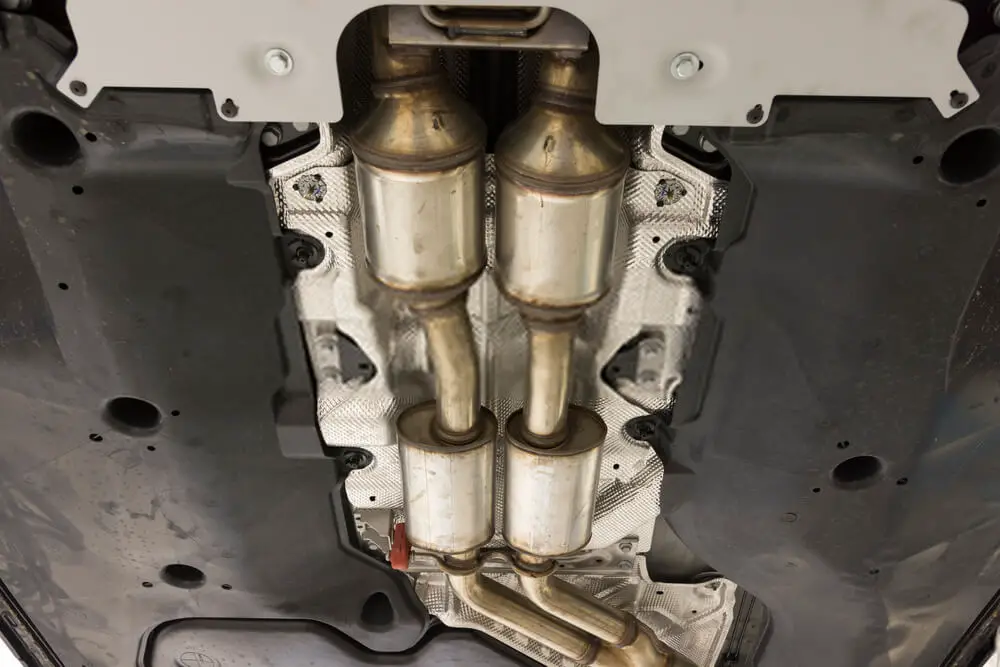
The catalytic converter is a vital component of your car's exhaust system, responsible for reducing harmful emissions. But like any car part, it can fail, and when it does, replacing it can be a significant expense. Understanding the factors influencing catalytic converter costs, recognizing potential problems, and practicing preventative maintenance can save you money and headaches in the long run.
Factors Affecting Catalytic Converter Cost
The price of a catalytic converter can vary significantly based on several factors:
- Vehicle Make and Model: Converters for high-performance vehicles or those with specific emissions standards often cost more. For example, a catalytic converter for a Toyota Prius, with its hybrid engine, can be more expensive than one for a standard gasoline-powered car like a Honda Civic due to its specialized design.
- Converter Type: There are direct-fit and universal converters. Direct-fit converters are designed specifically for your vehicle and typically cost more but offer easier installation. Universal converters are less expensive but might require welding and modifications for proper fitment.
- Metal Content: Catalytic converters contain precious metals like platinum, palladium, and rhodium, which act as catalysts. The fluctuating market prices of these metals directly impact the cost of the converter.
- Location: Labor costs for installation can vary significantly depending on your geographical location. Metropolitan areas typically have higher labor rates.
- New vs. Aftermarket: A new, OEM (Original Equipment Manufacturer) catalytic converter will always be the most expensive option, offering guaranteed compatibility and performance. Aftermarket converters can be significantly cheaper but may not always meet the same performance standards or have the same lifespan.
Common Symptoms of a Failing Catalytic Converter
Recognizing the symptoms of a failing catalytic converter is crucial for timely repair and preventing further damage.
- Check Engine Light: This is the most common indicator. Codes like P0420 (Catalyst System Efficiency Below Threshold - Bank 1) are frequently associated with converter issues.
- Reduced Engine Performance: A clogged converter restricts exhaust flow, leading to a noticeable decrease in acceleration and overall engine power. Imagine trying to breathe through a straw – that's similar to what your engine experiences with a blocked converter.
- Poor Fuel Economy: A struggling engine needs to work harder to compensate for the restricted exhaust, resulting in increased fuel consumption.
- Rattling Noise: Internal damage to the converter can cause the ceramic substrate to break apart, producing a rattling sound, especially during acceleration.
- Overheating: A failing converter can overheat, potentially causing damage to nearby components. You might notice a burning smell coming from under the car.
- Failed Emissions Test: This is often the final confirmation of a catalytic converter problem.
Troubleshooting and Diagnosis
If you suspect a catalytic converter issue, proper diagnosis is essential before replacement. A mechanic will typically use an OBD-II scanner to retrieve diagnostic trouble codes (DTCs). However, a P0420 code doesn't always mean the converter is bad. Other potential causes include:
- Exhaust Leaks: Leaks before or after the converter can introduce excess oxygen, throwing off the readings and triggering the code.
- Faulty Oxygen Sensors: Oxygen sensors monitor the exhaust gases before and after the converter. If they malfunction, they can provide inaccurate data to the engine control unit (ECU), leading to misdiagnosis.
- Engine Misfires: Misfires can overload the converter with unburned fuel, causing it to overheat and fail prematurely.
- Vacuum Leaks: Vacuum leaks can affect the air-fuel mixture, leading to inefficient combustion and potential converter damage.
Solution: A thorough inspection of the exhaust system, oxygen sensors, and engine components is necessary to pinpoint the root cause of the problem. A mechanic might use a backpressure test to measure the resistance within the converter, indicating a blockage. They may also visually inspect the converter for damage or melting.
Real-World Issues and Examples
Consider a 2010 Honda Civic. A common issue is a P0420 code triggered by a failing catalytic converter after 100,000 miles. However, before replacing the converter, a mechanic should check for exhaust leaks around the manifold and catalytic converter flange. They should also test the oxygen sensors to ensure they are functioning correctly. If those components are working correctly, the catalytic converter is likely the culprit.
Another example is a 2015 Ford F-150 experiencing reduced engine performance and poor fuel economy. The owner notices a rattling sound coming from under the vehicle. A visual inspection reveals damage to the catalytic converter's substrate. In this case, replacement is the most likely solution.
Maintenance and Prevention
While catalytic converters eventually wear out, proactive maintenance can extend their lifespan and prevent premature failure:
- Regular Engine Maintenance: Ensure your engine is properly tuned with regular oil changes, spark plug replacements, and air filter maintenance. This prevents misfires and ensures efficient combustion, reducing the load on the converter.
- Address Engine Problems Promptly: Fix any engine issues like misfires or vacuum leaks as soon as they arise. Don't ignore warning signs!
- Avoid Short Trips: Short trips don't allow the converter to reach its optimal operating temperature, leading to carbon buildup and reduced efficiency.
- Use High-Quality Fuel: Using low-quality fuel can contaminate the converter and shorten its lifespan.
- Inspect Exhaust System Regularly: Check for leaks and damage to the exhaust system, including the catalytic converter. Address any issues promptly.
Cost Savings Tip: If your catalytic converter is stolen (a sadly common occurrence), check with your insurance company. Comprehensive coverage typically covers catalytic converter theft. Also, research local laws regarding catalytic converter recycling. Some jurisdictions have regulations to prevent theft and resale.
Replacing a catalytic converter can be a significant expense, but understanding the factors influencing cost, recognizing potential problems, and practicing preventative maintenance can help you keep your car running smoothly and efficiently for years to come. Addressing problems early and taking care of your engine will save you money on costly repairs in the long run.