
How Much Does It Cost To Change A Battery
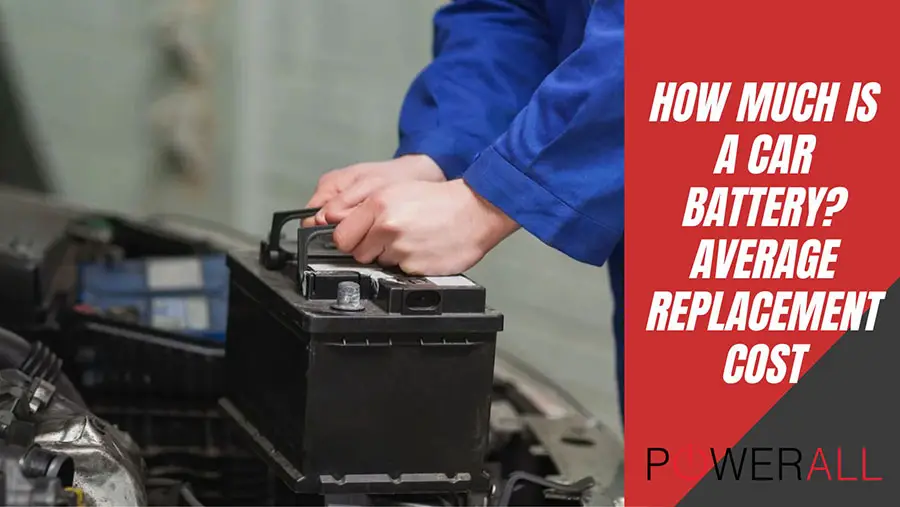
A dead battery is one of the most common car troubles, leaving you stranded and frustrated. Understanding the costs associated with battery replacement, along with basic maintenance and troubleshooting, can save you time and money. This article breaks down the factors influencing battery replacement costs and provides practical advice for car owners and mechanics.
Understanding the Costs of Battery Replacement
The cost of replacing a car battery varies significantly depending on several factors:
- Battery Type: Standard lead-acid batteries are the most affordable, typically ranging from $50 to $150. AGM (Absorbent Glass Mat) batteries, designed for vehicles with start-stop systems or heavy electrical loads, are more expensive, costing between $150 and $300 or more. Consider a 2018 Ford F-150 with auto start-stop; it requires an AGM battery for proper function.
- Battery Group Size: Different vehicles require different battery sizes, impacting the cost. A small sedan like a Honda Civic may need a smaller, less expensive battery than a large SUV like a Chevrolet Tahoe.
- Brand: Reputable brands like Interstate, Optima, and DieHard often come with longer warranties and better performance, but they also tend to be pricier.
- Labor Costs: If you choose to have a mechanic replace the battery, expect to pay for labor. Labor costs can range from $20 to $100, depending on the complexity of the job and the hourly rate of the mechanic. Some vehicles have batteries that are difficult to access, increasing labor time. For example, certain Subaru models have the battery located under the rear seat.
- Location: Prices can vary based on your location. Larger cities typically have higher labor rates.
Total cost: Expect to pay anywhere from $70 to $400+ for a battery replacement, including parts and labor.
Troubleshooting Battery Issues: Symptoms, Causes, and Fixes
Recognizing the symptoms of a failing battery early on can prevent a complete breakdown. Here are some common indicators:
Symptom: Slow Engine Cranking
Cause: The battery is not providing enough power to the starter motor. This is often the first sign of a weakening battery.
Fix: Have the battery tested. If it's nearing the end of its life, replace it. Check the connections for corrosion; clean them with a wire brush and apply terminal protectant.
Symptom: Dim Headlights
Cause: A weak battery can't supply sufficient power to the headlights. This is especially noticeable at idle.
Fix: Test the battery and charging system. If the battery is weak, replace it. Also, check the alternator; a faulty alternator may not be properly charging the battery.
Symptom: Warning Lights on the Dashboard (e.g., Battery Light)
Cause: The car's computer detects a voltage drop or other battery-related issue.
Fix: Use an OBD-II scanner to check for diagnostic trouble codes (DTCs). Investigate the charging system (alternator, voltage regulator). A professional diagnostic check is often needed.
Symptom: Car Won't Start (Clicking Sound)
Cause: The battery is completely dead and unable to power the starter motor. The clicking sound is the starter solenoid trying to engage.
Fix: Try jump-starting the car. If the car starts with a jump, have the battery and charging system tested. The battery likely needs replacement. Also, consider parasitic drain (explained below).
Symptom: Swollen or Leaking Battery
Cause: Overcharging, extreme temperatures, or age can cause the battery to swell or leak.
Fix: Replace the battery immediately. A swollen or leaking battery is a safety hazard. Inspect the charging system to prevent future overcharging.
Real-World Issues and Solutions
Problem: Parasitic Drain
Description: Even when the car is off, some components (e.g., alarm system, clock) draw a small amount of current from the battery. Excessive parasitic drain can kill a battery overnight.
Solution: Use a multimeter to measure the parasitic drain. A normal drain is typically less than 50 milliamps. If the drain is excessive, systematically disconnect circuits to identify the source of the drain.
Problem: Alternator Failure
Description: A faulty alternator won't properly charge the battery while the engine is running, leading to a dead battery.
Solution: Test the alternator's output voltage. It should be between 13.5 and 14.5 volts. If the alternator is not producing the correct voltage, it needs to be replaced.
Problem: Incorrect Battery Selection
Description: Using a battery with the wrong cold cranking amps (CCA) or reserve capacity can lead to performance issues and a shortened battery life.
Solution: Always consult the owner's manual or a battery size guide to ensure you are using the correct battery for your vehicle.
Maintenance Tips for a Longer Battery Life
- Regular Battery Testing: Have your battery tested at least once a year, especially before winter.
- Clean Battery Terminals: Corrosion on the terminals can impede the flow of electricity. Clean them regularly with a wire brush and apply terminal protectant.
- Secure Battery Mounting: Make sure the battery is securely mounted to prevent vibration, which can damage the internal components.
- Avoid Short Trips: Short trips don't allow the alternator enough time to fully recharge the battery. Take longer drives occasionally to keep the battery charged.
- Turn Off Accessories: Turn off headlights, the radio, and other accessories when the engine is off to reduce the load on the battery.
- Consider a Trickle Charger: If you don't drive your car frequently, use a trickle charger to keep the battery topped off.
Keeping Your Car in Top Condition
Maintaining your car's battery and electrical system is crucial for reliable performance. Regular check-ups, addressing issues promptly, and following preventative maintenance schedules can significantly extend the life of your car and prevent costly repairs. Don't neglect the small things; clean connections, test the battery regularly, and be mindful of parasitic drains. A little proactive care goes a long way in keeping your car running smoothly.