
How Much Does It Cost To Change A Muffler
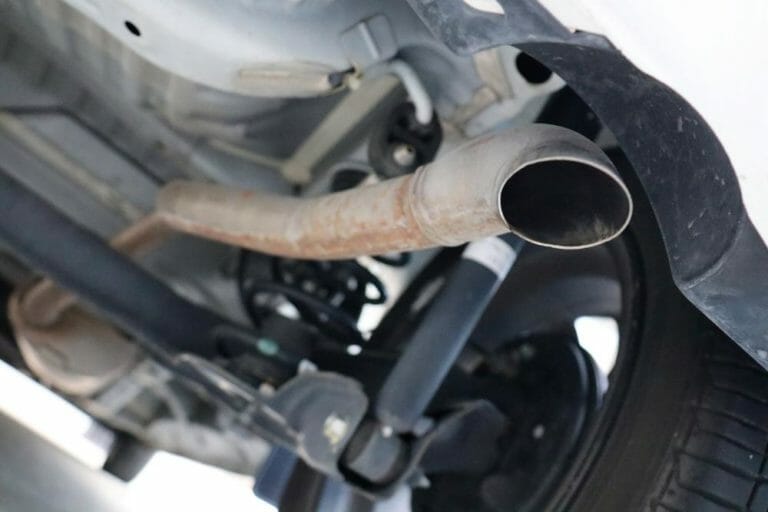
The muffler, often overlooked until it's screaming for attention, plays a vital role in your vehicle's overall health and your peace of mind. Beyond simply quieting engine noise, it contributes to backpressure regulation and can even impact fuel efficiency. So, when it comes time to replace this crucial component, understanding the costs involved is essential. This article delves into the factors influencing muffler replacement expenses, giving you a comprehensive overview for informed decision-making.
Factors Influencing Muffler Replacement Costs
The cost to change a muffler isn't a fixed number; it's a range influenced by several key elements:
- Vehicle Make and Model: Luxury brands like BMW or Mercedes-Benz generally have higher parts costs compared to more mainstream vehicles like Toyota or Honda. Some models also have more complex exhaust systems, making muffler replacement more labor-intensive.
- Muffler Type: The type of muffler you choose significantly impacts the price. Basic, stock replacement mufflers are the most affordable option. Performance mufflers, often made from stainless steel and designed for improved exhaust flow, command a higher price. Aftermarket mufflers, offering custom sound profiles, can fall anywhere on the spectrum depending on their quality and complexity.
- Material: Mufflers are typically constructed from aluminized steel or stainless steel. Aluminized steel is cheaper but more susceptible to rust, especially in regions with harsh winters. Stainless steel mufflers offer superior corrosion resistance and longevity, justifying their higher price tag. Consider your climate when choosing a material; in rust-prone areas, the investment in stainless steel is often worthwhile.
- Labor Costs: Labor rates vary considerably depending on your location and the mechanic's hourly rate. Independent shops often offer more competitive labor prices compared to dealerships. The complexity of the replacement also affects labor time. A straightforward bolt-on replacement will be cheaper than one requiring welding or modifications.
- Exhaust System Condition: If the entire exhaust system is heavily corroded, replacing just the muffler might be a short-term solution. Mechanics may recommend replacing other components, like the tailpipe, resonator, or even the catalytic converter, which will significantly increase the overall cost. Addressing underlying exhaust system issues prevents future problems and can improve overall vehicle performance.
Estimating the Cost: Parts and Labor
Let's break down the cost into its core components:
- Muffler Cost: A basic, stock replacement muffler can range from $50 to $200. Performance or stainless steel mufflers can easily cost $200 to $600 or more.
- Labor Cost: Labor charges typically range from $50 to $200, depending on the shop's hourly rate and the complexity of the job. If welding or modifications are required, labor costs will increase.
Therefore, the total cost to change a muffler typically falls within the range of $100 to $800. However, this is just an estimate. It's always best to get a quote from a trusted mechanic to get a more accurate assessment based on your specific vehicle and needs.
DIY Muffler Replacement: Is it a Good Idea?
For experienced DIYers with the right tools and knowledge, replacing a muffler can be a manageable project. However, it's crucial to assess your skills honestly. Welding might be required, and working under a vehicle always carries inherent risks. You'll need safety glasses, gloves, a jack and jack stands, wrenches, sockets, and potentially a saw or grinder to remove the old muffler. If you are not comfortable working on your exhaust system, it is recommended to get a professional to do the job.
Preventative Maintenance and Long-Term Savings
While muffler replacement is sometimes unavoidable, preventative maintenance can extend its lifespan. Regular inspections can identify early signs of rust or damage. Promptly addressing minor issues, such as loose clamps or small leaks, can prevent them from escalating into more significant problems requiring full replacement. A quality muffler, coupled with proactive maintenance, can ultimately save you money in the long run.
Real-World Example
Consider a 2015 Honda Civic with a corroded muffler. A local independent shop quoted $250 for a replacement, including a standard aluminized steel muffler and one hour of labor. The dealership quoted $400 for the same job, using an OEM (Original Equipment Manufacturer) muffler. The owner opted for the independent shop, saving $150. This illustrates the importance of comparing quotes from different shops.
Ultimately, knowing the factors that influence muffler replacement costs empowers you to make informed decisions, ensuring you get the best value for your money while keeping your vehicle running smoothly and quietly.