
How Much Does It Cost To Do A Head Gasket
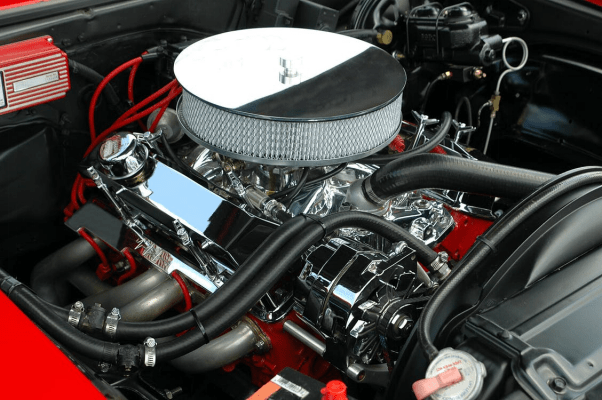
The head gasket is a critical component in your car's engine, sealing the combustion chamber and preventing coolant and oil from mixing. A blown head gasket can lead to serious engine damage if left unattended. Understanding the costs associated with a head gasket repair, as well as the symptoms, causes, and preventative measures, is crucial for every car owner and mechanic.
What Does a Head Gasket Do?
Essentially, the head gasket sits between the engine block and the cylinder head. Its primary function is to maintain a tight seal, preventing combustion gases, coolant, and oil from leaking into each other. This seal is vital for proper engine operation, efficient combustion, and effective cooling. When this seal fails, the consequences can be quite severe.
Symptoms of a Blown Head Gasket
Identifying a blown head gasket early can save you significant money and prevent further engine damage. Here are some common symptoms to watch out for:
- Overheating: This is perhaps the most common symptom. Coolant leaking into the combustion chamber or exhaust system reduces the cooling capacity, causing the engine to overheat, especially under load.
- White Smoke from Exhaust: This indicates coolant burning in the combustion chamber. The smoke will usually have a sweet smell.
- Milky Oil: This is a sign of coolant mixing with the engine oil. Check your dipstick – if the oil appears milky or frothy, it's a strong indication of a head gasket leak.
- Loss of Coolant: If you constantly need to add coolant, despite no visible leaks, it could be escaping through a breached head gasket.
- Bubbles in the Radiator or Overflow Tank: Combustion gases leaking into the cooling system can create bubbles. You might also notice a pressure buildup.
- Poor Engine Performance: Misfires, loss of power, and rough idling can occur due to improper combustion.
For example, a 2010 Honda Civic experiencing consistent overheating and white smoke from the exhaust likely has a head gasket issue. Similarly, a 2015 Ford F-150 with a milky substance on the oil dipstick points towards coolant contamination from a leaky head gasket.
Causes of Head Gasket Failure
Several factors can contribute to head gasket failure:
- Overheating: Excessive heat puts immense stress on the head gasket, causing it to warp and eventually fail. This is the most common cause.
- Detonation (Knocking): Detonation creates abnormal pressure spikes in the combustion chamber, which can weaken the head gasket.
- Improper Torque: If the head bolts weren't tightened to the correct torque specifications during a previous repair, the seal may not be adequate.
- Corrosion: Over time, corrosion can weaken the head gasket material, leading to leaks.
- Age and Mileage: Like any component, head gaskets degrade with age and high mileage.
The Cost of Repairing a Head Gasket
The cost to replace a head gasket can vary significantly depending on several factors:
- Vehicle Make and Model: Some vehicles are simply more labor-intensive to work on. A complex engine design, like those found in certain European cars (e.g., BMW, Mercedes-Benz), will likely result in higher labor costs. A simpler engine, like that found in a Toyota Corolla, might be less expensive.
- Labor Rates: Labor rates vary widely depending on your location and the experience of the mechanic. Dealerships typically charge more than independent shops.
- Parts Costs: The head gasket itself is relatively inexpensive, but you'll likely need to replace other parts as well, such as head bolts, coolant hoses, thermostat, and possibly even have the cylinder head resurfaced (machined) to ensure a perfect seal. A head gasket kit, which includes the gasket and other necessary seals, can add to the cost.
- Cylinder Head Machining: If the cylinder head is warped or damaged, it needs to be resurfaced by a machine shop. This adds to the overall cost but is crucial for a long-lasting repair.
Estimates:
- Low End: $1,000 - $1,500 (simpler engines, independent shops)
- Mid-Range: $1,500 - $2,500 (most common)
- High End: $2,500 - $4,000+ (complex engines, dealerships, cylinder head machining required)
Example: Replacing the head gasket on a 2012 Toyota Camry at an independent shop might cost between $1,200 and $2,000. Replacing the head gasket on a 2016 Audi A4 at a dealership, which might require cylinder head resurfacing, could easily exceed $3,000.
Troubleshooting and DIY Considerations
While replacing a head gasket is a complex job best left to professionals, you can perform some basic troubleshooting. A compression test or a block test (using a chemical tester to detect combustion gases in the coolant) can help confirm a head gasket leak. However, interpreting the results accurately requires experience.
DIY Repair: Replacing a head gasket is a very involved process. It requires specialized tools, mechanical knowledge, and patience. It is generally not recommended for beginners. Improper installation can lead to catastrophic engine damage. If you're considering a DIY approach, thoroughly research the procedure for your specific vehicle and have access to a repair manual and the necessary tools.
Preventative Maintenance
The best way to avoid a costly head gasket repair is through preventative maintenance:
- Regular Cooling System Maintenance: Flush and replace your coolant at the recommended intervals. This prevents corrosion and ensures proper heat transfer.
- Monitor Engine Temperature: Pay attention to your temperature gauge. If you notice your engine overheating, pull over immediately and address the issue before it causes further damage.
- Address Leaks Promptly: Don't ignore small coolant or oil leaks. These can lead to overheating and other problems that stress the head gasket.
- Use the Correct Fuel: Using the recommended octane fuel helps prevent detonation.
- Regularly Check Fluid Levels: Keep an eye on your coolant and oil levels. Low levels can lead to overheating and engine damage.
Keeping Your Car in Top Condition
By following a strict maintenance schedule, addressing issues promptly, and paying attention to warning signs, you can significantly extend the life of your engine and avoid major repairs like head gasket replacement. Regular oil changes, coolant flushes, and visual inspections are key. Don't underestimate the importance of listening to your car – unusual noises, vibrations, or smells can be early indicators of problems. Partnering with a trusted mechanic who understands your vehicle and provides honest advice is also invaluable in keeping your car running smoothly for years to come.