
How Much Does It Cost To Drain A Gas Tank
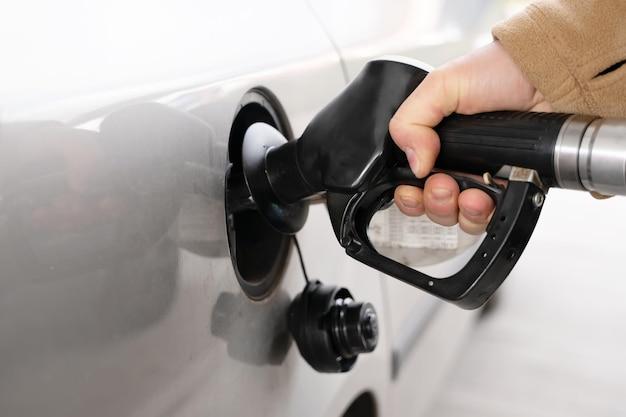
The question of how much it costs to drain a gas tank might seem simple, but the answer is surprisingly nuanced. It depends heavily on who performs the task, why the gas needs draining, and the complexity of the vehicle involved. This guide breaks down the costs associated with draining a gas tank, exploring the various factors that influence the final price and offering insights into DIY approaches versus professional services.
Reasons for Draining a Gas Tank
Before diving into costs, it's crucial to understand the common reasons for needing to drain a gas tank. These reasons directly impact the complexity of the job and, consequently, the price.
- Contamination: This is perhaps the most frequent reason. Water intrusion, old fuel degrading into varnish, or accidentally filling the tank with the wrong fuel (e.g., diesel in a gasoline engine) necessitates draining. The cost here often includes not just draining but also flushing the fuel lines and replacing the fuel filter.
- Extended Storage: If a vehicle is going into long-term storage (months or even years), draining the fuel tank prevents fuel degradation and potential damage to the fuel system components. This is usually a simpler process than dealing with contamination.
- Repair Work: Certain repairs, such as fuel pump replacement or fuel tank repair, require emptying the tank for safety reasons. The draining cost is often bundled into the overall repair bill.
- Fuel Theft Prevention: In rare cases, individuals might drain their fuel tank as a preventative measure against theft, although this is a relatively uncommon practice.
- Weight Reduction (Racing): Race car teams often drain the fuel tank to the minimum required level to reduce weight and improve performance. This is typically a very quick and straightforward process.
DIY vs. Professional Draining
The most significant cost factor is whether you choose to tackle the task yourself (DIY) or hire a professional mechanic. Both options have their pros and cons.
DIY Draining
Pros:
Cost Savings: The primary advantage is the significantly lower cost. You'll only be paying for the necessary tools and materials.
Learning Experience: Draining a gas tank can be a valuable learning experience, especially for those interested in automotive maintenance.
Cons:
Safety Risks: Gasoline is highly flammable and potentially explosive. DIY draining requires strict adherence to safety precautions to avoid serious injury or property damage. Proper ventilation is crucial.
Environmental Concerns: Improper disposal of gasoline can contaminate soil and water. You must have a plan for safe and environmentally responsible disposal of the drained fuel.
Complexity: Some vehicles have complex fuel systems that make DIY draining difficult or impossible without specialized tools and knowledge. Modern vehicles often have anti-siphon devices to prevent easy fuel removal.
Time Commitment: Draining a gas tank can be time-consuming, especially if you're unfamiliar with the process.
Estimated DIY Costs:
- Siphon Hose: $10 - $30
- Fuel Can(s): $20 - $50 (depending on capacity and number)
- Safety Glasses: $10 - $20
- Gloves (Chemical Resistant): $5 - $15
- Shop Rags: $5 - $10
Therefore, the total cost for a DIY draining project could range from $50 to $125. However, this excludes the cost of specialized tools that might be required for certain vehicles, and the cost of disposal (which may involve a fee at a hazardous waste disposal facility).
Professional Draining
Pros:
Safety: Professional mechanics are trained to handle gasoline safely and have the necessary equipment to minimize risks.
Expertise: They have the knowledge and experience to drain fuel tanks efficiently and effectively, even on complex vehicles.
Proper Disposal: Mechanics are responsible for the proper disposal of the drained fuel, adhering to environmental regulations.
Convenience: You simply drop off your vehicle and let the professionals handle the job.
Cons:
Higher Cost: Professional services are significantly more expensive than DIY draining.
Potential for Upselling: Some mechanics might try to upsell you on unnecessary services, such as fuel system cleaning or injector replacement. Always get a clear explanation of all charges.
Estimated Professional Costs:
The cost of professional fuel tank draining varies widely depending on the labor rates in your area, the type of vehicle, and the specific reason for draining. However, here's a general breakdown:
- Labor: $75 - $150 per hour (most jobs take 1-3 hours). A simple drain might take an hour, while dealing with contaminated fuel could take significantly longer.
- Fuel Disposal Fee: $10 - $30 (this covers the cost of safely disposing of the gasoline).
- Parts (if needed): Fuel filter replacement, fuel line cleaning products, etc. (Variable).
Therefore, the total cost for professional draining can range from $100 to $500 or even more. Complex cases involving contaminated fuel, fuel system flushing, and parts replacement can easily exceed $500.
Factors Affecting Professional Costs
Several factors influence the final cost of professional fuel tank draining:
- Vehicle Type: Some vehicles have more complex fuel systems or require specialized tools, increasing labor time and cost. European vehicles, for instance, can sometimes be more challenging to work on.
- Fuel Tank Location: The location of the fuel tank can affect the ease of access and the time required for draining.
- Contamination Level: Heavily contaminated fuel systems require more extensive cleaning and flushing, adding to the labor cost.
- Shop Rates: Labor rates vary significantly depending on location and the shop's reputation. Dealerships generally charge higher rates than independent repair shops.
- Diagnostic Time: If the reason for draining the tank isn't immediately obvious (e.g., the engine won't start), diagnostic time will be added to the bill.
Reducing Costs
Here are some tips to potentially reduce the cost of draining a gas tank:
- Get Multiple Quotes: Contact several mechanics and compare their prices. Be sure to ask for a detailed breakdown of the estimated costs.
- Provide Detailed Information: Clearly explain the reason for draining the tank and any symptoms you've observed. This can help the mechanic diagnose the problem quickly and efficiently.
- Consider DIY Options (If Appropriate): If you're comfortable with basic automotive maintenance and safety precautions, consider draining the tank yourself for simple cases like long-term storage.
- Ask About Bundled Services: If you need other related services, such as a fuel filter replacement, ask if the mechanic offers a bundled discount.
- Avoid Unnecessary Services: Be wary of mechanics who try to upsell you on services you don't need. Get a second opinion if you're unsure.
Ultimately, the cost of draining a gas tank depends on a variety of factors. Understanding these factors will help you make an informed decision about whether to tackle the task yourself or hire a professional.