
How Much Does It Cost To Fix A Bent Wheel
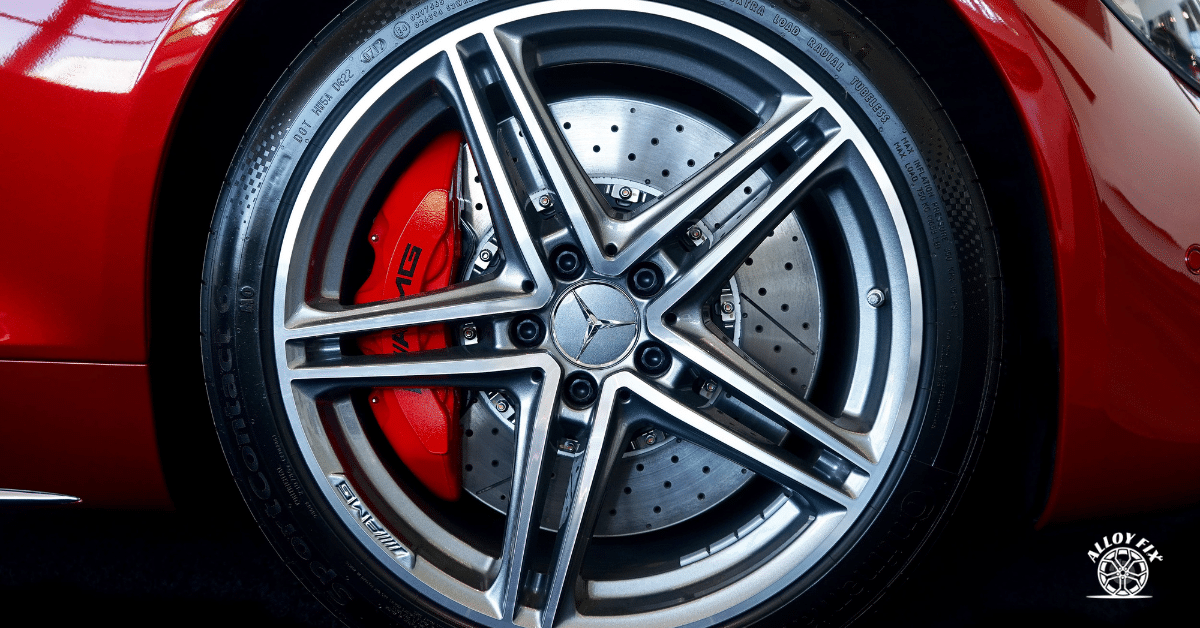
Ah, the dreaded curb strike. That sickening scrape, the lurch, the immediate sinking feeling... We've all been there. And if you're anything like us, the first thought that follows is usually, "How much is this going to cost me?" Today, we're diving deep into the world of bent wheels, exploring the repair options, the variables that affect pricing, and what to expect depending on your ride.
The Spectrum of Wheel Damage: From Minor Scrapes to Major Bends
The first step is assessing the damage. A purely cosmetic scrape is a different beast than a wheel that’s visibly bent or causing vibrations. A light scrape might be addressed with some careful sanding, filling, and paint – a DIY job for the brave and patient, or a relatively inexpensive fix at a dedicated wheel repair shop. A bend, however, throws a wrench into the works. It can compromise the structural integrity of the wheel, leading to vibrations, uneven tire wear, and even a potential blowout.
The Cost Breakdown: Steel vs. Alloy vs. Carbon Fiber
The material of your wheel is a huge factor in the repair cost. Let’s break it down:
Steel Wheels
The workhorses of the wheel world. Found on many entry-level models, older cars, and winter setups, steel wheels are generally the least expensive to repair, or, more realistically, replace. They're often more susceptible to bending than cracking, making repair a viable option.
- Pros: Affordable repair or replacement, relatively durable.
- Cons: Heavy, aesthetically basic, prone to rust if damaged.
Alloy Wheels
The most common type of wheel, alloys offer a balance of aesthetics, performance, and weight. Repair costs for alloy wheels can vary greatly depending on the severity of the damage, the complexity of the wheel design, and the finish. Polished, painted, and machined finishes each require different repair techniques and have different price points.
- Pros: Lighter than steel, wider range of styles and finishes, better heat dissipation.
- Cons: More expensive than steel, more prone to cracking, complex repairs can be costly.
Carbon Fiber Wheels
The pinnacle of wheel technology. Found on high-performance vehicles from the likes of Porsche, Ferrari, and BMW, carbon fiber wheels are incredibly light and strong. However, they are extremely expensive and complex to repair. Minor cosmetic damage might be repairable, but structural damage often necessitates complete replacement. We're talking serious cash here – often thousands of dollars per wheel.
- Pros: Ultra-lightweight, incredibly strong, enhances handling and performance.
- Cons: Extremely expensive, difficult and costly to repair, susceptible to delamination.
Cost Comparison Table (Estimates Only!)
| Wheel Type | Minor Scrape Repair | Moderate Bend Repair | Severe Bend/Crack - Repair Possible? | Replacement Cost (Each) |
|---|---|---|---|---|
| Steel | $50 - $100 | $75 - $150 | Yes, usually | $75 - $200 |
| Alloy | $75 - $200 | $150 - $400 | Sometimes, depends on damage | $200 - $1000+ |
| Carbon Fiber | $200 - $500 (Cosmetic Only) | Rarely Repairable | Almost Never | $2000 - $10,000+ |
Note: These are estimates only. Prices can vary significantly based on location, shop rates, and the specific wheel in question.
Factors That Influence Repair Costs
- Wheel Size: Larger wheels generally cost more to repair or replace.
- Complexity of Design: Intricate designs and multi-piece wheels increase repair complexity and cost.
- Finish: Polished, chrome, or multi-stage painted finishes require specialized techniques and add to the expense.
- Tire Removal and Remounting: Don't forget to factor in the cost of dismounting, mounting, and balancing the tire.
- Hidden Damage: A bent wheel can also damage the tire or suspension components, adding to the overall repair bill.
Repair vs. Replace: When to Cut Your Losses
The big question: is it worth repairing a bent wheel, or should you just bite the bullet and replace it? A good rule of thumb: if the bend is minor and doesn't affect the wheel's structural integrity, repair is usually the more economical option. However, if the wheel is severely bent, cracked, or has suffered significant metal fatigue, replacement is the safer and ultimately more cost-effective choice in the long run.
Safety First: A compromised wheel can lead to catastrophic failure, especially at high speeds. Always prioritize safety over saving a few bucks.
Real-World Driving Impressions: Feeling the Difference
Let's say you've just repaired (or replaced) a bent wheel. What can you expect? Well, if the damage was significant, you'll likely notice a dramatic improvement in ride quality and handling. Vibrations will disappear, steering will feel more precise, and the car will track straight. You might even notice improved fuel economy (due to reduced rolling resistance from a properly balanced wheel and tire).
However, even a perfectly repaired wheel might not feel exactly like new. There's always a slight risk of residual imperfections, especially with complex repairs. That's why it's crucial to choose a reputable wheel repair shop with experienced technicians.
And now, the fun part... Let's spark some debate! Which is worse: curbing your wheels on a brand new car, or getting a door ding the first week you own it? Let us know in the comments!