
How Much Does It Cost To Fix A Car Window
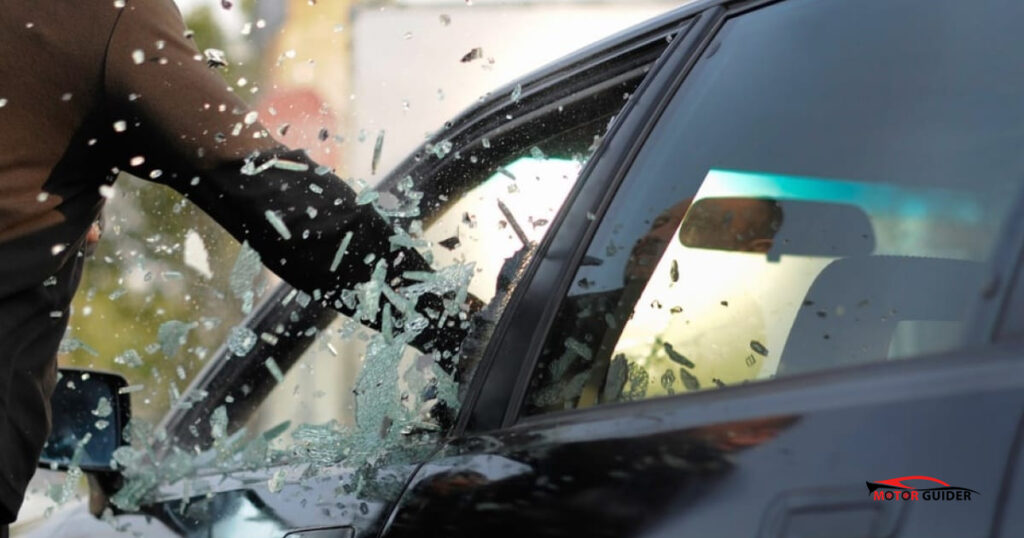
Okay, let's face it. We've all been there, haven't we? That sickening *crack* or shattering *smash* that signals your car window has just had a very, very bad day. Whether it's a rogue baseball, a clumsy encounter with a tree branch, or, heaven forbid, something more sinister, a busted car window is a major inconvenience and a definite hit to the wallet. But just how big of a hit? The answer, as with most things automotive, is: it depends.
The Window Woes: A Cost Breakdown
Figuring out the cost to repair or replace a car window is a bit like trying to predict the weather in England – complex and often unpredictable. Several factors influence the final price, and understanding these is key to getting the best deal. We're breaking it down for you, from the budget beater to the luxury cruiser.
- Type of Glass: Front windshields, side windows, and rear windows use different types of glass and have varying replacement procedures. Front windshields are typically laminated for safety, while side and rear windows are tempered. Tempered glass shatters into small, relatively harmless pieces, while laminated glass is designed to stay in one piece, even when cracked.
- Vehicle Make and Model: This is a big one. A window for a 1998 Honda Civic will be drastically cheaper than one for a 2023 BMW M8. Luxury vehicles often have more complex window systems (think rain sensors, heated elements, and acoustic dampening) that significantly increase the cost.
- Features & Technology: Does your window have heating elements for defrosting? Is it equipped with rain sensors? Does it integrate with advanced driver-assistance systems (ADAS)? The more features, the more expensive the replacement.
- Labor Costs: Labor rates vary depending on your location and the shop you choose. Dealerships typically charge higher labor rates than independent auto glass shops.
- DIY vs. Professional Installation: While a DIY repair might seem tempting to save money, improperly installed glass can compromise safety and structural integrity. It's generally recommended to leave this job to the pros.
Model-Specific Examples: The Price Tag Varies
Let's get down to brass tacks and look at some real-world examples. We've compiled data from various sources to give you a general idea of what you can expect to pay.
| Vehicle | Window Type | Estimated Cost (Including Labor) | Notes |
|---|---|---|---|
| Honda Civic (2018) | Side Window | $200 - $350 | Relatively straightforward replacement. |
| Ford F-150 (2020) | Rear Window (with Defroster) | $400 - $600 | Defroster adds to the cost. |
| Tesla Model 3 (2022) | Side Window | $350 - $550 | More complex due to frameless design and potential sensor calibration. |
| BMW X5 (2023) | Windshield (with Rain Sensor & ADAS) | $800 - $1500+ | High cost due to advanced technology and potential ADAS recalibration. |
DIY or Pro: A Risky Gamble?
The allure of saving a few bucks with a DIY window repair is strong, especially if you're mechanically inclined. However, we urge caution. Here's a quick rundown of the pros and cons:
- DIY Pros:
- Lower upfront cost (you only pay for the glass and materials).
- Sense of accomplishment (if you succeed!).
- DIY Cons:
- Requires specialized tools and knowledge.
- Increased risk of improper installation, leading to leaks, noise, and safety issues.
- Potential for injury.
- May void warranties on other components.
Our recommendation: Unless you have extensive experience with auto glass repair, leave it to the professionals. The peace of mind and guaranteed workmanship are worth the extra cost.
Driving Impressions (Figuratively Speaking!)
Imagine driving down the road with a perfectly installed, crystal-clear window. No wind noise, no leaks, and a clear view of the world. That's the feeling you get when you invest in quality auto glass and professional installation. On the other hand, a poorly installed window can be a constant source of frustration and a safety hazard. Think of it as the difference between a finely tuned sports car and a rusty old clunker.
Engines & Tech: How They Impact Window Costs
While the engine itself doesn't directly influence the cost of a car window replacement, the *technology* associated with higher-end vehicles certainly does. For example, cars with advanced driver-assistance systems (ADAS) like lane departure warning, adaptive cruise control, and automatic emergency braking often rely on sensors mounted near the windshield. Replacing the windshield on these vehicles requires recalibrating the ADAS system, which can add hundreds of dollars to the overall cost. Similarly, luxury vehicles often feature acoustic glass designed to reduce road noise. This type of glass is more expensive than standard glass.
The type of engine *can* indirectly impact the value of the car and how much the owner is willing to invest in quality parts and repairs. Someone driving a meticulously maintained classic car might be more inclined to opt for premium glass and professional installation, while someone driving a budget-friendly commuter car might be more price-conscious.
In Summary: Modern cars are getting smarter, but this comes at a price. The more technology your car has, the more expensive it will be to repair or replace its windows.
So, there you have it – a comprehensive guide to the cost of fixing a car window. Remember, safety and quality should always be your top priorities. Don't skimp on the glass or the installation. Your wallet (and your well-being) will thank you for it in the long run.
Now, for the debate: Are run-flat tires worth the extra cost, considering they might prevent you from needing a window replaced if you get a flat in a dodgy neighborhood? Discuss!