
How Much Does It Cost To Fix A Compressor
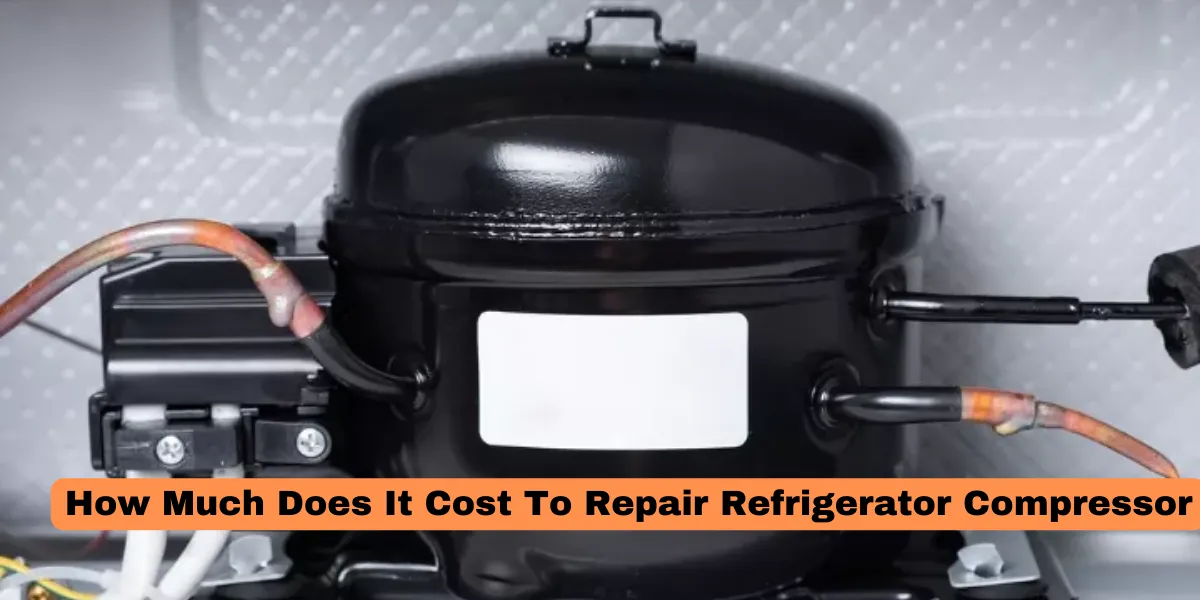
Dealing with a broken compressor, whether it's in your AC unit, refrigerator, or air suspension system, can be a real headache. One of the first questions that pops into your mind is likely, "How much is this going to cost?" Unfortunately, there's no single answer. The price to fix a compressor varies wildly depending on several factors. As a service advisor with years of experience, I'll break down the common issues, cost ranges, and some things you can consider before making a repair decision.
Understanding Compressor Problems and Associated Costs
Before we dive into the price tags, let's quickly touch on what a compressor does and the common problems that can arise. A compressor essentially increases the pressure of a fluid or gas, like refrigerant in an AC system or air in an air suspension system. When it fails, you'll notice symptoms like a lack of cooling, unusual noises, or the system simply not working at all.
Factors Affecting Compressor Repair Costs:
- Type of Compressor: This is a big one! A small refrigerator compressor will be far cheaper to replace than a heavy-duty industrial air compressor or a vehicle's AC compressor.
- Complexity of the System: Is the compressor part of a simple, self-contained unit, or is it integrated into a complex system with multiple components? More complex systems often mean more labor hours for diagnosis and repair.
- Make and Model of the Unit: Just like cars, certain brands and models have parts that are more readily available (and therefore cheaper) than others. High-end appliances or vehicles often have higher repair costs.
- Labor Costs: This varies significantly depending on your location and the expertise of the technician. Expect to pay more in urban areas.
- New vs. Rebuilt vs. Used: You have options! A brand-new compressor will always be the most expensive, while a rebuilt or used compressor can save you money, but may come with a shorter lifespan.
- Required Additional Repairs: Often, a failed compressor isn't the only problem. Debris from the damaged compressor can contaminate the entire system, requiring flushing and replacement of other components like filters and expansion valves.
- Warranty Coverage: Check if your appliance or vehicle is still under warranty. This could significantly reduce or even eliminate your out-of-pocket costs.
Common Compressor Repair Scenarios and Price Estimates
Let's look at some specific examples to give you a better idea of what to expect.
Air Conditioning Compressor Repair (Automotive):
This is a common one, especially during the summer months. Symptoms include weak or no cold air, a loud rattling noise when the AC is turned on, or refrigerant leaks. Replacing an AC compressor in a car is typically a moderate to complex repair.
Estimated Cost: $500 - $1200+ This usually includes the compressor itself, refrigerant, labor, and potentially other components like the receiver drier/accumulator and expansion valve. Higher-end vehicles or those with more complex AC systems can easily exceed this range. Always get a detailed quote that breaks down the cost of parts and labor.
Tools potentially needed (DIY, with caution!): AC manifold gauge set, vacuum pump, refrigerant, wrenches, sockets, and a recovery machine (essential for safely removing refrigerant). This repair should ideally be done by a certified AC technician due to the handling of refrigerants and the complexity of the system. Improper repair can damage the system and release harmful greenhouse gasses.
Refrigerator Compressor Repair:
A malfunctioning refrigerator compressor can lead to your food spoiling quickly. You might hear a clicking sound followed by silence, or the fridge simply isn't cooling properly.
Estimated Cost: $300 - $800. This covers the compressor, labor, and refrigerant. Some refrigerators have sealed systems that are difficult to access, which can increase labor costs. It's often wise to compare the cost of repair to the cost of a new refrigerator, especially for older models.
Tools potentially needed (DIY, with caution!): Refrigerant recovery machine (essential!), brazing torch, vacuum pump, refrigerant, multimeter, wire strippers, and safety glasses. Refrigerant handling is dangerous and requires proper training and certification. This repair is best left to a qualified appliance repair technician.
Air Compressor (Shop/Garage) Repair:
These compressors power tools like nail guns, impact wrenches, and paint sprayers. Common problems include the compressor not building pressure, leaking air, or making excessive noise.
Estimated Cost: $150 - $600 (or more for larger industrial units). For smaller, portable compressors, a new unit might be more cost-effective than repairing the compressor. For larger, stationary compressors, repair is often the better option. Common repairs include replacing the piston rings, valves, or the entire compressor pump assembly.
Tools potentially needed (DIY): Wrenches, sockets, screwdrivers, pliers, a multimeter, and possibly specialized tools for removing and installing piston rings and valves. A pressure gauge is essential for testing the compressor's output.
Air Suspension Compressor Repair (Vehicles):
Vehicles with air suspension systems rely on a compressor to maintain the correct ride height. A failing compressor can result in a sagging suspension, a rough ride, and warning lights on the dashboard.
Estimated Cost: $400 - $1000+. Air suspension compressors can be expensive, especially for luxury vehicles. In addition to the compressor itself, you might need to replace the air struts or other components of the air suspension system.
Tools potentially needed (DIY, with caution!): Scan tool capable of reading and clearing air suspension fault codes, wrenches, sockets, a multimeter, and potentially specialized tools for disconnecting air lines. Air suspension systems can be dangerous if not properly depressurized before working on them. It's recommended to have this repair done by a qualified mechanic with experience in air suspension systems.
Making the Right Decision: Repair or Replace?
Before authorizing a compressor repair, ask yourself these questions:
- What's the age and overall condition of the unit? If it's nearing the end of its lifespan, a replacement might be more economical in the long run.
- How does the repair cost compare to the cost of a new unit? Get quotes for both repair and replacement and weigh the pros and cons.
- What's the warranty on the repaired or replaced compressor? A longer warranty provides peace of mind.
- What are the potential risks of a DIY repair? Consider your skill level and the potential for further damage or injury.
Tips for Saving Money on Compressor Repairs:
- Get multiple quotes. Don't settle for the first estimate you receive.
- Consider a rebuilt or used compressor. But be sure to check the warranty and the reputation of the supplier.
- Ask about preventative maintenance. Regular maintenance can extend the life of your compressor and prevent future problems. For example, regularly cleaning the coils on your refrigerator or checking the air filter on your air compressor can significantly improve its performance and lifespan.
- Do some basic troubleshooting yourself. Check for obvious problems like loose connections or a tripped circuit breaker before calling a technician.
Ultimately, the decision of whether to repair or replace a compressor depends on your specific circumstances. By understanding the factors that affect repair costs and weighing your options carefully, you can make an informed decision that saves you money and gets your system back up and running.
Important Note: Refrigerant handling should only be performed by certified technicians. Improper handling can be dangerous and illegal.