
How Much Does It Cost To Fix A Freon Leak
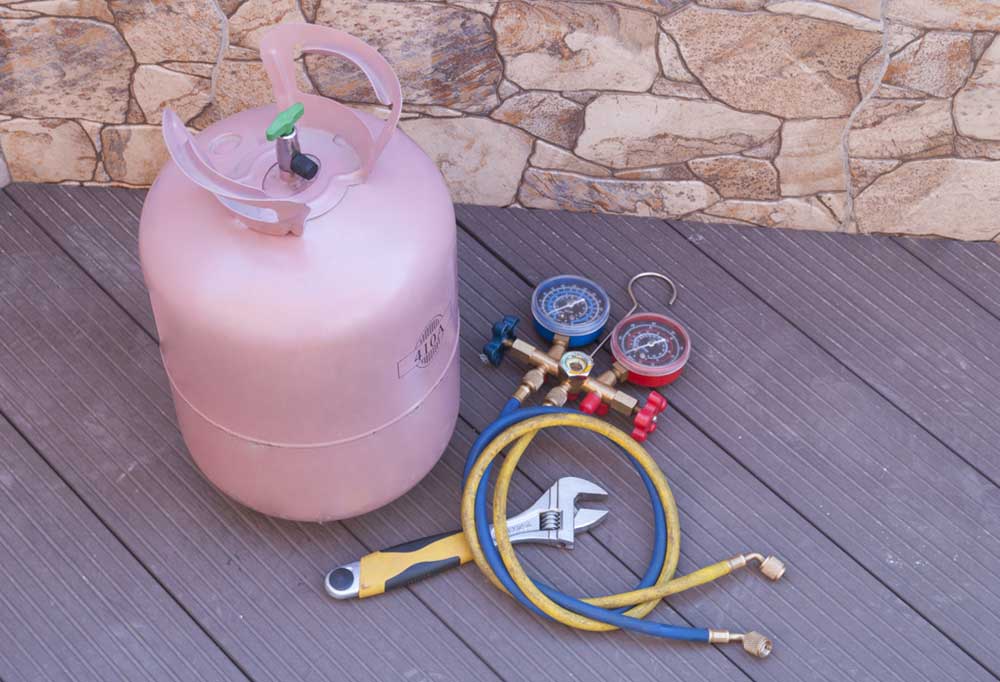
Refrigerant, commonly known as Freon (although Freon is a brand name, and the refrigerant itself is now often a different chemical), is the lifeblood of your car's air conditioning system. Without it, you're stuck sweltering in the summer heat. A Freon leak is a common automotive issue, and understanding the potential costs associated with fixing it is crucial for budgeting and preventative maintenance. Let's delve into the factors that influence the price tag.
Understanding the Basics of AC Systems and Leaks
Before we get into the costs, it's important to understand the basics of how your car's AC system works. It's a closed loop system, meaning the refrigerant should never need topping off unless there's a leak. The system comprises the compressor, condenser, evaporator, expansion valve (or orifice tube), and various hoses and seals. Leaks can occur anywhere in this system, but some areas are more prone to problems than others.
Common leak locations include:
- Compressor seals: The compressor is under constant pressure and heat, making the seals susceptible to drying out and cracking.
- Hoses: Rubber hoses can become brittle with age and develop cracks.
- Condenser: Located at the front of the car, the condenser is vulnerable to damage from road debris.
- Evaporator: Situated inside the dashboard, the evaporator is less prone to physical damage but can corrode over time, leading to leaks.
- O-rings and seals: These small components seal joints throughout the system and can degrade over time.
Factors Affecting the Cost of a Freon Leak Repair
The cost to fix a Freon leak can vary significantly, typically ranging from $150 to upwards of $800 or even more in some cases. Several factors influence this price range:
- Location of the leak: Leaks in easily accessible areas like hoses are generally cheaper to fix than those buried deep within the system, such as the evaporator core, which often requires extensive dashboard disassembly.
- Component replacement vs. repair: Sometimes, a simple O-ring replacement is all that's needed. Other times, a damaged component like the compressor or condenser needs to be replaced entirely.
- Type of refrigerant: Older vehicles often used R-12 Freon, which is now phased out and extremely expensive. Newer vehicles use R-134a or the newer, more environmentally friendly R-1234yf. R-1234yf is significantly more expensive than R-134a.
- Labor costs: Labor rates vary widely depending on your location and the mechanic's experience.
- Diagnostic fees: Before any repairs can be done, the mechanic needs to locate the leak. This usually involves a diagnostic fee.
Typical Repair Costs Breakdown
Here's a general idea of what you can expect to pay for common Freon leak repairs:
- Simple leak repair (O-ring, hose): $150 - $300
- Condenser replacement: $300 - $600
- Compressor replacement: $400 - $800
- Evaporator replacement: $600 - $1200 (due to the labor-intensive dashboard removal)
- Refrigerant recharge: $50 - $200 (depending on the type and amount of refrigerant)
These are just estimates. It's always best to get a detailed quote from a qualified mechanic before authorizing any repairs.
Finding the Leak: Diagnostic Procedures
Several methods are used to locate Freon leaks:
- UV Dye: A fluorescent dye is injected into the AC system, and a UV light is used to pinpoint the leak location.
- Electronic Leak Detector: These devices can detect the presence of refrigerant in the air, even in small concentrations.
- Soap and Water Test: A soapy solution is applied to suspected leak areas. Bubbles will form where refrigerant is escaping. (This is less common in professional settings but can be used for initial DIY checks).
Preventative Maintenance Tips
While leaks are sometimes unavoidable, you can take steps to minimize the risk:
- Run your AC regularly: Even in the winter, running your AC for a few minutes each week helps circulate the refrigerant and keeps the seals lubricated.
- Inspect hoses and connections: Regularly check for cracks or damage.
- Consider an AC system recharge service: Some shops offer this service, which can help replenish refrigerant and add lubricant to the system.
Conclusion
A Freon leak can be a frustrating problem, but understanding the potential costs involved allows you to make informed decisions about repairs. Obtaining quotes from multiple shops and asking detailed questions about the diagnostic and repair process will help you get the best value for your money. Don't ignore a Freon leak – addressing it promptly can prevent further damage and keep you cool and comfortable behind the wheel.