
How Much Does It Cost To Fix Coolant Leak
Diagnosing and repairing coolant leaks are common tasks for automotive professionals. However, the cost associated with fixing these leaks can vary significantly depending on several factors, including the location and severity of the leak, the type of vehicle, and the chosen repair method. Understanding these factors is crucial for providing accurate estimates and effective repair solutions.
Factors Influencing Coolant Leak Repair Costs
Several components can contribute to coolant leaks, each with varying accessibility and repair complexity. These include:
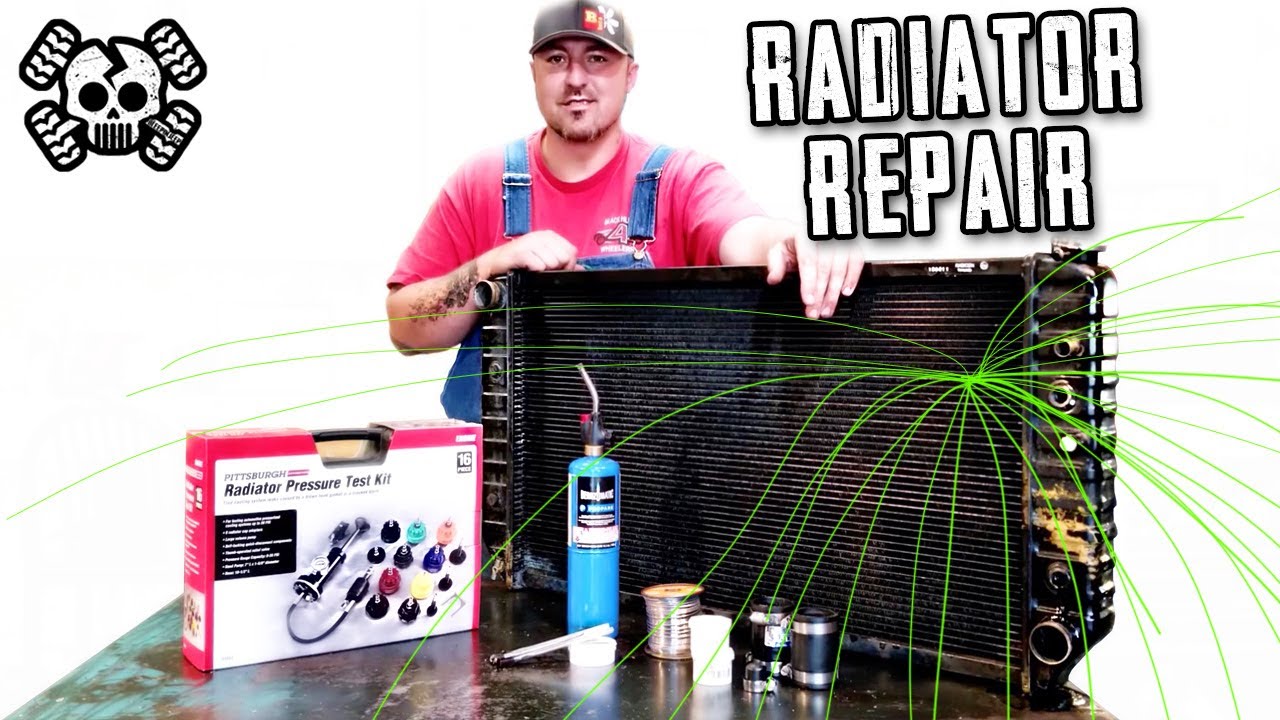
- Radiator: Radiator leaks are often caused by corrosion, physical damage (stone impacts, accidents), or pressure buildup. Radiator repair is sometimes possible, but replacement is often the more reliable and cost-effective long-term solution. Aluminum radiators are prone to corrosion, especially if the coolant isn't regularly flushed and replaced. Radiator core density and fin design affect cooling efficiency and price.
- Hoses: Coolant hoses are susceptible to cracking, swelling, and eventual bursting due to heat, pressure, and chemical degradation. Age and material are key factors. Silicone hoses offer improved durability and heat resistance compared to traditional rubber hoses, but are typically more expensive. Consider burst pressure and operating temperature range when selecting a replacement.
- Water Pump: A failing water pump can leak coolant from its seal. This usually results from bearing failure, impeller corrosion, or seal deterioration. Replacing the water pump is generally recommended when coolant leaks are detected. Impeller design (cast iron, aluminum, plastic) affects flow rate and longevity.
- Thermostat Housing: The thermostat housing, often made of plastic or aluminum, can crack or corrode, leading to leaks. Plastic housings are more susceptible to temperature-induced degradation. Aluminum housings, while more durable, can corrode, especially in contact with dissimilar metals.
- Head Gasket: A blown head gasket is a serious issue that can cause coolant to leak into the combustion chamber or oil passages, or externally. Repairing a head gasket leak is a labor-intensive process involving removing the cylinder head, machining surfaces, and replacing the gasket. Multi-layered steel (MLS) head gaskets are increasingly common for their improved sealing capabilities compared to traditional composite gaskets.
- Heater Core: A leaking heater core, located inside the dashboard, can be challenging to access. It often requires significant disassembly of the dashboard, making labor costs substantial.
- Freeze Plugs (Core Plugs): These plugs seal the casting holes in the engine block. They can corrode and leak over time, particularly in older vehicles. Accessing them can sometimes require engine removal or significant disassembly of surrounding components.
Technical Specifications and Engineering Choices
The choice of repair method is heavily influenced by the vehicle's make, model, and age. Older vehicles might benefit from aftermarket solutions or readily available parts. Newer vehicles often require Original Equipment Manufacturer (OEM) parts to ensure proper fit and function, especially when dealing with advanced cooling systems featuring electronically controlled thermostats and variable-speed water pumps. The engineering tolerances in modern engines are tighter, making precise repair crucial.
Coolant type also plays a critical role. Using the incorrect coolant can lead to corrosion, scale buildup, and damage to cooling system components. Organic Acid Technology (OAT), Hybrid Organic Acid Technology (HOAT), and Inorganic Acid Technology (IAT) coolants have different chemical compositions and should not be mixed unless explicitly specified by the vehicle manufacturer. Understanding the coolant's pH level and its compatibility with various metals (aluminum, copper, cast iron) is essential.
Real-World Performance and Cost Comparison
Let's consider some common scenarios and their associated costs (these are approximate and will vary by location and shop rates):
- Leaking Hose: Replacing a simple coolant hose might cost between $50 and $200, including parts and labor. Silicone hoses, while more expensive upfront, can offer extended lifespan.
- Radiator Replacement: A radiator replacement can range from $300 to $1000 or more, depending on the vehicle and radiator type. Aftermarket radiators are often cheaper than OEM radiators, but their quality and longevity can vary.
- Water Pump Replacement: Water pump replacement typically costs between $400 and $800. It's often recommended to replace the timing belt (if applicable) simultaneously, adding to the overall cost.
- Head Gasket Repair: Head gasket repair is the most expensive, often ranging from $1000 to $3000 or more due to the extensive labor involved.
Alternatives and Their Pros and Cons
While replacing damaged components is the preferred method, some temporary solutions exist:
- Coolant Stop-Leak Additives: These additives contain particles that can temporarily seal small leaks. Pros: Relatively inexpensive and easy to apply. Cons: Can clog cooling system passages, potentially leading to overheating and further damage. Not a permanent solution. Use with caution and only as a temporary measure.
- Hose Repair Tape: Specialized tapes can temporarily seal leaking hoses. Pros: Quick and easy to apply in emergency situations. Cons: Not a permanent solution and may not withstand high temperatures and pressures.
Reliability and Maintenance
Regular coolant flushes and replacements are essential for maintaining a healthy cooling system. Following the manufacturer's recommended service intervals can prevent corrosion, scale buildup, and premature failure of cooling system components. Inspecting hoses, clamps, and the radiator for signs of wear or damage during routine maintenance is also crucial. Pressure testing the cooling system can help identify leaks early on. Using a coolant tester to verify the coolant's freeze protection and corrosion inhibitors is a simple yet effective preventative measure.
Future Trends
Electric vehicles (EVs) utilize sophisticated thermal management systems for battery cooling. While EVs don't have traditional combustion engines with the same type of cooling needs, coolant leaks can still occur in battery cooling circuits. Expect to see increased complexity in EV cooling systems, requiring specialized training and diagnostic tools for automotive technicians. Furthermore, advancements in coolant technology are leading to longer-life coolants and improved corrosion protection. Self-sealing coolants are also being developed, which could automatically seal small leaks.
The automotive industry is constantly evolving, and understanding the nuances of coolant leaks and their repair is crucial for automotive professionals. By staying informed about new technologies, materials, and repair techniques, technicians can provide efficient and effective solutions for their customers, ensuring vehicle reliability and longevity.