
How Much Does It Cost To Get Struts Fixed
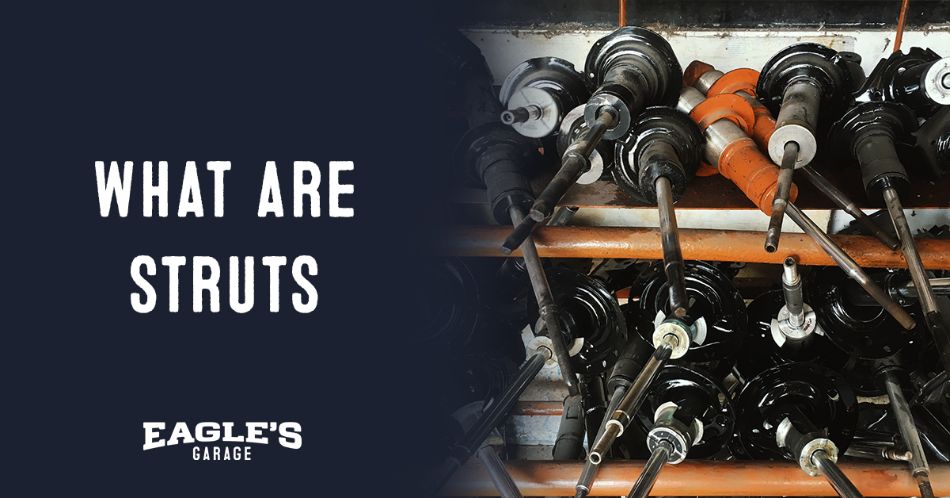
Struts, the unsung heroes of your vehicle's suspension, play a crucial role in ride comfort, handling, and overall safety. Unlike traditional shock absorbers, struts integrate the shock absorbing function with structural support, effectively replacing the upper control arm and ball joint in many front suspension systems. When these components start to fail, the impact on your car's performance and safety can be significant. Understanding the costs associated with strut replacement is therefore vital for any car owner or automotive professional.
Factors Influencing Strut Replacement Costs
The cost to get your struts fixed isn't a one-size-fits-all figure. Several factors come into play, influencing the final bill you'll face. These include:
- Vehicle Make and Model: Luxury brands and vehicles with more complex suspension systems often have higher parts costs and labor rates. For example, replacing the struts on a Mercedes-Benz S-Class will invariably be more expensive than replacing them on a Honda Civic.
- Parts Quality: Opting for aftermarket or OEM (Original Equipment Manufacturer) parts will impact the price. OEM struts, manufactured by the vehicle's original manufacturer, typically command a higher price due to their guaranteed compatibility and quality. Aftermarket options can be more budget-friendly but may vary in performance and longevity. Brands like KYB, Bilstein, and Monroe are well-regarded in the aftermarket strut sector.
- Labor Rates: Mechanics charge varying hourly rates, depending on their location, expertise, and the complexity of the job. Urban areas tend to have higher labor costs compared to rural ones.
- Number of Struts Replaced: While it's possible to replace just one strut, it's generally recommended to replace struts in pairs (both front or both rear) to maintain even handling and braking performance. Replacing them individually can lead to uneven wear and handling imbalances, potentially creating a dangerous situation.
- Associated Parts: Replacing struts often necessitates the replacement of other components, such as strut mounts, bump stops, and dust boots. These parts are relatively inexpensive but contribute to the overall cost. Furthermore, a wheel alignment is crucial after strut replacement to ensure proper tire wear and handling.
Estimating the Costs: A Breakdown
To provide a clearer picture, let's break down the potential costs involved:
- Parts (Per Strut): Expect to pay anywhere from $100 to $500 per strut, depending on the factors mentioned above. High-performance or electronic struts found in certain vehicles can easily exceed this range.
- Labor (Per Strut): Labor costs typically range from $150 to $300 per strut, depending on the mechanic's hourly rate and the vehicle's complexity. Some vehicles require more disassembly and specialized tools, increasing the labor time.
- Associated Parts: Strut mounts, bump stops, dust boots, and other hardware might add another $50 to $150 per strut.
- Wheel Alignment: A wheel alignment usually costs between $75 and $150.
Therefore, replacing a pair of front struts on a typical passenger car could range from $600 to $1300, including parts, labor, and alignment. Replacing all four struts could easily double that figure.
DIY vs. Professional Installation
While experienced DIYers might consider replacing struts themselves, it's a job best left to professionals. Struts are under significant spring tension and require specialized tools like a spring compressor for safe removal and installation. Incorrect handling can lead to serious injury. Furthermore, a professional mechanic can properly diagnose underlying suspension issues that may be contributing to strut failure.
Signs of Failing Struts
Recognizing the symptoms of failing struts is crucial for preventing further damage and ensuring safety. Common signs include:
- Bouncy Ride: Excessive bouncing after hitting bumps or potholes.
- Nose Dive During Braking: The front of the car dips excessively when braking.
- Leaking Fluid: Visible signs of oil leaking from the strut body.
- Uneven Tire Wear: Unusual wear patterns on your tires.
- Clunking Noises: Strange noises coming from the suspension when driving over bumps.
- Poor Handling: Reduced steering responsiveness and control.
Addressing strut issues promptly not only restores ride comfort and handling but also enhances safety and prevents more costly repairs down the line. Don't neglect your suspension; it's a critical component of your vehicle's overall performance and safety.