
How Much Does It Cost To Put Air In Tires
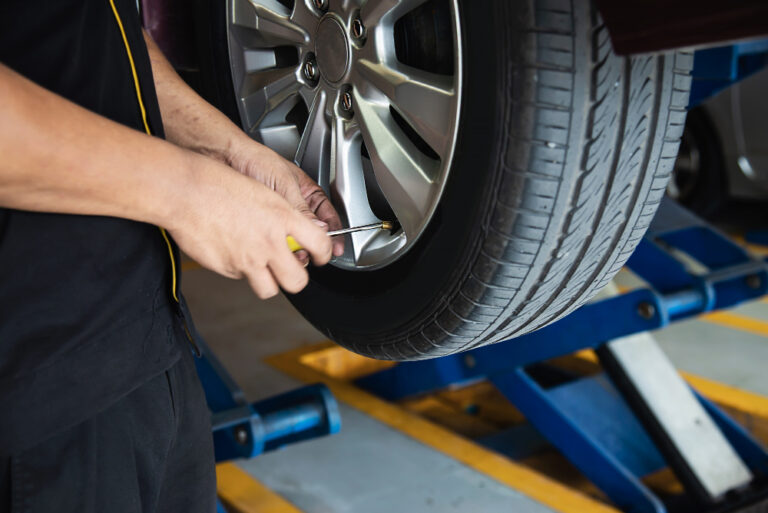
Let's talk about tire inflation, a topic crucial for vehicle performance, safety, and even fuel economy. While seemingly simple, understanding the costs associated with putting air in your tires goes beyond just the price at the gas station. We'll break down the various options, potential hidden costs, and even factors to consider if you're thinking about setting up your own inflation system at home.
Free Air: Reality vs. Perception
The most common perception is that air for your tires should be free. And in some instances, that's true. Many gas stations still offer free air, often connected to a coin-operated machine. However, the reliability of these machines is often questionable. You might find the pressure gauge is inaccurate, the hose is damaged, or the compressor simply isn't working. Inaccurate pressure readings can be just as bad as under-inflated tires, so it's crucial to verify with your own gauge.
Furthermore, several states have laws mandating free air for customers who purchase fuel. Check your local regulations to see if this applies to you. However, even with these regulations, accessing the air might require navigating a maze of pumps and a sometimes-confusing process. The cost, in this instance, becomes your time and the inconvenience.
Finally, consider the type of air available. Most free air is just compressed atmospheric air, which contains moisture. While generally sufficient for most drivers, this moisture can, over time, contribute to corrosion within the tire and potentially affect the performance of Tire Pressure Monitoring Systems (TPMS).
Paid Air: The Convenience Premium
Coin-operated or credit card-activated air pumps are prevalent at gas stations and service centers. The cost typically ranges from $1.00 to $3.00 for a few minutes of air. The primary benefit here is convenience. These machines are usually well-maintained and offer more accurate pressure readings than their free counterparts. Some even feature digital displays for precise inflation.
However, the cost per minute can be deceiving. If you're inflating multiple tires or dealing with a slow-filling valve stem, you might find yourself needing to insert more money. Factor in the time spent waiting in line, especially during peak hours, and the "convenience premium" becomes more apparent.
Another potential hidden cost is the risk of over-inflation. Many of these machines use a predetermined pressure setting. While this can be helpful, it's crucial to check your vehicle's recommended tire pressure (found on the driver's side door jamb or in your owner's manual) and adjust accordingly. Over-inflating your tires can reduce grip and increase the risk of a blowout, leading to far more significant expenses.
Investing in Your Own Inflation System
For the serious DIYer or car enthusiast, investing in a personal tire inflation system can be a worthwhile endeavor. The initial cost is higher, but the long-term benefits and cost savings can be substantial.
Portable Air Compressors: Entry-Level Solution
Portable air compressors, ranging from small 12V models that plug into your car's cigarette lighter to larger, more powerful units, are a great starting point. Prices can range from $30 to $200+, depending on the Cubic Feet per Minute (CFM) rating and maximum Pounds per Square Inch (PSI). The CFM rating indicates how quickly the compressor can fill a tire, while the PSI determines the maximum pressure it can deliver.
Consider the size of your tires and the pressure they require when choosing a portable compressor. A smaller compressor might struggle to inflate larger truck or SUV tires efficiently. Also, pay attention to the duty cycle, which indicates how long the compressor can run continuously before needing to cool down. Opting for a compressor with a higher duty cycle will prevent overheating and prolong its lifespan.
The cost of ownership extends beyond the initial purchase price. You'll need to factor in electricity costs (if it's an AC-powered model), maintenance (such as cleaning the air filter), and potential replacement costs down the line. However, the convenience of having readily available air at home or on the road is invaluable.
Stationary Air Compressors: The Workshop Powerhouse
For a more robust and versatile solution, a stationary air compressor is the ideal choice. These compressors are typically larger and more powerful than portable models, offering higher CFM and PSI ratings. They can also power a wide range of pneumatic tools, making them a valuable addition to any workshop.
Stationary air compressors come in various sizes and configurations, with prices ranging from $150 to $1000+. The key considerations are the tank size (measured in gallons), the CFM rating, and the horsepower of the motor. A larger tank allows for longer bursts of continuous airflow, while a higher CFM rating enables you to run more demanding pneumatic tools.
The installation of a stationary air compressor requires some basic plumbing and electrical knowledge. You'll need to run air lines to your desired work areas and ensure you have adequate electrical power. However, once installed, a stationary air compressor provides a reliable and cost-effective source of compressed air for all your automotive needs.
Nitrogen Inflation: The Premium Option
Nitrogen inflation is gaining popularity, particularly among performance enthusiasts. Nitrogen is an inert gas, meaning it doesn't react chemically with other substances. Unlike compressed air, nitrogen is dry and doesn't contain moisture, which can help prevent corrosion and maintain consistent tire pressure over time.
While nitrogen inflation is often marketed as improving fuel economy and handling, the actual benefits are often marginal for everyday drivers. However, for vehicles with TPMS, nitrogen can help prevent false readings caused by temperature fluctuations.
Nitrogen inflation is typically offered at tire shops and service centers, and the cost can range from $5 to $10 per tire. While the initial cost is higher than air, the reduced maintenance and potential for longer tire life might offset the expense in the long run. The partial pressure of water vapor is significantly less in a nitrogen-filled tire, which can reduce pressure changes caused by temperature.
Hidden Costs: Beyond the Air Itself
Regardless of how you choose to inflate your tires, there are several hidden costs to be aware of:
- Tire Pressure Gauge: An accurate tire pressure gauge is essential for proper inflation. Invest in a quality gauge (digital or analog) and check its calibration periodically.
- Valve Stems and Caps: Damaged or missing valve stems and caps can lead to air leaks. Replacing these components is a relatively inexpensive but crucial maintenance task.
- Tire Repairs: Under-inflated tires are more susceptible to damage, such as sidewall punctures and tread separation. Regular tire inflation can help prevent costly repairs.
- Fuel Economy: Under-inflated tires increase rolling resistance, which reduces fuel economy. Maintaining proper tire pressure can save you money at the pump.
- Tire Wear: Improper inflation can lead to uneven tire wear, shortening the lifespan of your tires. Regular inflation ensures even tread wear and maximizes tire life.
Ultimately, the cost of putting air in your tires depends on your individual needs and preferences. While free air might seem appealing, the convenience and reliability of paid air or a personal inflation system can be well worth the investment. By understanding the various options and potential hidden costs, you can make an informed decision that optimizes your vehicle's performance, safety, and fuel economy.