
How Much Does It Cost To Rebuild A Engine
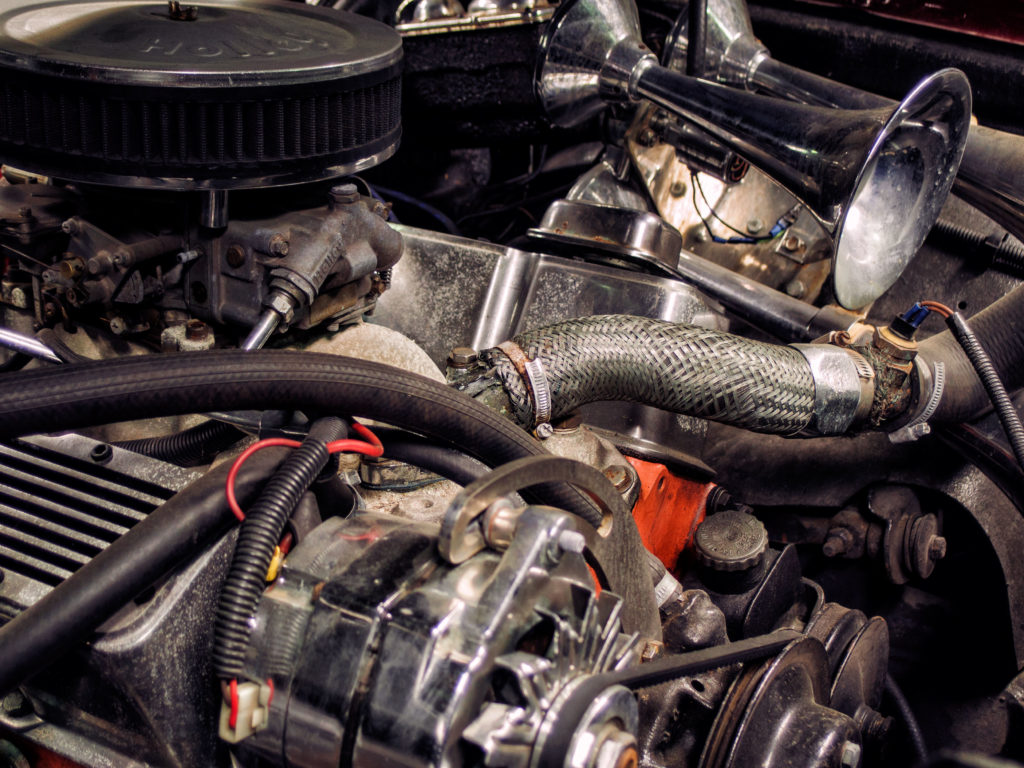
The rumble of an engine, the surge of power, the satisfaction of a perfectly timed gear change – these are sensations deeply ingrained in the automotive enthusiast's soul. But what happens when that symphony of mechanical precision starts to falter? The dreaded question arises: how much does it cost to rebuild an engine? The answer, in today's rapidly evolving automotive landscape, is becoming increasingly complex.
The Shifting Sands of Engine Rebuild Costs
Traditionally, engine rebuild costs have been primarily dictated by factors like the engine's complexity, the extent of the damage, parts availability, and labor rates. A simple inline-four engine rebuild might set you back a few thousand dollars, while a high-performance V8 could easily climb into the tens of thousands. However, the rise of electric vehicles (EVs), hybrid systems, and increasingly sophisticated internal combustion engine (ICE) technologies are throwing a wrench – pun intended – into the equation.
The looming presence of EVs isn't just about a shift in power source; it's fundamentally altering the skillset needed for automotive repair. As EV adoption increases, the demand for mechanics specializing in ICE rebuilds will likely decrease. This could lead to a consolidation of the ICE rebuild market, potentially driving up prices due to reduced competition and the increasing scarcity of qualified technicians who are willing and able to work on what will be viewed as older technology. Finding experienced mechanics willing to tackle complex ICE rebuilds could become a significant challenge.
Hybrid Complexity and the "Right to Repair"
Hybrid systems present another layer of complexity. While they still rely on ICEs, these engines are often smaller, more highly stressed, and intricately integrated with electric motors and battery systems. Rebuilding a hybrid engine requires a deep understanding of both mechanical and electrical systems, further increasing the cost. Moreover, the "right to repair" movement is gaining momentum, advocating for independent repair shops and consumers to have access to the necessary tools, information, and parts to fix their own vehicles. If successful, this could potentially help to curb repair costs by fostering competition and empowering consumers. However, navigating the complex software and diagnostic tools required for modern hybrid and ICE vehicles remains a considerable hurdle.
The Rise of Smart Automotive Solutions
The advent of smart automotive solutions, including advanced sensor technology and predictive maintenance algorithms, offers a glimmer of hope. These systems constantly monitor engine performance, providing early warnings of potential problems. This allows for preventative maintenance, potentially avoiding catastrophic failures that necessitate a full rebuild. Imagine an engine proactively signaling the need for valve adjustment or piston ring replacement before significant damage occurs. This proactive approach could drastically extend engine lifespan and reduce the overall cost of ownership.
However, the reliance on proprietary software and data access remains a concern. Manufacturers could restrict access to this data, effectively controlling the repair ecosystem and potentially increasing costs. The development of open-source diagnostic tools and standardized data protocols will be crucial to ensuring fair competition and affordable repair options.
The Future of Engine Rebuilding: A Balanced Perspective
Looking ahead, the future of engine rebuilding is a mixed bag. On one hand, the shift towards EVs and the increasing complexity of ICE technologies could lead to higher rebuild costs and a scarcity of qualified technicians. On the other hand, advancements in predictive maintenance, the "right to repair" movement, and the potential for open-source diagnostic tools could help to mitigate these challenges. Ultimately, the cost of rebuilding an engine will depend on the interplay of these competing forces.
It's crucial for the automotive industry to embrace open standards, promote transparency, and invest in training programs that equip technicians with the skills needed to service both traditional and emerging technologies. This will ensure that the passion for automotive mechanics continues to thrive, even in a world dominated by electric propulsion.
The transition to electric mobility is inevitable, but the legacy of the internal combustion engine will endure for decades to come. Preserving the knowledge and skills required to maintain and rebuild these mechanical marvels is not just about preserving history; it's about empowering individuals, fostering innovation, and ensuring a sustainable future for the automotive industry. The future of mobility is not just about electric cars; it's about the freedom to choose, the right to repair, and the unwavering pursuit of automotive excellence.
The future engine rebuild will leverage additive manufacturing, also know as 3D printing. Imagine being able to 3D print engine components, tailored to your exact specifications, from your garage. We will move away from OEM specific parts and create a new engine culture based on open design and repairability. The new engine culture will be more collaborative and transparent.