
How Much Does It Cost To Recharge Auto Ac
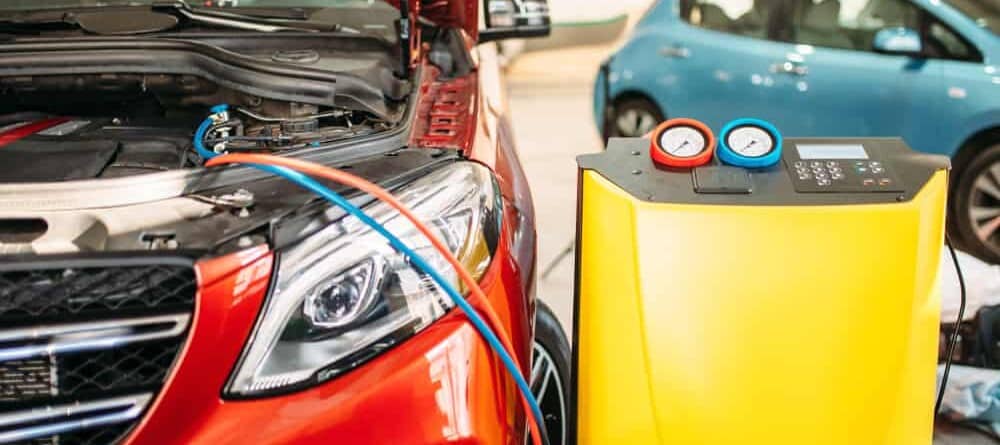
Recharging an automotive air conditioning (AC) system is a common maintenance task, but the associated costs can vary significantly depending on several factors. For automotive professionals, understanding these factors is crucial for providing accurate estimates and reliable service. This article delves into the technical aspects, engineering choices, and real-world performance considerations that affect the cost of recharging an auto AC system.
Factors Influencing Recharge Costs
The most significant factor impacting the cost is the refrigerant type. Older vehicles typically use R-134a, while newer models are transitioning to R-1234yf. R-1234yf is significantly more expensive due to its lower global warming potential (GWP) and the patents held on its production. Expect to pay considerably more for an R-1234yf recharge compared to R-134a. Beyond the refrigerant itself, the quantity needed also plays a role. A system with a larger capacity, often found in SUVs and trucks, will naturally require more refrigerant, increasing the overall cost.
Labor costs are another substantial component. The labor involved depends on the complexity of the system and the time required to diagnose and address any leaks before recharging. A simple recharge might take an hour, whereas a system requiring leak detection and repair could take several hours, significantly increasing labor costs. Proper vacuuming of the system is critical before recharging. This ensures removal of air and moisture, preventing performance degradation and potential component damage. Failure to perform this step correctly can lead to higher repair costs down the line.
Furthermore, the diagnostic process can add to the cost. If the AC system is not cooling properly, it’s essential to identify the root cause. A pressure test is a common initial step, but more advanced diagnostics might involve leak detection using UV dye or electronic leak detectors. Pinpointing the leak location is vital, as simply recharging a leaking system is a temporary fix and can potentially damage the compressor.
R-134a vs. R-1234yf: A Technical Comparison
R-134a was widely adopted as a replacement for R-12, a refrigerant phased out due to its ozone-depleting properties. While R-134a has a GWP much lower than R-12, it's still considered a greenhouse gas, prompting the development of R-1234yf. R-1234yf boasts a GWP significantly lower than R-134a, making it a more environmentally friendly option. However, R-1234yf is mildly flammable, necessitating specific handling procedures and equipment.
The engineering choices involved in transitioning to R-1234yf include redesigned AC systems to accommodate the refrigerant's slightly different thermodynamic properties. These systems often feature enhanced heat exchangers and optimized compressor designs. Retrofitting older R-134a systems to use R-1234yf is generally not recommended due to incompatibility issues and potential safety concerns. Specialized equipment for servicing R-1234yf systems is also essential for technicians, contributing to higher initial investment costs for shops.
Alternatives and Their Pros and Cons
While R-1234yf is currently the dominant alternative to R-134a, research continues into other refrigerants with even lower GWPs. Carbon dioxide (CO2), also known as R-744, is one potential option. CO2 is a natural refrigerant with a GWP of 1, but its use requires significantly higher operating pressures, necessitating robust system designs and specialized training for technicians. Other options include HFO blends, which offer varying degrees of performance and environmental impact. The automotive industry is constantly evaluating these alternatives to find the optimal balance between performance, cost, and environmental sustainability.
Pros of R-1234yf: Lower GWP compared to R-134a, readily available infrastructure (although more expensive). Cons of R-1234yf: Higher cost than R-134a, mild flammability requiring special handling.
Pros of CO2 (R-744): Extremely low GWP, natural refrigerant. Cons of CO2 (R-744): Requires high operating pressures, necessitating significant system redesign and specialized equipment.
Reliability, Maintenance, and Future Trends
The reliability of an AC system depends heavily on proper maintenance. Regularly checking for leaks, ensuring proper refrigerant levels, and replacing components as needed can extend the system's lifespan. Common maintenance tasks include inspecting the compressor, condenser, evaporator, and hoses for damage or leaks. Using high-quality refrigerants and components also contributes to long-term reliability. Educating customers about preventative maintenance can lead to fewer costly repairs in the future.
Future trends in automotive AC systems include the integration of electric compressors in electric vehicles (EVs) and hybrid electric vehicles (HEVs). These compressors are often more efficient and can provide cooling even when the engine is off. Advancements in refrigerant technology are also ongoing, with a focus on developing even lower GWP alternatives and improving system efficiency. Furthermore, thermal management systems are becoming more sophisticated, integrating cabin cooling with battery cooling in EVs to optimize energy usage.
Cost Breakdown Example
A typical R-134a recharge on a passenger vehicle might cost between $150 and $300. This includes the cost of refrigerant (approximately $30-$50 per pound), labor (around $75-$150 per hour), and a diagnostic fee (if applicable). An R-1234yf recharge, on the other hand, could easily cost between $300 and $600 or more, primarily due to the higher cost of the refrigerant (approximately $100-$200 per pound). These are just estimates, and the actual cost can vary depending on the specific vehicle, location, and the shop's pricing structure.
Conclusion
Recharging an automotive AC system involves a complex interplay of factors, from refrigerant type and quantity to labor costs and diagnostic procedures. As the automotive industry continues to evolve, with a growing emphasis on electric vehicles and environmentally friendly refrigerants, automotive professionals must stay abreast of the latest technologies and best practices. Accurate diagnostics, proper vacuuming, and the use of high-quality refrigerants are essential for ensuring reliable and efficient AC system performance. By understanding these factors, professionals can provide accurate estimates, deliver exceptional service, and contribute to a more sustainable future for the automotive industry. The ongoing shift towards lower-GWP refrigerants necessitates continuous training and investment in specialized equipment to meet the evolving demands of the market. Furthermore, the integration of advanced thermal management systems in EVs presents new challenges and opportunities for automotive service providers.