
How Much Does It Cost To Rent A Tow Truck
For automotive professionals, understanding the intricacies of towing services extends beyond simply calling for roadside assistance. It involves a comprehensive grasp of the factors influencing tow truck rental costs, the technical specifications underpinning towing operations, and the long-term implications for business efficiency. This article delves into these aspects, offering insights crucial for informed decision-making.
Deciphering Tow Truck Rental Costs
The cost of renting a tow truck isn't a fixed figure. It's influenced by a multitude of variables. Base rates often cover the first few miles, followed by per-mile charges. This base rate can vary significantly based on the type of tow truck required, the time of day (after-hours usually incur higher costs), and the location. Urban areas generally command higher rates due to traffic congestion and operational overheads. Geographic considerations are also vital; remote locations or areas with challenging terrain can lead to increased costs.
Beyond mileage, additional fees can quickly accumulate. These might include charges for: winching services (extracting a vehicle from a ditch or difficult spot), recovery operations (complex scenarios requiring specialized equipment), storage fees (if the vehicle needs to be stored at the towing company's yard), and fuel surcharges (fluctuating based on current fuel prices).
Finally, the type of vehicle being towed plays a crucial role. Towing a motorcycle will generally be cheaper than towing a heavy-duty truck. Specialized equipment for low-clearance vehicles or vehicles with specific damage also adds to the overall cost.
Technical Specifications and Engineering Choices
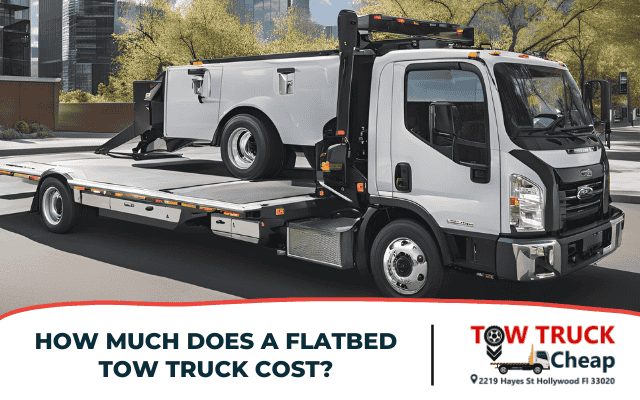
Tow trucks aren't a monolithic entity; they come in various configurations, each suited for specific tasks. Flatbed tow trucks, also known as rollback carriers, utilize a hydraulically operated platform to load vehicles. This is ideal for transporting cars with wheel damage or those that cannot be safely towed using a wheel-lift system. Wheel-lift tow trucks use a yoke to lift either the front or rear wheels of a vehicle, allowing it to be towed on its remaining wheels. This is a common and efficient option for many standard towing situations. Integrated tow trucks, commonly used for heavy-duty towing, have the boom and wheel lift integrated into a single unit, providing greater stability and lifting capacity.
The hydraulic systems powering these mechanisms are critical. Understanding the pressure ratings, flow rates, and maintenance requirements of these systems is essential for ensuring safe and efficient operation. Engineering choices in winch design (wire rope vs. synthetic rope), boom construction (steel grade and welding techniques), and wheel-lift design all influence the tow truck's capabilities and reliability.
Real-World Performance and Alternatives
When evaluating the cost-effectiveness of renting a tow truck, it's crucial to consider alternatives. If the issue is minor, such as a flat tire or a dead battery, roadside assistance programs offered by insurance companies or auto manufacturers might be a more affordable option. These programs often include services like tire changes, jump starts, and fuel delivery. Another alternative is using a mobile mechanic. If the problem is a mechanical issue that can be fixed on-site, a mobile mechanic can save you the cost of towing.
Pros of renting a tow truck include immediate availability (in most cases), specialized equipment for complex situations, and professional expertise. Cons involve higher costs compared to alternatives, potential for hidden fees, and the risk of damage during towing if proper procedures aren't followed. Pros of roadside assistance programs include lower costs and convenience for minor issues. Cons include limited scope of services and potential delays. Pros of mobile mechanics include on-site repairs and potentially lower overall costs compared to towing and repair shop charges. Cons include limitations on the types of repairs that can be performed on-site and potential for lower-quality parts.
Reliability and Maintenance
Tow trucks are workhorses, and their reliability is paramount. Regular maintenance is critical to prevent breakdowns and ensure safe operation. This includes: routine inspections of hydraulic systems, regular oil changes, brake inspections, tire maintenance, and winch cable inspections. Preventive maintenance programs are highly recommended to minimize downtime and extend the lifespan of the tow truck. Addressing minor issues promptly can prevent them from escalating into major problems.
Future Trends
The tow truck industry is evolving. We're seeing increasing integration of technology, such as GPS tracking, electronic dispatch systems, and real-time communication tools. This improves efficiency and allows for better tracking and management of towing operations. Electric tow trucks are also emerging, offering environmental benefits and reduced operating costs (although initial investment costs are higher). Furthermore, advanced driver-assistance systems (ADAS) are being incorporated into tow trucks, enhancing safety and reducing the risk of accidents. The rise of autonomous vehicles will likely reshape the towing landscape, potentially leading to new towing methods and specialized equipment.
Forward-Looking Note
The automotive industry is undergoing a period of unprecedented change, driven by electrification, autonomous driving, and connectivity. Automotive professionals must stay abreast of these trends and adapt their business models accordingly. Understanding the evolving needs of customers and embracing new technologies will be crucial for success in the future.