
How Much Does It Cost To Repair Flat Tire
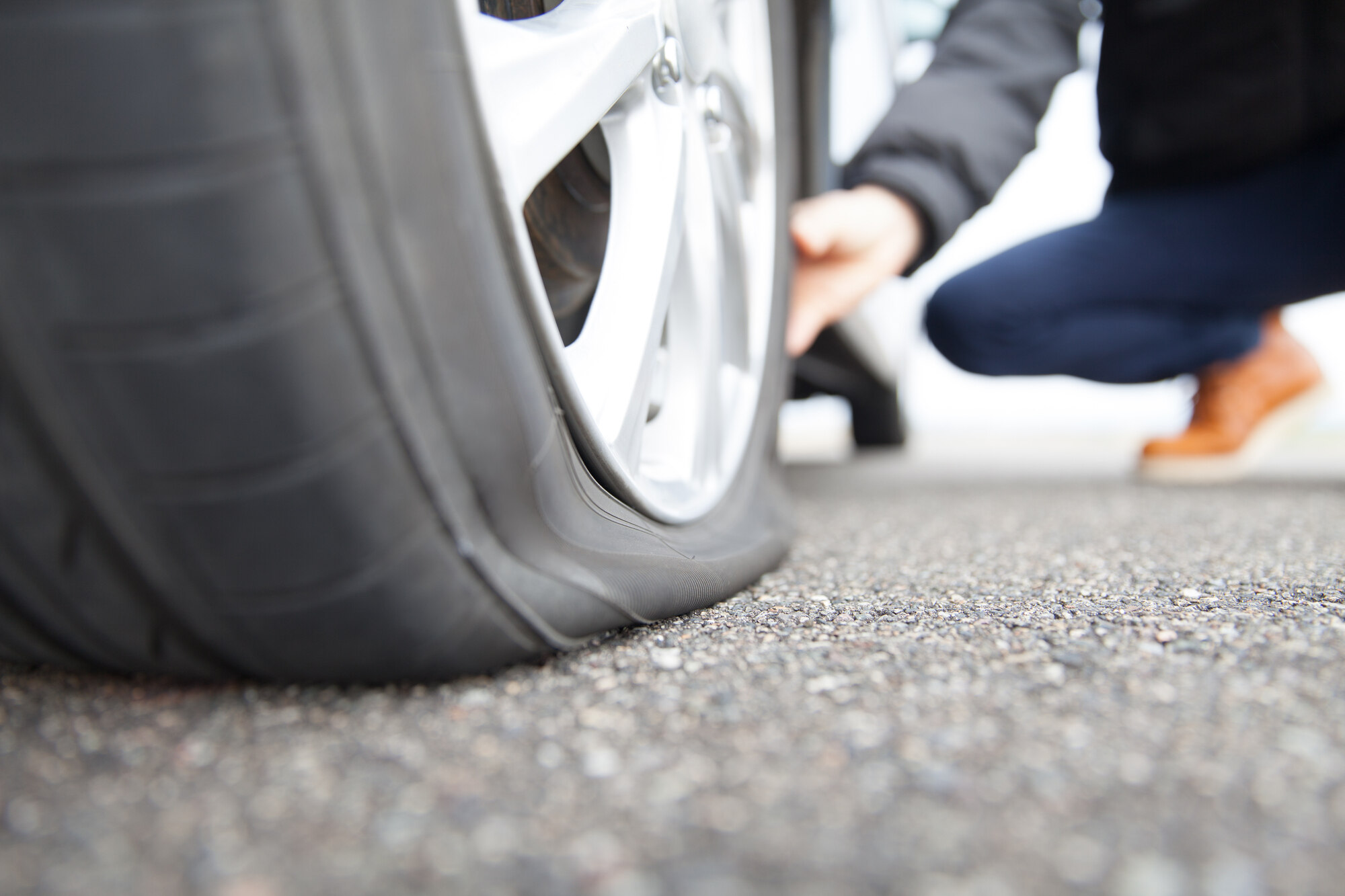
The dreaded flat tire. It's a near-universal experience for drivers, and one that often triggers a flurry of questions. Beyond the initial frustration, the most pressing concern is usually: how much is this going to cost? The answer, as with most things automotive, is nuanced and depends on a multitude of factors. This guide will delve into the intricacies of flat tire repair costs, exploring the different repair options, potential hidden fees, and preventative measures to keep your wallet happy and your tires rolling.
The Anatomy of a Flat Tire Repair Bill
Understanding the breakdown of costs is crucial for assessing the fairness of a quote. Generally, a flat tire repair bill will encompass the following elements:
1. The Repair Method
This is the primary driver of the final cost. The two main repair methods are plugging and patching. Plugging is a faster and cheaper temporary solution, while patching (or a combination patch-plug) is considered the more permanent and reliable fix.
Plugging involves inserting a rubberized rope or plug into the puncture from the outside of the tire. It's quick, often taking less than 30 minutes, and requires minimal disassembly. The cost typically ranges from $10 to $30, depending on the shop and location.
However, it's important to note the limitations of plugging. It's only suitable for small punctures in the tread area of the tire and shouldn't be used for sidewall damage. Furthermore, many tire manufacturers and industry professionals discourage plugging as a permanent repair due to potential air leakage and structural weakening.
Patching, on the other hand, requires removing the tire from the wheel, cleaning and preparing the inner surface of the tire, and applying a rubber patch with adhesive. Some shops use a combination plug-patch, where a plug is inserted from the inside, and a patch is applied over it for added security. This method usually costs between $20 and $45.
Patching provides a more robust and durable repair, restoring the tire's structural integrity better than plugging alone. It allows for a thorough inspection of the tire's inner wall, identifying any hidden damage that might be overlooked with a simple plug.
2. Labor Costs
Labor is a significant component of the overall cost. The time it takes to repair a flat tire varies depending on the repair method, the complexity of the tire and wheel assembly, and the shop's efficiency. Labor rates typically range from $75 to $150 per hour, although this can fluctuate based on location and the shop's reputation.
Keep in mind that some shops may have a minimum labor charge, even if the actual repair time is shorter. It's always wise to inquire about the shop's labor rates and policies before authorizing any work.
3. Tire Balancing and Rotation
After repairing a flat tire, it's highly recommended to rebalance the tire and wheel assembly. This ensures even weight distribution, preventing vibrations and premature wear on the tire and suspension components. Tire balancing typically costs between $10 and $25 per wheel.
Additionally, consider rotating your tires after the repair. Tire rotation helps to distribute wear evenly across all four tires, extending their lifespan. Tire rotation often costs between $20 and $40.
4. Replacement Parts (If Necessary)
In some cases, additional parts may be required. For instance, if the valve stem is damaged, it will need to be replaced. Valve stems typically cost between $5 and $15. If the wheel itself is damaged, repair or replacement costs will add significantly to the bill.
5. Taxes and Fees
Don't forget to factor in sales tax and any environmental or disposal fees that may be applicable in your area. These can add a few dollars to the final cost.
Factors Influencing the Price
Several factors can significantly influence the cost of flat tire repair:
* Location: Shops in urban areas or high-cost-of-living regions typically charge higher labor rates and prices for parts. * Type of Vehicle: Some vehicles, particularly those with specialized wheels or tires (e.g., run-flat tires, low-profile tires), may require more specialized equipment or expertise, resulting in higher labor costs. * Shop Reputation and Expertise: Reputable shops with experienced technicians often charge more, but they also provide higher-quality workmanship and better customer service. * Time of Day and Day of the Week: Emergency repairs or repairs performed outside of regular business hours may incur additional charges. Weekend or holiday repairs can also be more expensive. * Severity of Damage: If the tire damage is extensive or the wheel is also damaged, the repair costs will be significantly higher. In some cases, tire replacement may be the only option.When to Replace Instead of Repair
While repairing a flat tire is often the most cost-effective solution, there are situations where tire replacement is necessary:
* Sidewall Damage: Punctures or damage to the tire sidewall are generally not repairable. The sidewall is a critical structural component, and any compromise can lead to catastrophic failure. * Large Punctures: Punctures larger than ¼ inch in diameter may not be repairable. * Multiple Punctures: If a tire has multiple punctures in close proximity, it may be structurally compromised and should be replaced. * Worn Tread: If the tire's tread depth is below the legal limit (typically 2/32 of an inch), it should be replaced regardless of whether it can be repaired. * Run-Flat Tires: Some run-flat tires cannot be repaired after being driven on while flat, even for a short distance. Consult the tire manufacturer's recommendations.Preventative Measures to Minimize Flat Tire Risk
While flats are often unavoidable, here are some steps you can take to minimize your risk:
* Regular Tire Pressure Checks: Maintaining proper tire pressure is crucial for tire health and fuel efficiency. Underinflated tires are more susceptible to punctures and sidewall damage. * Visual Inspections: Regularly inspect your tires for signs of wear, damage, or embedded objects. * Avoid Road Hazards: Be mindful of potholes, debris, and other road hazards that can damage your tires. * Proper Tire Storage: When storing tires, keep them in a cool, dry place away from direct sunlight and ozone sources. * Consider Tire Sealant: Tire sealant can help to prevent flats by automatically sealing small punctures. However, it's not a substitute for regular tire maintenance.In conclusion, the cost of repairing a flat tire is a variable figure. Understanding the repair options, labor costs, and potential contributing factors will empower you to make informed decisions and ensure you're receiving a fair price. By prioritizing preventative maintenance and promptly addressing any tire issues, you can minimize your risk of flat tires and keep your vehicle safely on the road.