
How Much Does Replacing A Water Pump Cost
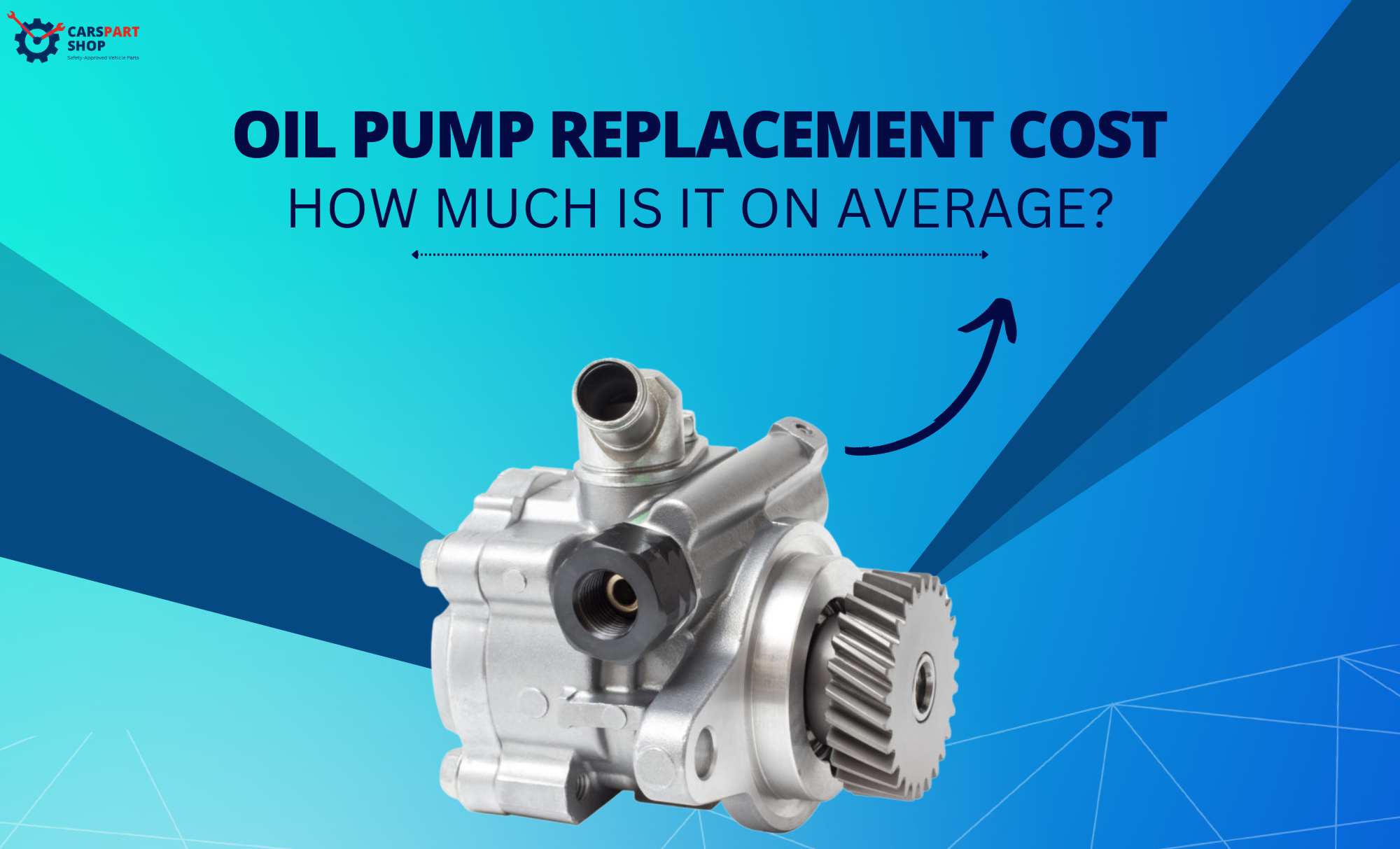
The rhythmic whir of the engine, the hum of the tires on the asphalt – these are the expected symphonies of a healthy automobile. But sometimes, a discordant note creeps in, a telltale whine or a clunking sound emanating from under the hood. One common culprit behind such automotive disharmony is a failing water pump. This unsung hero of the cooling system tirelessly circulates coolant, preventing catastrophic overheating. But when it falters, the consequences can be severe, and the question inevitably arises: How much does replacing a water pump cost? This article delves into the factors that influence the final bill, offering a detailed breakdown of the process and its associated expenses.
Understanding the Water Pump's Role
Before we dissect the cost, let's appreciate the water pump's critical function. It's a relatively simple device, typically consisting of a housing, an impeller (a rotating fan-like component), a bearing, and a seal. Driven by a belt connected to the engine's crankshaft (or sometimes by the timing belt), the impeller spins, forcing coolant through the engine block, cylinder head(s), and radiator. This continuous circulation dissipates heat generated by combustion, maintaining optimal operating temperature.
A failing water pump can manifest in several ways. Common symptoms include:
- Overheating: The most obvious sign. If the pump isn't circulating coolant effectively, the engine temperature will rise rapidly.
- Coolant Leaks: Look for puddles of coolant (typically green, orange, or pink) under the vehicle, often near the front of the engine.
- Whining Noise: A worn bearing can produce a distinct whining or grinding sound that increases with engine speed.
- Visible Corrosion: Check the water pump housing for signs of rust or corrosion.
- Loose or Wobbly Pulley: If the water pump pulley (the part the belt wraps around) feels loose or wobbly, the bearing is likely failing.
Ignoring these warning signs can lead to significant engine damage, potentially requiring a complete engine rebuild or replacement – a far more costly proposition than a simple water pump replacement.
Factors Influencing the Cost
The cost of replacing a water pump is a multifaceted equation, influenced by several key variables:
1. Vehicle Make and Model
This is perhaps the most significant factor. The complexity of the engine, the accessibility of the water pump, and the cost of parts all vary considerably between different vehicle makes and models. Luxury vehicles and those with tightly packed engine compartments often incur higher labor costs due to the increased difficulty of accessing the pump. Furthermore, the cost of the replacement water pump itself can vary widely depending on the manufacturer and the vehicle's specific requirements. For example, a water pump for a high-performance sports car is likely to be more expensive than one for a standard sedan.
2. Part Quality
You'll typically have a choice between several different brands and quality levels of replacement water pumps. OEM (Original Equipment Manufacturer) parts are generally the most expensive, but they are designed to meet the exact specifications of the original pump and are often considered the most reliable. Aftermarket parts are typically less expensive, but their quality can vary considerably. It's crucial to choose a reputable brand with a good warranty to ensure longevity and prevent premature failure. Opting for the cheapest possible part might seem tempting, but it could end up costing you more in the long run if it fails prematurely, requiring another replacement.
3. Labor Costs
Labor costs constitute a significant portion of the overall expense. Dealerships generally charge higher labor rates than independent repair shops. The complexity of the job also affects labor time. Some water pumps are easily accessible and can be replaced in a couple of hours, while others require the removal of numerous other components, significantly increasing the labor time. This is where the vehicle's make and model again come into play. A mechanic might charge anywhere from $75 to $150 per hour for labor, depending on their location and expertise. Before committing to a repair, it's always a good idea to get quotes from multiple shops to compare labor rates.
4. Associated Repairs
Replacing a water pump often involves other related repairs. For example, it's generally recommended to replace the thermostat at the same time, as it's a relatively inexpensive part and is often located near the water pump. Similarly, it's a good idea to inspect the drive belt (or timing belt if it drives the water pump) for wear and tear and replace it if necessary. Neglecting these related components can lead to future problems and potentially require additional repairs down the line. The mechanic will likely recommend a coolant flush after the water pump replacement to ensure the system is free of contaminants. These associated repairs will add to the overall cost but are often necessary to ensure the long-term reliability of the cooling system.
5. Location
Geographic location can also influence the cost of water pump replacement. Labor rates and parts prices tend to be higher in urban areas and regions with a higher cost of living. Therefore, you might find that the same repair costs significantly more in a major city than in a rural area.
Cost Breakdown: A General Estimate
While the exact cost will vary based on the factors mentioned above, here's a general estimate of what you can expect to pay for water pump replacement:
- Parts: $50 to $500+ (depending on the vehicle and part quality)
- Labor: $150 to $800+ (depending on the vehicle and labor rate)
- Associated Repairs (Thermostat, Belt, Coolant Flush): $50 to $200+
Therefore, the total cost can range from approximately $250 to $1500 or more. It's always best to get a detailed estimate from a qualified mechanic that includes a breakdown of parts and labor costs.
DIY vs. Professional Repair
For mechanically inclined individuals, replacing a water pump might seem like a DIY project. While it's certainly possible to do it yourself, it's crucial to assess your skills and experience honestly. This repair involves working with the cooling system, which can be messy and potentially dangerous if not handled properly. Furthermore, improper installation can lead to leaks, overheating, and even engine damage. You'll need to have the right tools, including wrenches, sockets, pliers, and a torque wrench. A service manual for your specific vehicle is also essential. If you're unsure about any aspect of the repair, it's best to leave it to a professional. The potential cost savings are not worth the risk of damaging your engine. Before attempting a DIY repair, thoroughly research the procedure and ensure you have the necessary skills and tools.
Conclusion
Replacing a water pump is an essential maintenance task that can prevent catastrophic engine damage. Understanding the factors that influence the cost can help you make informed decisions and avoid unnecessary expenses. By obtaining multiple quotes, choosing quality parts, and considering associated repairs, you can ensure that your vehicle's cooling system is functioning optimally, keeping you on the road for miles to come. Remember, a proactive approach to vehicle maintenance is always more cost-effective than dealing with the consequences of neglect. Don't wait until your engine overheats; address any suspected water pump issues promptly to avoid costly repairs down the line.
A well-maintained cooling system is the key to a long and healthy engine life.