
How Much Is A Used 2014 Chevy Cruze Worth
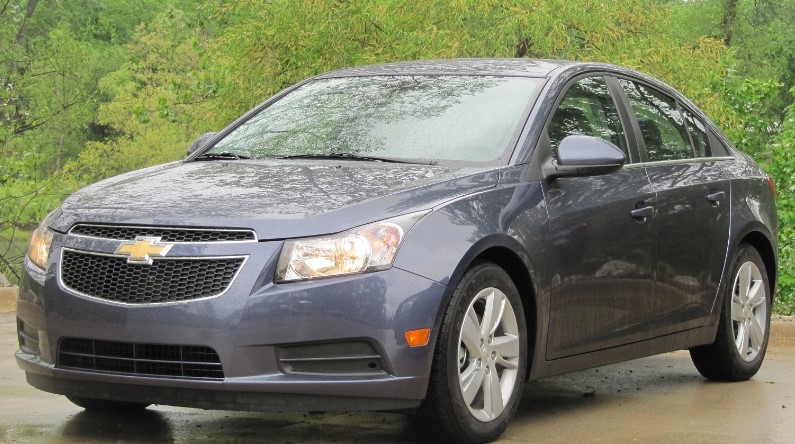
Alright, let's dive into figuring out how much a used 2014 Chevy Cruze is worth. It's not a simple answer, as several factors come into play, but we'll break it down so you can get a solid estimate. Think of this as diagnosing a tricky engine issue – we'll systematically check each component to understand the whole picture.
Understanding the Core Factors: Condition, Mileage, and Trim
The three pillars of used car valuation are condition, mileage, and trim level. Let's look at each in detail:
Condition: More Than Just a Shiny Paint Job
Condition isn't just about how clean the car is. We're talking mechanical condition, body integrity, and interior wear. Consider these aspects:
- Mechanical Soundness: Does the engine run smoothly? Any unusual noises from the transmission (automatic or manual)? Are there any active trouble codes (DTCs) illuminated on the instrument cluster? Connect an OBD-II scanner (like a BlueDriver or similar) and check for pending or stored codes. These could indicate underlying issues requiring immediate attention (and affecting the price!). Look for codes relating to the engine (P-codes), transmission (U- or P-codes), brakes (C-codes), and body (B-codes).
A P0300, for example, indicates random/multiple cylinder misfires, which points to potential problems with ignition coils, spark plugs, fuel injectors, or even more serious issues like valve problems. Similarly, a P0700 code usually signals a transmission control system malfunction and requires further investigation. - Body Integrity: Check for rust, especially around the wheel wells, rocker panels, and undercarriage. Look for signs of prior accidents, such as mismatched paint, uneven panel gaps, or body filler. A cheap magnetic paint gauge can help identify areas with excessive filler indicating previous bodywork. Even minor damage like dents and scratches detract from the value.
- Interior Wear: Are the seats torn or stained? Does the dashboard have cracks? Are all the electronics (radio, HVAC system, power windows/locks) functioning properly? A worn interior suggests a lack of care, which can translate to potential mechanical neglect.
- Tires and Brakes: How much tread is left on the tires? Are the brake rotors warped or worn? These are both safety items and indicators of overall maintenance. Check the tire DOT code to understand the tire's age. Tires older than six years should be replaced regardless of tread depth. Visually inspect brake pads through the wheel (if possible) to assess their thickness. Listen for squealing or grinding noises while braking, which are telltale signs of worn brake pads.
A 'fair' condition Cruze will generally have some cosmetic flaws and potentially some minor mechanical issues that don't immediately require repair. A 'good' condition Cruze will be clean, well-maintained, and have no significant mechanical problems. An 'excellent' condition Cruze is rare, often requiring professional detailing and meticulous maintenance records.
Mileage: The Distance Traveled
Mileage is a straightforward indicator of wear and tear. The average annual mileage is around 12,000-15,000 miles. A 2014 Cruze with significantly lower mileage than average will generally command a higher price, assuming the condition is also good. However, extremely low mileage on an older car can sometimes be a red flag – it might indicate that the car sat unused for extended periods, which can lead to issues with seals, hoses, and fluids.
A Cruze with 100,000 miles will typically be worth less than one with 60,000 miles, all other things being equal. However, don't automatically dismiss a car with higher mileage. A well-maintained car with 150,000 miles can be a better value than a neglected one with 80,000 miles.
Trim Level: Features and Amenities
The 2014 Chevy Cruze came in several trim levels, including:
- LS: The base model, typically with fewer features.
- LT: A step up from the LS, with more features like alloy wheels, cruise control, and upgraded audio.
- LTZ: The top-of-the-line trim, with leather seats, automatic climate control, and other luxury features.
- Eco: A fuel-efficient version, often with aerodynamic enhancements and a slightly different engine tune.
The higher the trim level, the more the car will typically be worth. The LTZ, with its added features, will command a higher price than the base LS. Also, keep in mind that certain options, like a sunroof or navigation system (if equipped), can also increase the value.
Checking Market Values: Online Resources and Local Trends
Once you have a good understanding of the car's condition, mileage, and trim level, you can start checking market values. Several online resources can help:
- Kelley Blue Book (KBB): A reliable source for used car values. Enter the car's specifics (year, make, model, trim, mileage, and condition) to get an estimated value.
- NADAguides: Another reputable source, similar to KBB.
- Edmunds: Offers used car appraisals and reviews.
- Autotrader and Cars.com: Browse listings of similar cars in your area to get an idea of what they're selling for.
Remember that these are just estimates. The actual selling price can vary depending on local market conditions and the urgency of the seller.
Pro Tip: Check completed auctions on eBay and Bring a Trailer (if applicable) to see what similar cars have actually sold for. This provides a more realistic view of market demand.
Beyond the Basics: Other Factors Influencing Price
Besides the core factors, several other things can influence the price of a used 2014 Chevy Cruze:
- Location: Used car prices can vary significantly depending on your location. Demand for certain vehicles may be higher in some areas than others.
- Time of Year: Convertibles and trucks tend to sell better in the spring and summer, while SUVs and 4x4s are more popular in the fall and winter.
- Service History: A car with a complete and well-documented service history is generally worth more than one with no records. Receipts for oil changes, tune-ups, and other maintenance are valuable.
- Number of Previous Owners: Fewer owners usually indicate better care. A car with only one previous owner is generally more desirable than one with multiple owners.
- Color: While subjective, some colors are more popular than others. Neutral colors like silver, gray, and black tend to be more desirable.
- Aftermarket Modifications: Aftermarket modifications can either increase or decrease the value of a car. Some modifications, like upgraded wheels or a performance exhaust system, may appeal to certain buyers. However, others, like poorly installed aftermarket audio systems or questionable performance modifications, can detract from the value. Caveat emptor - Let the buyer beware, in this case.
Example Scenario: Let's say you're looking at a 2014 Chevy Cruze LT with 80,000 miles. KBB estimates its value at $7,000 in good condition. However, you notice that the car has several dents and scratches, the tires are worn, and the engine has a slight misfire (P0301 code). This would significantly reduce the value. You might offer the seller closer to $5,500, factoring in the cost of repairs and the car's diminished condition.
Negotiation Strategies: Getting the Best Deal
Once you have a solid understanding of the car's value, it's time to negotiate. Here are a few tips:
- Do your research: Know the market value of the car before you start negotiating.
- Be prepared to walk away: Don't be afraid to walk away if the seller isn't willing to meet your price.
- Point out any flaws: Use any defects you find to justify a lower price.
- Be polite and respectful: Even if you're negotiating aggressively, always be polite and respectful to the seller.
- Get a pre-purchase inspection (PPI): Before finalizing the deal, have a trusted mechanic inspect the car. A PPI can uncover hidden problems that you might have missed, giving you additional leverage in the negotiation.
By carefully considering all these factors, you can determine a fair price for a used 2014 Chevy Cruze and negotiate a deal that works for you. Remember, knowledge is power!